Kinetico Water

7 Tips for Choosing a Water Softener

Hard water often announces itself one small clue at a time: cloudy glassware, stiff towels, or pale scale around a faucet. A water softener may help, but the right choice depends on your water, household use, and maintenance preferences. “Test first; choose treatment second” is a practical editorial shorthand for guidance emphasized by water-quality consultant Brian Oram. It is not a verbatim quotation. A recent water test can show hardness levels and reveal other issues that a softener alone may not address.

This guide covers seven useful checks: test results, system capacity, household demand, regeneration method, salt use, installation requirements, and ongoing costs. Each affects daily performance. For example, a family of five with hard water may need a different capacity than a couple in a smaller home. A system that regenerates too often can waste salt and water. One sized without considering peak use may leave you with hard water during a busy morning.

Small details matter. Check the warranty, service access, and the space near your plumbing before buying. Ask how the system handles outages and what routine upkeep involves. Not every home needs the same setup. A softener also is not a filter for every contaminant, and that distinction is easy to overlook. Use the seven tips as a starting point, then compare product specifications with your test results and household needs. The best choice is not always the largest or most expensive one.
7 Tips for Choosing a Water Softener

Understanding Your Water Quality and Household Softening Needs

Choosing a water softener starts with measuring what is actually in your water. The USGS classifies water as soft at 0–60 mg/L, moderately hard at 61–120 mg/L, hard at 121–180 mg/L, and very hard above 180 mg/L, measured as calcium carbonate. A test gives you a better starting point than white scale on a kettle alone. Test a cold-water sample, and check for iron too; iron can affect treatment needs. A home test strip is convenient, but a certified laboratory can provide a more complete result.

Then match the equipment to your household’s real use. Count regular occupants, note busy morning showers, and consider laundry and appliances that show scale. A larger household may need greater softening capacity, while peak flow rate matters when several taps run at once. Ask for capacity and regeneration estimates based on your measured hardness and water use, not a generic household size. The Water Quality Association’s consumer guidance also recommends testing water before selecting treatment equipment. Check whether the system needs a drain, electricity, and routine salt refills. Small details matter. I would still leave room for uncertainty: guests, seasonal use, or a changing water source can make a neat estimate imperfect. USGS, “Hardness of Water”; Water Quality Association, consumer guidance on water treatment.
Comparing Water Softener Types and Operating Technologies

Choosing a water softener starts with understanding how each technology changes your water.

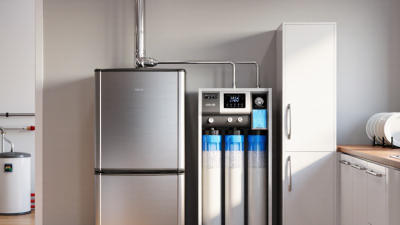
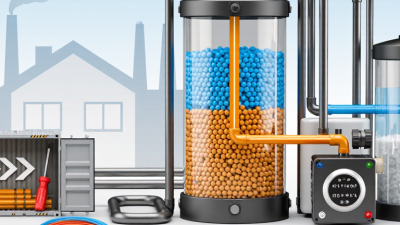
Ion-exchange systems replace calcium and magnesium with sodium or potassium ions. They are widely used where hard water leaves chalky rings on faucets or stiffens towels. Check the resin capacity and regeneration settings against household use. A unit that is too small may regenerate often. That means more salt and water use. Demand-initiated models regenerate after measuring actual water use, while timer-based units follow a schedule. Simple, but not always efficient.

Salt-free conditioners use different methods, such as template-assisted crystallization. They may reduce mineral scale on surfaces, but they do not remove hardness minerals in the same way as ion exchange. That distinction matters. Magnetic and electronic devices also make claims about scale control, yet results can vary with water chemistry and plumbing conditions. Ask for independent test data, not just a broad promise.

For larger households, a dual-tank system can provide softened water during regeneration, though it costs more and needs space. Before choosing, test water hardness and note iron levels; iron can affect system performance. I might still overlook a detail, like a narrow drain line, so confirm installation requirements with a qualified water-treatment professional.

Choosing the Right System Capacity for Daily Water Use

Choosing a water softener starts with two numbers: daily water use and hardness, measured in grains per gallon (gpg). The Water Research Foundation’s Residential End Uses of Water, Version 2 (2016) reported average indoor use of about 58.6 gallons per person daily across its study homes. Treat that as a benchmark, not a household rule. Showers, laundry, guests, and leaks can change your real demand. Measure, don’t guess.

Tip: Estimate softened-water demand, then multiply by hardness. For three people using roughly 60 gallons each per day at 12 gpg, the load is about 2,160 grains daily. A seven-day interval means around 15,120 grains between regenerations, before accounting for reserve capacity and the system’s rated efficiency at its salt setting. Check the water report or test a cold-water sample; iron can also affect sizing.

The estimate can still be wrong. Outdoor watering usually does not need softened water, while a teenager’s long shower may push indoor use higher than the average. Compare the estimate with your meter or utility bills, and ask a qualified water-treatment professional to confirm the hardness and capacity assumptions. A larger unit is not automatically better: a poorly matched system may regenerate inefficiently. Measure again after a busy week.

Assessing Efficiency, Maintenance, and Long-Term Costs

A water softener’s efficiency starts with an accurate hardness test, not a guess based on spots on the shower glass. The USGS Water Science School classifies water at 121–180 mg/L as hard and above 180 mg/L as very hard, measured as calcium carbonate. Test your tap water and note household size; a large unit can waste salt when demand is low. Well water may also need testing for iron, which can affect softener performance.

Compare salt efficiency and water use per regeneration, then check whether the system regenerates by measured demand or on a fixed schedule. Demand-based controls can avoid unnecessary cycles when water use changes. NSF/ANSI 44 provides performance and material-safety criteria for residential cation-exchange softeners; look for independently verified claims against that standard. Read the fine print. Capacity alone is not an efficiency rating.

Estimate long-term cost using your household’s actual salt purchases, regeneration-water use, filter or resin service, and local water prices. Ask the installer how many gallons each cycle uses and how often it should run under your measured hardness. I would not trust a single annual-cost estimate without those details. One missed variable can make a cheap purchase expensive. Keep a simple log of salt added and regeneration dates; it may reveal settings that need adjustment.

7 Tips for Choosing a Water Softener - Assessing Efficiency, Maintenance, and Long-Term Costs

Tip What to Assess Practical Check Maintenance Considerations Long-Term Cost Considerations
1. Test your water first Water hardness, usually reported in grains per gallon (gpg) or milligrams per liter (mg/L) as calcium carbonate, and any iron that may affect treatment. Use a reliable laboratory test or a suitable test kit. For reference, 1 gpg is approximately 17.1 mg/L as calcium carbonate. Retest if the water source changes or if softening performance noticeably changes. Correct test results help avoid buying a system that is unnecessarily large or too small for the water conditions.
2. Size for actual household demand Daily water use, the number of people in the home, measured hardness, and any iron the system must handle. Ask the installer to show the sizing calculation and explain the system's usable capacity between regeneration cycles. Household water meters can help estimate actual use. A properly sized system can maintain soft-water supply without regenerating more often than needed. Oversizing can increase purchase cost; undersizing can lead to frequent regeneration, greater salt and water use, or periods of hard water.
3. Compare regeneration controls Whether regeneration is controlled by a timer or initiated by measured water use (demand-initiated control). Check how the control responds to changing household use and whether it allows settings appropriate to your measured water hardness. Follow the manual for control checks and settings; confirm the clock and programming remain correct after power interruptions. Demand-based control can reduce unnecessary regeneration compared with a fixed schedule, though actual savings depend on household use and settings.
4. Compare salt and water efficiency Salt used per regeneration, water discharged during regeneration, and the stated capacity at the selected salt setting. Request the manufacturer's performance data for the exact operating settings being proposed. Compare systems using the same capacity and test conditions. Check salt level regularly and use the salt type recommended in the operating manual. Lower salt or water use may reduce ongoing expenses, but compare these savings with the purchase price and the system's expected service life.
5. Check installation and drainage needs Available space, plumbing connections, electrical access if required, and a suitable drain for regeneration discharge. Confirm the installation plan, drain routing, required air gap or other local plumbing provisions, and any applicable discharge rules before purchase. Keep the brine tank and surrounding area accessible for inspection and cleaning. Installation changes, drain work, or electrical work can add to the upfront cost; ask for these items to be listed separately.
6. Review routine care and service access Access to the brine tank, availability of replacement parts, service requirements, and clear maintenance instructions. Ask what routine checks are recommended, how to identify a salt bridge, and where to find troubleshooting and service information. Inspect the salt level and tank periodically. If a salt bridge is suspected, follow the manual rather than forcing or damaging components. Include any expected service visits, replacement parts, and the time needed for routine upkeep in your ownership-cost comparison.
7. Compare total ownership cost Purchase and installation price, salt, regeneration water, electricity if applicable, repairs, and warranty coverage. Ask for written warranty terms and clarify which parts, labor, and service calls are covered and for how long. Keep the manual and service records, and follow the stated maintenance schedule to support reliable operation. Compare estimated costs over the same time period and under the same household-use assumptions; the lowest purchase price may not mean the lowest total cost.

Checking Installation Requirements, Warranties, and Certifications

Before choosing a water softener, check where it can fit and what it needs to operate. Measure the floor space, including room to open the brine tank lid and replace parts. Confirm the unit can connect to your plumbing, drain, and a suitable electrical outlet if it needs power. A nearby drain matters. Ask whether a bypass valve is included and whether your water pressure falls within the system’s operating range. Hardness and daily water use also affect sizing, so use a recent water test rather than guesswork. Installation rules can vary by location; check local requirements and ask a qualified installer to assess the site.

Read the warranty itself, not just its headline. Look for coverage periods for the control valve, tank, and resin, plus exclusions for labor, improper installation, or missed maintenance. Ask who handles service and whether registration is required. Certifications deserve the same care. Check that the exact model is certified by a recognized independent body for the claims being made, such as material safety or performance. A certification mark alone does not prove every claim. Keep the documents, and verify them with the certifying organization when possible. A checklist helps, but it can still miss a detail; I would confirm the drain and warranty terms twice.

7 Tips for Choosing a Water Softener: Check Your Water Hardness First

Before comparing installation requirements, warranties, and certifications, test your water hardness. The bars show the starting point for each USGS category in milligrams per liter (mg/L) as calcium carbonate: soft begins at 0, moderately hard at 61, hard at 121, and very hard above 180. Your measured hardness, household water use, and iron levels can help determine the softener capacity you need.

Source: U.S. Geological Survey (USGS), water hardness categories.