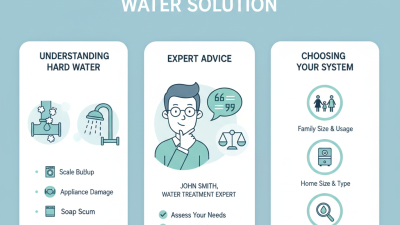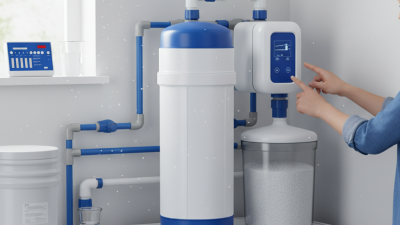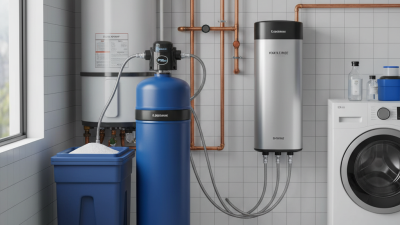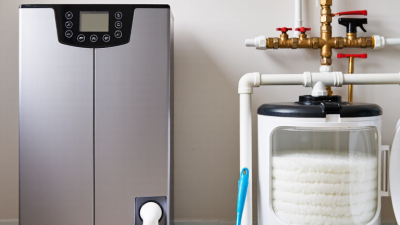
Calculating water softener cost is rarely as simple as reading a supplier’s price list. Global buyers must examine the complete purchasing picture, including equipment, resin, controls, freight, duties, installation, and future maintenance. A unit priced at $800 may require another $300 for shipping and local setup. Exchange rates can change the final figure before payment is completed.
This guide explains how to build a realistic estimate from verified supplier data. It considers household size, water hardness, flow rate, regeneration method, and expected salt consumption. These details affect both the initial purchase price and operating expenses. Buyers should request itemized quotations, technical specifications, warranty terms, and test reports. Certification requirements may also differ between destination markets.
Small details matter.
In practical sourcing, a spreadsheet often looks reliable until hidden charges appear. A freight quote may exclude port handling. An installation estimate may ignore drainage changes or electrical work. These gaps are easy to miss, especially when comparing several currencies. The calculation method here is designed to expose those assumptions before a purchase decision is made. It is not perfect, because regional taxes, shipping conditions, and water quality can change. Still, a transparent estimate is more useful than an attractive headline price. With careful verification, buyers can compare suppliers fairly, protect their budgets, and choose equipment that fits real operating conditions.
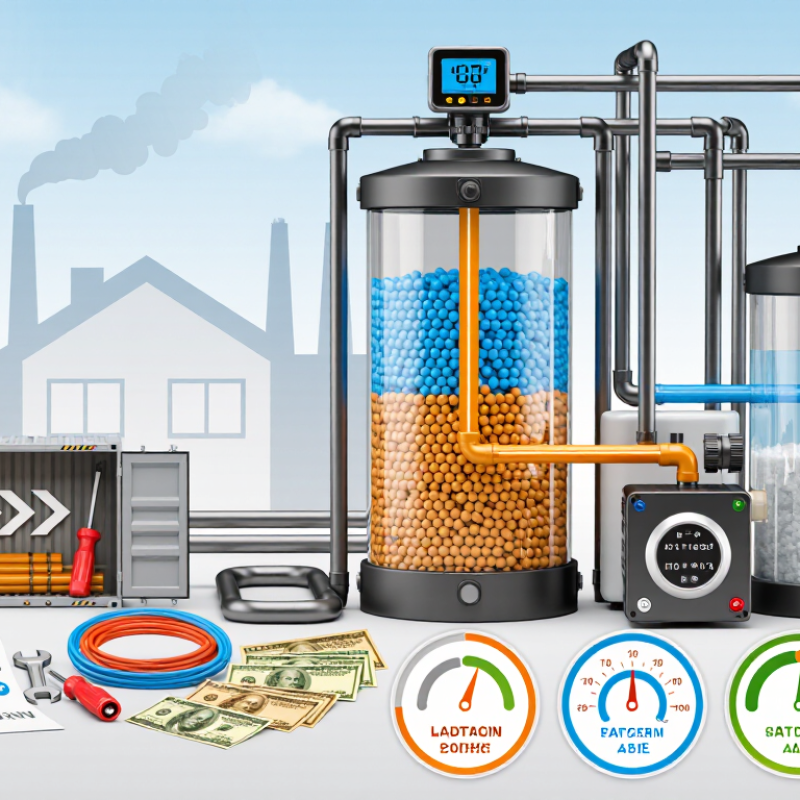
Water softener cost depends on more than the equipment price. Global buyers should examine water hardness, daily consumption, and peak flow before requesting quotations. A small household unit may cost less, but undersizing can cause hard water breakthrough and early resin replacement. Test results provide a stronger basis than assumptions.
Capacity is a major cost driver. Larger resin tanks, control valves, and brine systems increase the purchase price. Automatic regeneration usually costs more than manual operation. However, it can reduce labor and prevent missed maintenance. In one procurement review, freight costs changed significantly after the supplier calculated the actual packed volume. That detail is easy to overlook.
Installation adds another layer. Buyers should estimate pipes, drainage, electrical work, commissioning, and operator training. Shipping distance, import duties, insurance, currency changes, and local certification also affect the landed cost. Maintenance deserves careful attention. Resin, salt, replacement valves, and water testing create recurring expenses. A reliable comparison should use total cost over several years, not only the first invoice.
Supplier experience matters, but a confident sales statement is not technical evidence. Ask for flow data, regeneration settings, material specifications, warranty terms, and installation requirements. Some quotations appear cheap because essential accessories are excluded. I have seen buyers compare different configurations as if they were identical. That creates a misleading result. A written cost sheet can expose these gaps before payment and delivery.
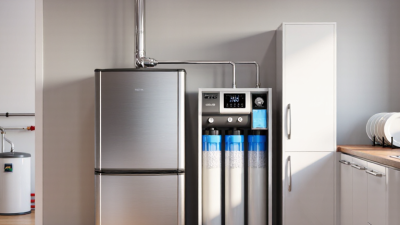
Calculating Water Softener Cost for Global Buyers
A realistic estimate starts with equipment sizing, not the purchase price alone. Measure water hardness, daily consumption, peak flow, and regeneration frequency. A household using 600 liters daily needs a different system from a hotel or factory. Request a laboratory water report when possible. Field test kits can help, but their results are not always precise.
Equipment cost may include the softener tank, control valve, resin, brine cabinet, bypass assembly, and filter stages. Add freight, insurance, taxes, currency conversion, and local storage charges. Installation expenses depend on pipe access, floor drainage, electrical supply, and labor rates. A difficult retrofit can cost more than expected. Include permits and backflow protection if local rules require them. Get a written quotation with each item separated.
Operating expenses deserve careful attention. Estimate salt use per regeneration, water discharged, electricity consumption, replacement filters, and annual servicing. A simple calculation is monthly cost equals salt, water, power, and maintenance expenses combined. Use actual local prices rather than online averages. Poor settings can increase salt and water consumption. That part is often overlooked. I would also keep a 10–15% contingency for exchange-rate changes, damaged fittings, or extra installation work. The estimate may still be imperfect. Water conditions can change seasonally, and incorrect hardness data can undermine the entire calculation.
| Buyer Region | Typical Capacity | Equipment Cost (USD) |
Freight & Import Allowance (USD) |
Installation Cost (USD) |
Initial Salt Supply (USD) |
Annual Salt Cost (USD) |
Annual Water Cost (USD) |
Annual Electricity Cost (USD) |
Annual Maintenance (USD) |
Estimated First-Year Total (USD) |
|---|---|---|---|---|---|---|---|---|---|---|
| North America | 32,000 grains | $1,100 | $180 | $850 | $180 | $180 | $35 | $15 | $100 | $2,460 |
| Europe | 32,000 grains | $1,100 | $220 | $950 | $190 | $190 | $40 | $20 | $110 | $2,630 |
| Gulf Cooperation Council | 48,000 grains | $1,800 | $300 | $700 | $240 | $240 | $55 | $25 | $130 | $3,250 |
| South Asia | 32,000 grains | $900 | $180 | $450 | $140 | $140 | $25 | $10 | $70 | $1,775 |
| Southeast Asia | 48,000 grains | $1,600 | $250 | $500 | $190 | $190 | $30 | $15 | $90 | $2,675 |
| Latin America | 32,000 grains | $950 | $250 | $650 | $160 | $160 | $30 | $15 | $80 | $2,135 |
| Sub-Saharan Africa | 48,000 grains | $1,700 | $350 | $800 | $220 | $220 | $35 | $20 | $120 | $3,245 |
| Australia and New Zealand | 48,000 grains | $1,900 | $300 | $1,000 | $230 | $230 | $45 | $20 | $140 | $3,635 |
| Calculation basis: Estimated first-year total = equipment cost + freight and import allowance + installation cost + initial salt supply + annual operating expenses. Figures are planning estimates in USD for residential or light-commercial systems. Equipment cost generally includes the control valve, mineral tank, brine tank, resin media, and standard connection components. Annual operating costs assume approximately 8–12 regeneration cycles per month, depending on water hardness and household or facility consumption. Actual costs vary according to local labor rates, plumbing modifications, taxes, water prices, electricity tariffs, salt type, shipping terms, and import duties. | ||||||||||
Water softener cost depends heavily on system type and capacity, not only the equipment price. The U.S. Geological Survey classifies water above 180 mg/L as very hard, measured as calcium carbonate. Harder water requires more exchange capacity and more frequent regeneration. A 32,000-grain ion-exchange unit may suit a small household, while larger homes often need 48,000 to 64,000 grains. Typical equipment prices range from about USD 500 to USD 1,500 before installation, depending on controls, resin volume, and certification.
Capacity changes operating cost. For example, a four-person household using 250 gallons daily may need roughly 1,000 gallons of treated water. If hardness reaches 20 grains per gallon, demand approaches 20,000 grains daily. Actual sizing should include reserve capacity and peak flow. The Water Quality Association recommends considering household demand, water hardness, and regeneration efficiency together.
That sounds simple. It is not always simple.
Salt-based systems usually cost less initially, but buyers must budget for salt, wastewater, maintenance, and electricity. Salt-free conditioning systems can cost USD 800 to USD 2,000, yet they do not remove hardness minerals. Commercial systems may exceed USD 2,000 and require higher flow rates, stronger valves, and professional installation. NSF/ANSI 44 remains a useful reference for residential exchange softeners. However, published prices can exclude freight, import duties, taxes, and local plumbing work. That estimate is useful, but imperfect. Global buyers should compare total landed cost, not the catalog price alone.
A water softener’s purchase price is only the beginning. Global buyers should estimate maintenance and replacement costs over five to ten years. Start with salt consumption, water use, electricity, cleaning supplies, and local service fees. Multiply each monthly cost by twelve, then add annual inspection expenses. Small costs become visible.
Replacement timing depends on water hardness, household demand, and equipment quality. Resin or filter media may require replacement after several years, while control valves and sensors can fail earlier. In humid coastal areas, corrosion may increase repair needs. International freight, import charges, and unavailable spare parts can also change the final budget. Ask suppliers for a parts list and expected service life. Do not trust a perfect lifespan promise.
Tips: Keep a simple maintenance log. Record salt usage, regeneration frequency, leaks, and unusual noise. Test water hardness every few months, especially after installation. Compare local technician rates before buying. A cheaper unit may cost more if service is difficult. This is easy to overlook.
Use a realistic contingency allowance, such as ten to fifteen percent of projected maintenance costs. It is not exact. Household habits and water conditions can shift the estimate. For a clearer calculation, request written data on media volume, replacement intervals, energy use, warranty coverage, and recommended servicing. Then compare total ownership costs, not only the initial quotation.
Global buyers should calculate water softener cost beyond the factory quotation. A practical budget includes equipment, export packing, inland transport, ocean freight, insurance, customs duty, VAT or GST, local delivery, and installation. UNCTAD’s Review of Maritime Transport reports that ships carry over 80% of global trade by volume. Ocean freight may reduce the unit cost, but destination handling charges can still surprise buyers.
Use the product’s correct HS code before estimating taxes. The WTO World Tariff Profiles shows that tariff rates vary significantly across economies and product categories. OECD Consumption Tax Trends 2024 reports an average standard VAT rate of about 19% across OECD countries. This tax alone can change the landed price considerably.
Local prices may also include distributor margins, plumbing work, replacement media, and certification expenses. A first worksheet is rarely accurate.
Tips: Request a landed-cost quotation with delivery terms clearly stated. Compare at least two freight routes. Ask whether port fees, customs brokerage, and residential delivery are included. Keep a 10–15% contingency for exchange-rate movement and unexpected charges. That allowance is not excessive. World Bank logistics data also shows noticeable performance gaps between countries, so delivery timing and handling quality deserve a separate budget. Check local service rates before choosing a low purchase price.