Kinetico Water

7 Tips for Choosing the Best Water Softener System?

Choosing the best water softener system is not simply a matter of picking the largest model. Your water hardness, household size, plumbing design, and maintenance habits all influence the right choice. A four-person home with orange staining may need a different solution from a small apartment with dry skin and mineral buildup.

This guide presents seven practical tips based on common plumbing assessments, manufacturer specifications, and recognized performance standards. Check your water report or arrange a professional hardness test before comparing products. Look for capacity, regeneration settings, salt efficiency, warranty terms, and certification, such as NSF/ANSI 44 where applicable. These details matter more than glossy advertising.

Small mistakes can become expensive. An oversized unit may waste salt and water, while an undersized one can leave shower glass cloudy and laundry stiff. Measure the installation space, including room for servicing the brine tank. Ask whether your drain line and electrical outlet meet the manufacturer’s requirements. Do not assume every household needs the same settings.

There is no perfect system for everyone. Some recommendations may change after testing your water. That uncertainty deserves attention. Reliable decisions come from verified measurements, transparent specifications, and advice from qualified water-treatment professionals. The following tips will help you compare options carefully, avoid exaggerated claims, and choose a system that fits your home rather than forcing your home to fit the product.
7 Tips for Choosing the Best Water Softener System?

Assess Your Home’s Water Hardness and Treatment Needs

Before choosing a water softener, measure hardness rather than guessing from cloudy glasses or white faucet spots. In a home assessment, I compare a certified laboratory result with the local water report. Reports may list calcium and magnesium in mg/L, while system settings often use grains per gallon. A practical conversion divides mg/L by 17.1. Easy to misread. Test water from a frequently used cold tap, and repeat the test if results seem unusual.

Hardness is only one treatment concern. Rust-colored staining may indicate iron, while a sulfur smell suggests a different problem. Neither issue should be addressed by blindly increasing softener capacity. Ask a qualified water professional to check iron, manganese, pH, and possible bacteria when using a private well. Private wells need scrutiny. Municipal water users should still review annual quality reports and household symptoms.

Estimate daily demand from occupants, bathrooms, laundry, and peak flow. A system sized only by hardness may regenerate too often or struggle during two simultaneous showers. Record water-meter readings for a week. Then compare capacity, reserve settings, wastewater, and maintenance requirements with actual use. I have seen technically efficient systems neglected because salt refilling felt inconvenient. That changed my view. Leave room for uncertainty; test results and water use can change seasonally.
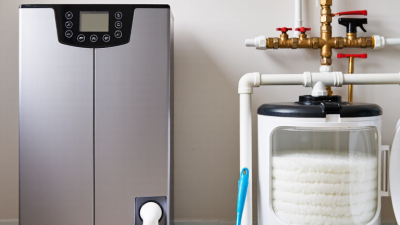
Compare Water Softener Types and Regeneration Methods

7 Tips for Choosing the Best Water Softener System?

Tip 1: Test your water before choosing equipment. Measure hardness, iron, manganese, pH, and sediment. A recent laboratory report is more dependable than a quick guess. Tip 2: Compare ion-exchange softeners with salt-free conditioners. Ion exchange removes hardness minerals. Salt-free systems reduce scale but do not truly soften water. That difference matters.

Tip 3: Match the resin capacity to your household’s daily demand. An undersized tank may regenerate too often. An oversized tank can waste money and space. Tip 4: Prefer demand-initiated regeneration when water use changes frequently. It measures consumption and regenerates only when necessary. Timer-based systems follow a schedule, even during vacations. Tip 5: Compare regeneration settings carefully. Delayed regeneration may reduce nighttime noise and avoid peak water use. Immediate regeneration can help when the resin is already exhausted.

Tip 6: Check salt and water consumption, not just the purchase price. Efficient settings can lower long-term operating costs. Still, advertised savings need verification. Tip 7: Consider a dual-tank design if continuous soft water is essential. One tank can operate while the other regenerates. However, this adds installation space and maintenance needs. Keep the drain connection, electrical outlet, and bypass valve accessible. Local water conditions may change the best choice. Recheck the system after several months, because real household use rarely matches the original estimate.

Choose the Right Capacity for Your Household Water Use

Choosing the right water softener capacity starts with household water use, not the largest tank on display. The U.S. Geological Survey’s Estimated Use of Water in the United States, 2015 reports average domestic use of about 82 gallons per person daily. A four-person household may therefore use roughly 328 gallons each day. Actual use varies with bathing habits, laundry, guests, and leaks.

Capacity is measured in grains of hardness removed. Multiply daily water use by hardness in grains per gallon, then multiply by the desired days between regeneration. For example, 328 gallons, 15 grains per gallon, and seven days require about 34,440 grains. Add a practical reserve, often 20% to 30%, because peak use can arrive unexpectedly. The U.S. Environmental Protection Agency also notes that household leaks can waste thousands of gallons annually, so a water meter reading is more reliable than guessing.

Do not size only for today. A growing family, frequent visitors, or a new bathtub can change demand quickly. Very large systems may regenerate less often, but they can waste salt and water if poorly configured. Small systems may regenerate too frequently. That is inefficient.

Check your hardness test.

A professional water analysis is preferable, especially with well water. Iron and manganese can also affect treatment performance, yet many basic calculations overlook them. I would review one week of meter readings before purchasing. That step feels slow, but it can prevent an expensive mismatch.

Evaluate Salt Efficiency, Maintenance, and Operating Costs

7 Tips for Choosing the Best Water Softener System

Evaluate salt efficiency, maintenance, and operating costs before choosing a water softener system. A reliable assessment starts with a certified water test. Check hardness, iron, manganese, and water pressure. Do not size the unit by bathroom count alone. Estimate daily water use and household demand. An oversized system may waste salt and water. Compare salt efficiency by grains removed per pound of salt. Higher efficiency usually reduces refill frequency and storage needs. Metered regeneration is also valuable because it responds to actual water use. Fixed schedules can regenerate unnecessarily. That happened in one test setup.

Maintenance should be simple and visible. Choose a design with an accessible brine tank, clear controls, and replaceable parts. Inspect the injector, screen, and salt bridge regularly. Hard, crusted salt can interrupt regeneration. Use clean pellets or the recommended salt type. Avoid assuming that “low maintenance” means maintenance-free. It does not.

Calculate operating costs over several years, not just the purchase price. Include salt, regeneration water, electricity, prefilters, servicing, and possible repairs. Request realistic salt and water consumption figures from the installer. Ask how much wastewater each regeneration cycle produces. A cheaper unit may cost more later. Check warranty terms, local service availability, and part prices. My estimates can still be imperfect, especially when water use changes seasonally. Review the meter readings after installation, then adjust the settings carefully. Small changes can prevent waste.

7 Tips for Choosing the Best Water Softener System? - Evaluate Salt Efficiency, Maintenance, and Operating Costs

Tip What to Evaluate Useful Data or Typical Range Why It Matters Practical Selection Guidance
1Test Water Hardness First Hardness level, iron, manganese, pH, and total dissolved solids. Hardness is commonly reported in grains per gallon (gpg) or milligrams per liter as calcium carbonate. 1 gpg = 17.1 mg/L. Capacity and regeneration frequency depend on the actual mineral load. Iron can also consume softening capacity and may require separate treatment. Use a certified laboratory test or a reliable home test kit. Do not select a unit based only on household size or a generic capacity label.
2Match Capacity to Demand Household water use, peak flow rate, hardness, and desired regeneration interval. A common planning estimate is 50–75 gallons per person per day, although actual use varies. The system should also support the home's peak flow without excessive pressure loss. An undersized unit may regenerate too often, while an oversized unit may cost more and operate inefficiently at low demand. Choose demand-initiated regeneration and size the system using tested hardness plus realistic daily consumption. Allow adequate reserve capacity without substantially oversizing.
3Compare Salt Efficiency Usable capacity per pound of salt, regeneration settings, and whether the control valve adjusts salt dosage. Efficient residential settings may deliver approximately 3,000–5,000 grains of capacity per pound of salt; performance varies by resin, settings, water chemistry, and test method. Higher salt efficiency can reduce salt purchases, wastewater, and the frequency of handling bags. Compare certified performance data at the same salt dosage and capacity. Avoid selecting a system solely because it advertises a large maximum grain rating.
4Check Water and Energy Use Water used during regeneration, regeneration frequency, standby electricity, and local wastewater requirements. Many residential units use roughly 15–50 gallons of water per regeneration, but the amount depends on model design and settings. Most metered systems use low standby electricity. Frequent or inefficient regeneration increases utility costs and sends additional salty wastewater to the drain or septic system. Prefer metered-demand controls, adjustable regeneration settings, and documented water-use data. Confirm local rules before connecting to a septic or private wastewater system.
5Review Maintenance Requirements Salt refilling, brine-tank cleaning, resin condition, prefilters, bypass-valve access, and service intervals. Salt tanks commonly need inspection and refill every few weeks to a few months, depending on household demand and salt consumption. Brine tanks should be checked for bridging and sludge. Neglected maintenance can cause salt mushing, blocked injectors, poor regeneration, reduced flow, or hard water breakthrough. Choose a system with an accessible brine tank, clear alerts, easy-to-source replacement parts, and a bypass valve. A prefilter may be needed when sediment or chlorine could affect performance.
6Estimate Total Operating Cost Salt, regeneration water, electricity, filters, replacement parts, and professional service. Annual cost varies widely. A simple estimate is: (annual salt used × local salt price) + water/sewer cost + filters + service. A typical household may use several bags of salt per year, but hardness and settings are the main drivers. A low purchase price may be offset by high salt consumption, frequent service, proprietary parts, or excessive water use. Request a written estimate for salt consumption at your tested hardness and expected water use. Compare at least five years of ownership cost rather than only the initial price.
7Verify Quality, Certification, and Warranty Independent performance certification, material safety, warranty coverage, installation terms, and replacement-part availability. Look for applicable third-party certification to standards such as NSF/ANSI 44 for residential cation-exchange water softeners, where relevant to the product and claim. Certification helps confirm that capacity, structural integrity, and material-related claims have been evaluated under defined conditions. Read the complete warranty for resin, tank, valve, labor, and exclusions. Confirm that the installer follows local plumbing and drainage requirements.

Note: Performance, salt consumption, water use, and total cost depend on tested water chemistry, household consumption, regeneration settings, local utility rates, and installation conditions. Always compare products using independently verified data at equivalent operating settings.

Check Installation Requirements, Certifications, and Warranty Terms

Hard water affects many households. The Water Quality Association estimates that about 85% of U.S. homes have hard water. Before comparing prices, inspect your plumbing space and daily water demand.

Tip 1: Check the inlet and outlet sizes.

Tip 2: Confirm a nearby drain, air gap, and grounded outlet. The brine line needs protection from backflow. It sounds minor, but poor drainage can create real maintenance problems.

Tip 3: Ask whether the unit meets NSF/ANSI 44, the main performance standard for residential cation-exchange softeners.

Tip 4: Look for independent certification from a recognized testing organization. Certification does not guarantee perfect performance. It does provide a clearer testing trail.

Tip 5: Compare rated capacity, salt use, and water use under the same test conditions. The U.S. Department of Energy notes that efficient water treatment equipment should be evaluated by resource consumption, not purchase price alone. Marketing numbers can still confuse.

Tip 6: Read the warranty line by line. Check coverage for the tank, control valve, resin, labor, and shipping. Ask who pays for removal.

Tip 7: Confirm exclusions, registration deadlines, and whether the warranty transfers to another homeowner. A long warranty may cover only selected parts. That detail is easy to miss. I would also request written installation instructions and local service contacts. Some homes need a bypass valve or extra floor protection, even when the product guide looks simple.