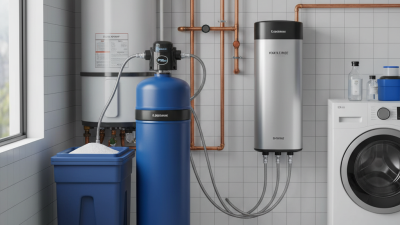
A water softener quietly protects your plumbing, appliances, and daily routines. It reduces hard-water minerals that can leave white marks on faucets, stiff laundry, and cloudy glassware. Yet many homeowners only check the system when the water feels different. That delay can increase salt use, reduce efficiency, and create avoidable service problems. Consistent water softener maintenance helps the unit perform more reliably throughout the year.
A practical routine begins with a quick visual inspection. Check the brine tank for a hard salt crust, standing water, or unusual odors. Look around the valves and connections for moisture or mineral buildup. Clean the brine tank according to the manufacturer’s instructions, rather than relying on guesswork. Use the recommended salt type and keep the salt level suitable for your household’s water demand. Too much salt is not always better. It may hide a maintenance issue.
Keep records.
Write down refill dates, regeneration settings, and noticeable changes in water quality. These small notes can help identify patterns before a larger problem develops. Some systems require periodic cleaning, resin treatment, or professional testing. A qualified technician can inspect components that are difficult to evaluate safely at home. I have found that simple checks are often skipped, especially after installation. That assumption deserves reconsideration. Every softener has different settings, water conditions, and service needs. This guide explains practical care steps while encouraging you to follow the equipment manual and seek professional advice when performance remains inconsistent.
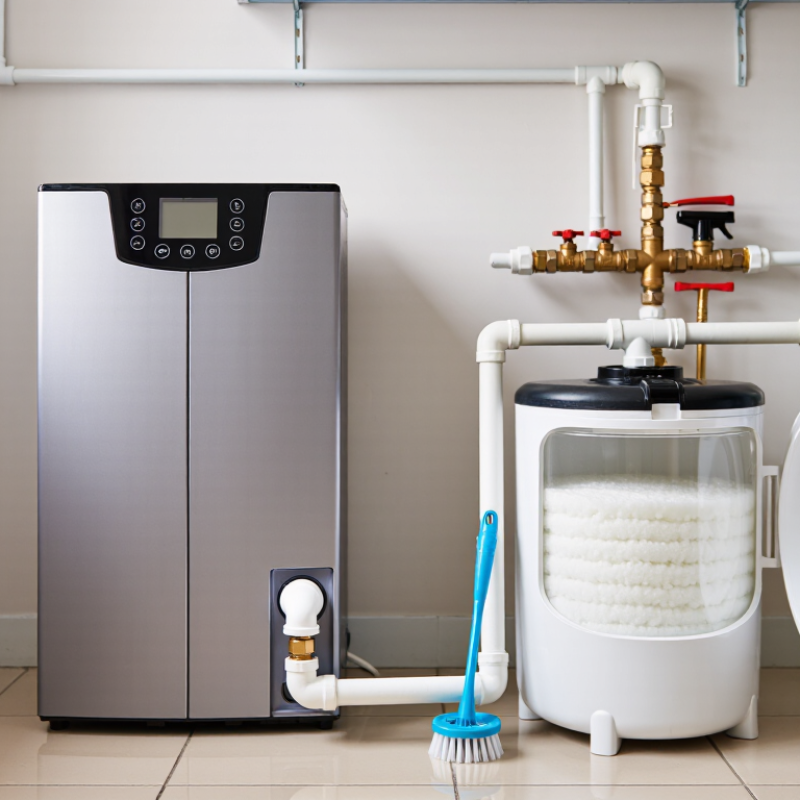
Understanding how a water softener works makes maintenance more sensible. Most household units use ion exchange. Resin beads attract calcium and magnesium, then release sodium or potassium ions. These minerals cause scale on shower glass, faucets, and heating elements.
The World Health Organization states that hardness has no health-based guideline value in drinking water, but it can affect taste, cleaning, and plumbing performance.
The Water Quality Association classifies water above 120 milligrams per liter as calcium carbonate as hard. Above 180 milligrams, it is very hard.
A hardness test helps set the control valve correctly. An incorrect setting wastes salt or allows scale to return.
Check the brine tank monthly. Salt should remain loose, not form a solid bridge above the water. Break bridges carefully with a clean handle. Do not use sharp tools.
Regeneration rinses the resin with brine, removing trapped minerals through the drain.
The U.S. Geological Survey explains that water chemistry varies widely by location, so one schedule cannot fit every home.
Measure hardness after regeneration and inspect for leaks around the bypass valve. The resin tank usually needs little attention, while the brine tank needs practical care.
Still, I would not trust appearance alone. A clear tank can hide poor settings, and a recent test may miss seasonal changes. When water stays cloudy or salty, stop guessing and request a qualified service check.
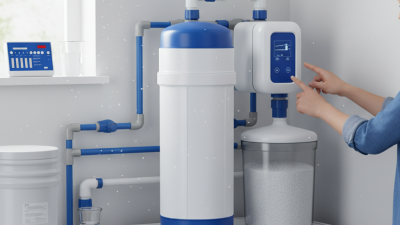
Check your softener’s salt level about once a month. Open the brine tank and look for a solid salt layer. Keep the tank at least one-third full, but avoid filling it completely. Too much salt can encourage bridging and make level checks difficult. Use salt made specifically for water softeners, such as evaporated or solar salt. Table salt and driveway de-icing salt may contain unsuitable additives. They can reduce performance or leave extra residue.
Tips:
Tap the salt gently with a clean broom handle. If the surface sounds hollow, a salt bridge may be hiding underneath. Break it carefully without damaging the tank. I once assumed a full tank meant enough usable salt. It did not. The water became hard because the salt had hardened above an empty space. That mistake taught me to check below the surface, not only the visible level.
Add salt before the tank becomes nearly empty. Pour it slowly, and keep dust away from the brine valve area. Follow the equipment manual for regeneration settings and salt limits. If soft water does not return after regeneration, check for a bridge, clogged salt, or an incorrect setting. Persistent problems deserve inspection by a qualified water-treatment technician. Record the date and salt type. Small notes can reveal wasteful patterns.
A water softener works only as well as its brine tank. The tank dissolves salt into brine, which regenerates the resin bed. However, salt can harden into a bridge above the waterline. The tank then appears full, but regeneration receives too little brine.
USGS data classifies water above 180 milligrams per liter as calcium carbonate as very hard. Such water can increase regeneration demand and salt buildup. Check the tank monthly, especially when white crust forms near the walls. Tap the salt surface gently with a broom handle. If it sounds hollow, a bridge may be present. Do not use a knife or metal rod. Damage can reach the tank or internal components.
I once mistook wet salt mush for a bridge. It needed removal, not force. Put the system into bypass mode, then scoop out loose salt and sludge. Use warm water and a plastic brush to clean the tank walls. Never mix household chemicals inside the tank.
Inspect the brine float and injector for blockage, following the service manual. The Water Quality Association’s technical guidance emphasizes controlled brine preparation and proper regeneration settings, rather than simply adding more salt. Refill with the recommended salt level, leaving space below the lid. Excess salt is not better.
Record the cleaning date and salt condition. If bridging returns quickly, test the water hardness and check for moisture entering the tank. The U.S. Environmental Protection Agency recommends demand-initiated regeneration, which prevents unnecessary cycles and reduces wasted salt and water. A professional should inspect persistent problems.
How to Maintain a Water Softener?
Inspect the resin tank every few months for cracks, bulges, or damp areas near its base. A dry tank should feel stable and show no white mineral trails. I usually wipe the surface first, because dust can hide a slow leak. Check the control valve for salt buildup, unusual noise, or a display that resets unexpectedly. Never loosen the valve while the system is pressurized. Turn off the water supply and release pressure according to the service instructions.
Examine every connection, including the inlet, outlet, drain line, and brine tubing. Flexible hoses should not twist, sag, or rub against sharp edges. A small drip can become serious after repeated regeneration cycles. Inspect the drain line for blockage and confirm that it remains securely fastened. I once overlooked a loose fitting because the floor was already damp. That was a poor assumption. Moisture should always be traced, not ignored.
Tips: Keep a flashlight nearby. Photograph the valve settings before adjustments. Tighten fittings gently; excessive force can damage threads or seals. If the tank leans, the valve leaks continuously, or the connection remains wet after tightening, contact a qualified water-treatment technician. Availability of parts and local plumbing requirements may vary, so check the equipment manual before replacing components.
Typical inspection intervals for the resin tank, valves, connections, and related components in a residential water softener.
These intervals are general residential maintenance guidelines. Check the equipment manual and inspect sooner if you notice leaks, reduced water pressure, salt bridging, or changes in water quality.
Testing water quality should guide every water softener maintenance plan. I check untreated and softened water with a hardness test kit. The difference reveals whether the unit is removing minerals effectively. A simple test is not perfect.
For unusual taste, staining, or cloudy water, I also test iron, pH, and total dissolved solids. These issues may not come from hardness alone. A certified laboratory can confirm results when household tests seem inconsistent. Keep a dated record of each reading. Patterns matter more than one result.
Check the salt level every month. Look for a hard crust, called a salt bridge, above the water. Gently break it with a clean handle, and never use sharp tools. Inspect the brine tank for sediment or unusual odor. Every three months, test softened water again and review the regeneration settings against household water use. An annual inspection should include the valve, resin performance, drain line, and plumbing connections.
I once assumed extra salt would improve softening. It only increased waste. That mistake changed how I schedule checks. If hardness remains high, avoid random adjustments. Confirm the test first, then consult the installation guide or a qualified water professional. Record repairs, cleaning dates, and test results near the unit. Small records prevent missed maintenance.
| Maintenance Item | Recommended Frequency | What to Check or Measure | Typical Reference or Target | Recommended Action |
|---|---|---|---|---|
| Test untreated water hardness | Before installation and at least annually | Hardness concentration in the incoming water | Record results in grains per gallon (gpg) or mg/L as calcium carbonate; 1 gpg is approximately 17.1 mg/L | Adjust the softener setting only after confirming the current test result and the unit’s capacity |
| Test softened water hardness | Monthly and whenever water quality changes | Hardness after treatment, preferably from a cold-water tap | Near-zero hardness is commonly expected for a properly operating ion-exchange softener; follow the equipment specification | If hardness rises, check salt level, regeneration settings, bypass position, brine flow, and resin or valve condition |
| Inspect salt level | Every 2–4 weeks | Amount of salt, salt bridging, and excessive water in the brine tank | Keep salt available for the next regeneration cycle without filling the tank to the top | Add compatible water-softener salt when needed; do not break a salt bridge with sharp tools |
| Check salt quality | At every refill | Moisture, clumping, crusting, and visible debris | Clean, dry salt intended for water softeners | Remove excessive buildup and keep the brine tank lid closed to reduce moisture entry |
| Verify regeneration settings | Every 3–6 months and after a water-use change | Water hardness setting, household size, capacity, and regeneration schedule | Settings should reflect tested hardness and actual household water consumption | Avoid unnecessary over-regeneration; consult the unit documentation before changing capacity or salt-dose settings |
| Inspect the brine tank and float assembly | Every 6 months | Sediment, salt mush, restricted movement, leaks, and damaged tubing | Float should move freely and the tank should remain structurally sound and leak-free | Clean only according to the manufacturer’s instructions and replace damaged components |
| Clean the brine tank | About once per year or when buildup is present | Salt residue, sediment, and hardened deposits at the bottom of the tank | Tank interior should be free of excessive sludge and debris | Follow the equipment instructions, isolate the unit when required, and ensure the tank is fully rinsed before refilling |
| Inspect the drain line and brine line | Every 6 months | Kinks, blockages, loose connections, leaks, and secure air gaps where required | Lines should be unobstructed, leak-free, and installed according to local plumbing requirements | Correct restrictions promptly; do not connect a drain line in a way that could allow backflow or contamination |
| Inspect for iron or manganese | Annually or when staining or metallic taste occurs | Iron and manganese in the incoming water | Use the softener’s rated limits; higher concentrations may require pretreatment | Obtain a water analysis and use an appropriate treatment method rather than increasing salt dosage without verification |
| Check treated water for excessive sodium | When medically relevant or when dietary sodium is restricted | Sodium added during ion exchange | There is no universal household target; people on sodium-restricted diets should seek professional guidance | Consider an unsoftened drinking-water tap or an alternative treatment selected with qualified advice |
| Review water-use and performance records | Monthly | Salt consumption, regeneration frequency, test results, leaks, and changes in water pressure or taste | Performance should remain reasonably consistent for similar water-use patterns | Investigate sudden changes instead of continuously increasing salt or regeneration frequency |
| Professional inspection or servicing | Every 1–2 years, or sooner if problems occur | Control valve, seals, resin performance, water connections, and regeneration operation | No persistent hardness breakthrough, abnormal noise, brine overflow, or visible leakage | Use a qualified water-treatment professional for diagnosis, repairs, resin replacement, or valve servicing |
Note: Testing methods, settings, salt requirements, and service intervals vary by water chemistry and equipment design. Always follow the unit’s installation and maintenance instructions and applicable local plumbing requirements.