How to Choose the Best Water Softener for Your Needs?
Choosing the best water softener begins with your water, not a flashy product label. A family in Phoenix may face severe hardness, while a rural home may also battle iron, manganese, or sediment. Your hands may feel the difference after one shower. White scale may appear around a kettle within days.
Water-treatment expert Dr. Joseph Cotruvo has emphasized, “No single treatment method fits every water problem.” That principle matters here. The best water softener for your needs depends on a laboratory water test, daily water use, household size, plumbing space, and maintenance preferences. A compact cabinet model may suit a small apartment. A metered, demand-initiated system may better serve a busy family. Salt-based systems remove hardness minerals. Salt-free conditioners usually change scale behavior instead of removing calcium and magnesium.
Look for independently verified performance, clear regeneration settings, durable control valves, and accessible replacement parts. Certification from recognized organizations can support a more reliable decision, but certification does not replace a water test. Check salt efficiency, wastewater use, warranty terms, and installation requirements. These details are easy to overlook.
The cheapest option may cost more later.
I have also found that “maintenance-free” claims deserve careful questioning. Every system needs attention, even if it uses little salt. Some recommendations may sound authoritative but ignore local water conditions. That is where buyers should pause, compare evidence, and accept uncertainty. This guide will help you weigh practical performance, running costs, household comfort, and long-term reliability before choosing the best water softener.
Understanding How Water Softeners Work
How to Choose the Best Water Softener for Your Needs?
Understanding How Water Softeners Work
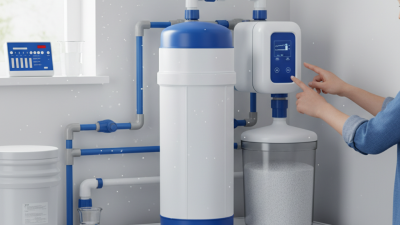
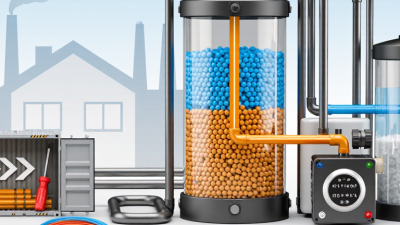
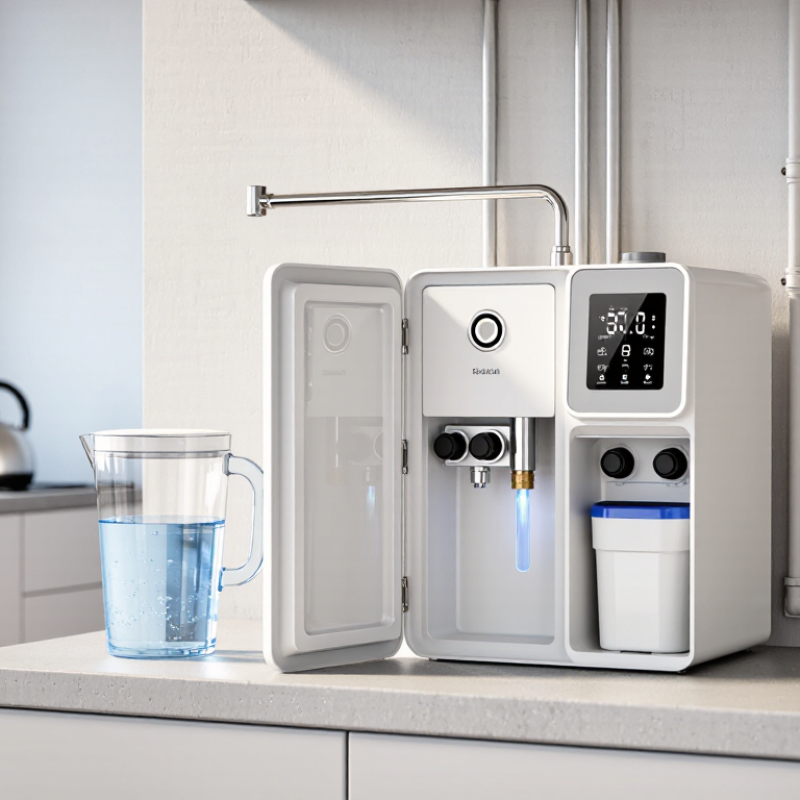
A water softener reduces hardness through ion exchange. Hard water flows through resin beads inside a tank. These beads attract calcium and magnesium, then release sodium or potassium ions. The treated water feels smoother and leaves fewer white marks on taps, shower glass, and dishes. A softener is not a magic filter. It does not remove every contaminant.
When the resin becomes saturated, the unit begins regeneration. A salt solution rinses the beads and carries the collected minerals into a drain. This cycle uses water, salt, and electricity, so household size matters. Check your water hardness with a certified laboratory or a reliable test kit. Then compare the unit’s grain capacity with daily water use. Flow rate also matters, especially when several showers or appliances run together. An oversized model may waste resources. An undersized one may regenerate too often.
Tips: Test before buying. Ask for the resin volume, regeneration settings, and salt efficiency. Inspect the drain connection carefully. Keep salt dry and above the minimum line. If iron or manganese is present, request professional water analysis. The first estimate can be wrong. Recheck it after a month. Salt-based treatment may also change sodium levels, so people with dietary concerns should ask a qualified health professional about suitable options.
Assessing Your Water Hardness and Household Needs
How to Choose the Best Water Softener for Your Needs?
Assessing Your Water Hardness and Household Needs
A reliable choice begins with a water hardness test. Use a certified laboratory or a properly calibrated home test kit. Your local water report may help, but private wells need separate testing. Hardness is commonly measured in grains per gallon or milligrams per liter as calcium carbonate.
Check for iron, manganese, acidity, and unusual odors. These conditions can affect treatment performance. A glass of water may look clear and still contain troublesome minerals. Do not rely only on soap feel or cloudy fixtures.
Count the people in your home and estimate daily water use. Include showers, laundry, cooking, and guests. A household of four usually needs more capacity than a two-person home. Your peak flow rate matters too. Several showers running together can expose an undersized system.
Size the unit by hardness, household demand, and regeneration frequency. A professional installer should calculate reserve capacity and confirm local plumbing requirements. Ask how much salt and water each regeneration cycle uses. Lower operating use can matter more than a small purchase-price difference.
My first estimate was once too optimistic. I overlooked weekend guests and iron in well water. That mistake showed me why real usage records matter. Keep a one-week water log before choosing equipment. Small details often change the calculation.
How to Choose the Best Water Softener for Your Needs
Estimated weekly softening capacity is based on water hardness, household size, 82 gallons of indoor water use per person per day, and the conversion of 1 mg/L as CaCO₃ to 0.0584 grains per gallon.
Water hardness classification: soft is 0–60 mg/L, moderately hard is 61–120 mg/L, hard is 121–180 mg/L, and very hard is above 180 mg/L as calcium carbonate. The chart uses representative hardness values from each range. Choose a softener with a practical working capacity above your estimated weekly demand and allow extra capacity for peak usage.
Comparing Water Softener Types and Key Features
Water hardness is not a minor detail.
The U.S. Geological Survey estimates that about 85% of U.S. homes receive hard water, although local levels vary widely. Hard water can leave white scale on faucets, shower glass, and heating elements. Test your supply before shopping. A laboratory report is more reliable than a quick strip.
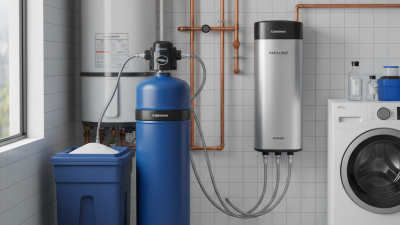
Salt-based ion-exchange softeners remove calcium and magnesium through resin beads. They usually provide the strongest softening, but require salt, water for regeneration, and a suitable drain. Dual-tank models can supply softened water during regeneration. Capacity matters. Choose grain capacity from measured hardness and household demand, not household size alone. Look for demand-initiated regeneration, adjustable salt settings, a bypass valve, and a clear service indicator.
Salt-free conditioners
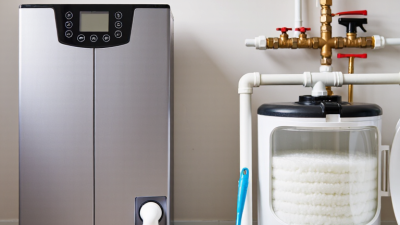
use media or templates that may reduce scale formation without removing hardness minerals. They need less maintenance, but results depend on water chemistry and appliance design. Some homes may still notice spots. Check certification to NSF/ANSI 44 for residential cation-exchange softeners, and review independent efficiency data. The World Health Organization states that hardness has no health-based guideline value, so removal is mainly a comfort and equipment decision.
Claims can sound impressive. I would still compare measured performance, wastewater requirements, and five-year operating costs before trusting a brochure.