Kinetico Water

7 Water Softener Maintenance Tips for Long Life

A water softener works quietly, often hiding problems until hard-water stains return. White scale may reappear on faucets, shower doors, and kettle walls. Small signs matter. Regular water softener maintenance helps protect resin performance, reduce salt waste, and extend equipment life.

Plumbing and water-treatment expert Richard Trethewey offers a practical reminder: “An ounce of prevention is worth a pound of cure.” That principle fits softeners perfectly. A neglected brine tank can develop a salt bridge, while a clogged injector may leave the system unable to regenerate correctly. Checking salt levels, inspecting the brine float, and testing water hardness can reveal trouble before it becomes expensive. Look closely at the drain line, too. A loose connection or slow discharge can affect regeneration and create a wet patch near the unit.

This guide presents seven realistic maintenance habits for longer service. It covers cleaning the brine tank, breaking compacted salt, checking for leaks, and using the correct salt type. It also explains when professional servicing makes sense. Do not guess. Manufacturer instructions differ, and excessive cleaning can damage components or waste time. A simple log can help. Record salt additions, hardness readings, and regeneration dates beside the softener. That small record creates useful evidence when performance changes.

No maintenance plan is perfect. Water quality, household use, and equipment age can alter results. Still, consistent attention usually costs less than premature replacement. The goal is not constant tinkering. It is steady, careful prevention.
7 Water Softener Maintenance Tips for Long Life

Understand How a Water Softener Works and When It Needs Care

7 Water Softener Maintenance Tips for Long Life

A water softener removes calcium and magnesium through ion exchange. Resin beads hold hardness minerals, while sodium or potassium ions replace them. During regeneration, salty water cleans the resin and sends minerals to the drain.

I once ignored a rising salt bridge because the tank looked full. The water soon felt hard again. That mistake taught me to check performance, not appearance.

Tips

Keep salt above one-third of the tank, but never pack it tightly. Break crusts gently with a clean handle. Check the brine tank monthly for sludge, unusual water levels, or a sour smell. Use only the salt type recommended in the operating guide.

Tips

Inspect the drain line for kinks and secure its air gap. A blocked drain can interrupt regeneration and leave mineral deposits on fixtures.

Tips

Test water hardness every few months, especially after plumbing work or changes in water taste. Review the regeneration setting when household water use changes. Listen for clicking, constant draining, or unusually long cycles. These sounds may signal a valve or control problem.

Clean the injector only if the manual permits it. I sometimes wanted to adjust every setting myself, but guessing can waste salt and water.

Contact a qualified technician when leaks, electrical faults, or repeated hard-water readings appear.

Keep simple maintenance records with dates and test results. That small habit makes patterns easier to notice.
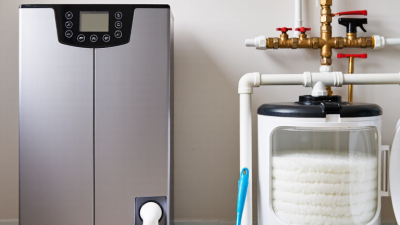

Inspect and Clean the Brine Tank, Salt, and Control Components

7 Water Softener Maintenance Tips for Long Life

A clean brine tank helps a water softener regenerate properly. Inspect it monthly for salt bridges, sludge, and standing water. A broom handle can gently test for a hardened salt layer. Do not strike the tank or force compacted salt downward. Break the bridge carefully, then remove loose debris with a plastic scoop. Keep the salt level above the water line, but avoid filling the tank to the lid. Overfilling makes inspection harder and may hide buildup.

Tips: Check salt quality and discard damp, crusted pieces. Wipe the tank rim before replacing its cover. Inspect the brine well, float, and safety valve for dirt. Confirm the drain hose stays secure and remains free of kinks. Record cleaning dates and unusual changes in salt use. These small notes can reveal problems early. Do not mix cleaning chemicals inside the tank.

Examine control components during each service visit. Look for cracked tubing, loose connections, moisture, or error messages. The timer should match your household’s water use, not a guess from years ago. Test a regeneration cycle only when the manual permits it. I have seen neglected tanks appear clean while their float assemblies were sticking. That is easy to miss. If the valve leaks, regeneration fails, or water quality changes suddenly, stop adjusting settings and contact a qualified technician. Local water conditions differ, so a maintenance schedule should be reviewed after repairs or major household changes.

7 Water Softener Maintenance Tips for Long Life - Inspect and Clean the Brine Tank, Salt, and Control Components

Tip Maintenance Area Recommended Frequency What to Do Normal Condition Warning Signs Tools or Supplies
1 Inspect the Brine Tank Monthly Look inside the tank and check for unusual water levels, salt bridges, hardened salt, sediment, or debris. Loose salt with enough water visible below the salt level; no heavy buildup on the tank walls. A solid crust, very high water level, unpleasant odor, overflowing tank, or salt that does not move when gently tested. Flashlight; wooden or plastic handle for gentle testing.
2 Break Up Salt Bridges and Remove Sludge Whenever discovered; inspect monthly Gently loosen a salt bridge without striking the tank. Remove hardened salt or sludge and avoid damaging the brine-well components. Salt breaks apart easily and the bottom of the tank is free of thick sediment. A hollow area beneath a hard top layer, repeated salt bridging, or reduced softening performance. Plastic scoop; clean bucket; protective gloves.
3 Use and Store Salt Correctly Check monthly; refill before the level becomes very low Use salt intended for water softeners, keep the tank covered, and avoid mixing different salt types unless the equipment instructions allow it. Clean, dry salt with minimal dust and no foreign material. Excessive salt dust, mushy salt at the bottom, rapid salt consumption, or frequent bridging. Approved softener salt; dry storage area; scoop.
4 Clean the Brine Tank About once per year, or as needed Follow the equipment instructions, remove remaining salt if required, rinse sediment from the tank, and refill with clean water and salt according to the specified procedure. Tank walls and bottom are free from heavy sludge, dirt, and hardened residue. Thick sediment, persistent odor, discolored brine, or recurring salt bridging after routine checks. Clean water; bucket; soft brush; gloves; towels.
5 Check the Brine Line, Float, and Injector Every 6–12 months Inspect tubing and fittings for kinks, leaks, or blockage. Clean accessible components only as directed by the equipment instructions. Tubing is secure and unobstructed; the safety float moves freely. No brine draw, continuous filling, leaking connections, stuck float, or unusually high water in the tank. Soft cloth; small non-metallic brush; replacement clips if needed.
6 Inspect Control Components and Settings Every 3–6 months and after power interruptions Check the display, clock, recharge schedule, hardness setting, electrical connection, and bypass valve position. Correct settings using the installation information. Display is clear, time is accurate, valves are dry, and programmed settings match household water conditions. Error messages, lost settings, unexpected regeneration, water bypassing the unit, or visible moisture near electrical parts. User manual; dry cloth; voltage check by a qualified person when necessary.
7 Test Water Quality and Schedule Professional Service Test every 6–12 months; service when performance changes Test hardness at a consistent tap, compare results over time, and arrange service for persistent problems involving valves, resin, leaks, or regeneration. Treated-water hardness remains close to the expected result for the household setting. Hard-water scale returns, soap performance changes, hardness rises after regeneration, or water use and salt use become abnormal. Hardness test kit; service records; qualified water-treatment technician.
Safety note: Disconnect power before servicing electrical components, keep water away from electrical connections, and follow the equipment manufacturer’s instructions for cleaning, regeneration, and replacement parts.

Check Water Flow, Regeneration Settings, and Resin Performance

Water Softener Maintenance Tips for Long Life

Water flow reveals problems early. Check the inlet and outlet valves monthly. A weak shower stream may indicate clogged screens, a bypass setting, or resin fouling. Record the meter reading before and during regeneration. The U.S. Geological Survey classifies water above 120 mg/L as hard and above 180 mg/L as very hard. That hardness can increase regeneration demand. Watch the drain. Continuous discharge often signals a stuck valve or damaged seal.

Review regeneration settings after testing your water hardness. Do not guess. Set capacity according to the measured hardness, household size, and actual water use. The NSF/ANSI 44 standard evaluates rated capacity, salt efficiency, and rinse performance for residential softeners. These figures help, but field conditions still matter. Excessive regeneration wastes salt and water. Delayed regeneration may allow scale to return. Check the brine tank monthly, break salt bridges carefully, and keep the salt level below the manufacturer’s maximum line.

Resin performance deserves a simple annual check. Test hardness at a faucet after regeneration, then again near the expected service limit. A sudden hardness breakthrough may mean channeling, iron fouling, or exhausted resin. Clean the injector and brine-line screen when flow drops. I once treated a resin problem as a programming error; that shortcut wasted several cycles. The U.S. Department of Energy reports that water heating uses about 18% of household energy, so scale control can support efficiency. Still, test results should guide every adjustment.

Prevent Common Problems Through Regular Leak and Valve Checks

7 Water Softener Maintenance Tips for Long Life

Preventing leaks starts with small, visible checks. Inspect the floor around the brine tank, resin tank, and drain connection each month. A damp ring can signal a loose fitting or a failing seal. The U.S. Environmental Protection Agency reports that household leaks waste nearly 10,000 gallons of water per home each year. One unnoticed softener leak can worsen that waste.

Tips: Check the inlet and outlet joints for mineral marks. Test the bypass valve by moving it gently, without forcing it. Confirm that the control valve completes its regeneration cycle. Examine the brine line for cracks or sharp bends. Clean the injector and screen according to the service instructions. Break up salt bridges with a broom handle, not a metal tool. Record unusual noises, pressure changes, or rising salt use. Simple notes often reveal patterns.

Valves deserve careful attention. Shut off water pressure before opening any connection. Replace worn O-rings, then tighten fittings only by hand unless the service guide specifies otherwise. A valve may look closed while still allowing slow flow to the drain. Put a dry paper towel beneath each joint overnight; water marks are easier to spot than drops. NSF/ANSI 44 covers performance requirements for residential cation-exchange softeners, but certification does not remove the need for maintenance. In practice, inspection intervals vary with water quality and household demand. A monthly check is sensible, though not perfect.

Create a Maintenance Schedule for Reliable Long-Term Operation

7 Water Softener Maintenance Tips for Long Life

Create a Maintenance Schedule for Reliable Long-Term Operation

A reliable softener needs a calendar, not occasional attention. I check the brine tank monthly, using a flashlight to inspect salt bridges. A broom handle can confirm whether the salt has hardened above the waterline. The Water Quality Association recommends regular salt checks and periodic system inspection. Record each visit, even when nothing looks wrong.

Every three months, inspect the drain line for kinks, leaks, or restricted flow. Clean the brine tank when sludge or crust becomes visible. Use only the cleaner approved in your equipment manual. Every six months, test water hardness after regeneration. The U.S. Geological Survey classifies water above 120 milligrams per liter as hard. That figure helps identify declining performance, but household testing remains essential.

Schedule a professional inspection yearly, especially with iron, sediment, or irregular regeneration. Ask the technician to check resin performance, valves, seals, and brine dosage. The Water Quality Association notes that water conditions strongly influence treatment equipment maintenance. My schedule is not perfect; unusually hard water may require shorter intervals. A missed inspection can hide a slow leak or rising salt use. Keep service records beside the unit, including test results, cleaning dates, and unusual noises.

7 Water Softener Maintenance Tips for Long Life

A consistent maintenance schedule helps preserve water quality, reduce salt waste, and support reliable long-term operation.

How to use this schedule: Check salt and leaks frequently, test water hardness twice a year, and complete cleaning tasks annually. Always follow the equipment manufacturer's instructions for exact procedures.