How to Choose the Best Water Treatment Systems for Your Needs?
Choosing the right water treatment systems is crucial for your health and safety. Clean water is essential for daily activities like cooking, drinking, and bathing. However, not all systems are created equal. Many factors impact their effectiveness and suitability for your specific needs.
Consider your water source. Is it from a well or municipal supply? Contaminants vary by location. Conducting water tests can reveal what substances may be present. You might need filtration for chlorine, lead, or sediment. This process often feels daunting, especially with so many options available on the market.
Quality matters when selecting water treatment systems. Look for certifications from reliable organizations that ensure performance. Additionally, factors like maintenance and cost should guide your choice. Taking time to research can lead to better decisions. Reflect on your household's consumption needs to find the most suitable system.
Understanding Different Types of Water Treatment Systems
When selecting a water treatment system, understanding the different types is crucial. There are several key systems to consider. One common type is the activated carbon filter. It effectively removes chlorine and improves taste. This system is popular for home use due to its affordability and ease of installation. According to a recent industry report, around 30% of households in the U.S. use these filters to improve their drinking water quality.
Another important system is reverse osmosis (RO). This method uses a semi-permeable membrane to eliminate various contaminants. A 2022 study showed that RO systems can remove up to 99% of lead and 99% of other pollutants. However, one drawback of RO systems is the water wasted during the filtration process. Many users might not realize that up to three gallons of water can be lost for every gallon treated.
Ultraviolet (UV) purification is another technology worth considering. UV systems target and deactivate harmful microorganisms, providing a chemical-free solution. This method requires electricity and may not be suitable in areas with frequent power outages. Additionally, some potential users overlook maintenance, which is essential for optimal performance. Understanding these systems' strengths and weaknesses can guide your decision for cleaner water.
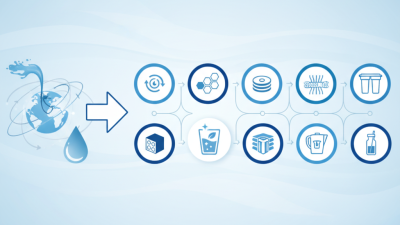
Water Treatment Systems: Types and Effectiveness
Assessing Your Water Quality Needs Before Treatment
Assessing your water quality needs is essential before selecting a treatment system. Start by testing your water. A comprehensive water test provides insights into contaminants like lead, chlorine, or bacteria. Understanding these elements helps you determine the type of filtration or treatment process required.
Analyzing your water quality also involves looking at your specific needs. Do you use water primarily for drinking, cooking, or both? Are you concerned about taste, odor, or safe consumption? Each factor can impact your choice of system. Keep in mind that some treatments may not address every contaminant. It can be frustrating when a chosen system doesn't meet all your needs.
Consider the characteristics of your household’s water usage. If you have a larger family, you may need a system with higher capacity. Not all systems perform equally under different circumstances. A system effective for one household may not work as well for another. Reflecting on these aspects can lead to more informed decisions.
Identifying Key Features to Look for in Treatment Systems
When choosing a water treatment system, key features play a crucial role. One essential aspect is the system's filtration capabilities. Look for systems that remove contaminants such as lead, chlorine, and bacteria. According to the Environmental Protection Agency, about 10% of U.S. households rely on private wells, emphasizing the importance of effective filtration.
Another feature to consider is the system's capacity. For larger households, a system with a higher flow rate might be necessary. Studies indicate that families typically use about 80-100 gallons of water per day. A system that cannot meet these demands may lead to performance issues.
Evaluate the maintenance requirements of the treatment system. Some systems need regular filter changes, while others are more hands-off. Regular maintenance ensures optimal performance and longevity.
Look for energy efficiency ratings to understand the system's operational costs. Many systems can significantly reduce energy consumption, which contributes to long-term savings. Reflecting on the trade-offs between cost, efficiency, and maintenance can guide better decisions when selecting a treatment system.
Evaluating Cost and Maintenance Factors for Water Systems
When evaluating water treatment systems, cost and maintenance are crucial factors. The initial investment can vary widely. Residential systems often range from a few hundred to several thousand dollars. It’s essential to balance upfront costs with potential long-term savings. Budgeting for installation and inspection may also be necessary.
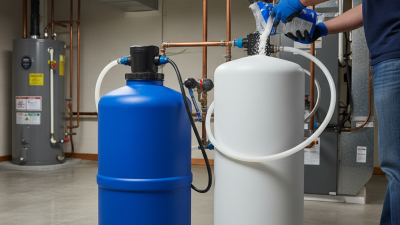
Maintenance is often overlooked but is vital for performance. Regular checks help to ensure that systems function efficiently. Some require minimal upkeep, while others need frequent filter changes or technical servicing. This means more ongoing costs for parts and labor. Understand what each system demands over the years.
Considering both cost and maintenance needs can feel overwhelming. You may find that cheaper systems lack essential features. Alternatively, a high-end system might be cost-prohibitive. It’s important to weigh these aspects carefully before making a choice. What works for one household might not be suitable for another.
Choosing Between Point-of-Use and Whole-House Solutions
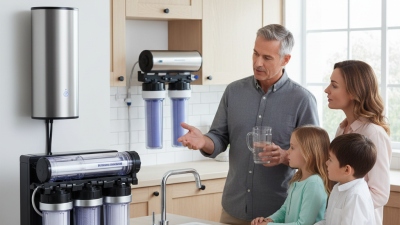
When deciding on water treatment systems, you face two main options: point-of-use and whole-house solutions. Point-of-use systems treat water at specific locations, like a kitchen faucet. This can be sufficient if you only need filtered drinking water. Installation is often simpler and can be less expensive than whole-house systems.
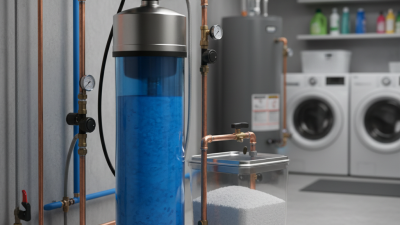
On the other hand, whole-house solutions filter all water entering your home. This means every faucet, shower, and appliance benefits from clean water. It may cost more upfront, but it provides comprehensive protection against contaminants. Think about your family's needs. Do you require filtered water for cooking and bathing? Consider the pros and cons of both setups carefully. Point-of-use systems may not eliminate all issues, while whole-house filters can lead to unexpected maintenance challenges.
Ultimately, it's crucial to assess your unique situation. Take time to evaluate your water quality reports and your household's habits. Each option has its strengths and weaknesses. Some may find point-of-use solutions sufficient, while others might prioritize the thoroughness of whole-house filtration. Reflect on what matters most for your well-being and health.