2026 How to Maintain Your Water Softener for Best Results?
A water softener is an essential appliance for many households. Proper water softener maintenance is key to achieving the best results in ensuring soft, clean water. Regular upkeep not only extends the life of your softener but also enhances its efficiency.
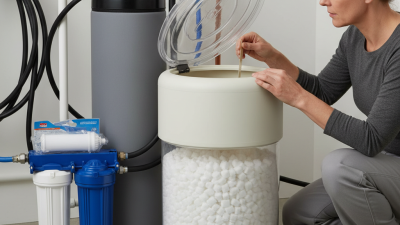
Neglecting this maintenance can lead to calcium buildup, affecting the unit's performance. It’s vital to check the salt levels frequently. If the salt is low, the appliance can’t function well. Moreover, inspecting the resin beads is also crucial. They play a critical role in the softening process and can wear out over time.
Routine cleaning is necessary. A clean brine tank helps prevent clogs. It’s easy to overlook these tasks, but they are fundamental. A well-maintained water softener saves you time and money in the long run. If you notice signs of hard water stains on fixtures, it's a reminder that maintenance is needed. These details matter.
Understanding Your Water Softener: Types and Functionality
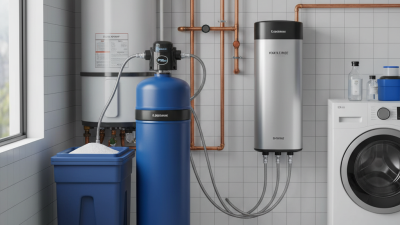
Understanding your water softener can ensure optimal performance. These systems come in various types, including salt-based and salt-free models. Salt-based softeners work by replacing hard minerals with sodium ions. This process helps prevent scale buildup in pipes and appliances. Salt-free systems utilize different technology to condition water, but may not be as effective in certain situations.
Regular maintenance is key to keeping your system efficient. Check the salt levels in your brine tank monthly. If the tank is low, the system won't be able to soften water effectively. It’s also essential to clean the tank and resin beads periodically. Over time, these can accumulate debris, reducing efficiency. Many users forget this step, which leads to subpar performance.
Be aware of your water quality.
Testing water hardness can help gauge the system's effectiveness. If your water is still hard, it may indicate that the system requires servicing. Listen for unusual noises or observe changes in water quality. These signs can be easy to overlook, but they are crucial for maintaining optimal function.
Signs Your Water Softener Needs Maintenance
If you’re relying on a water softener, it’s vital to recognize when it requires maintenance. Watching for signs can prevent bigger issues. One clear indicator is a noticeable increase in soap scum. If your dishes feel cloudy after washing, it's time to inspect your system. Additionally, experiencing dry skin or dull hair after showering can suggest softener failure.
Another telltale sign is a decrease in water pressure. Low pressure can occur when your softener is clogged or not functioning correctly. This issue may not seem urgent, but it can lead to more significant plumbing problems. Strange tastes or odors in your water could also signal trouble. Unpleasant smells can arise from a buildup of salt or bacteria, which needs immediate attention. Regularly checking your system is necessary to avoid these potentially harmful effects.
Monitoring these signs ensures your water softener runs smoothly. It takes some effort, but staying vigilant will ultimately provide better results. Taking small, proactive steps can save you time and money on repairs.
2026 How to Maintain Your Water Softener for Best Results? - Signs Your Water Softener Needs Maintenance
| Maintenance Task |
Frequency |
Signs of Needed Maintenance |
Recommended Action |
| Check Salt Levels |
Monthly |
Salt levels are low or empty |
Refill with appropriate salt |
| Clean Brine Tank |
Every 6 months |
Build-up of salt or sludge |
Empty and clean the tank |
| Inspect Resin Beads |
Annually |
Hard water problems persist |
Replace resin if necessary |
| Check for Leaks |
Monthly |
Water pooling near the unit |
Repair or contact a technician |
| Regenerate System |
As needed |
Soap doesn't lather well |
Run a regeneration cycle |
Step-by-Step Guide to Regular Water Softener Checks
Regular maintenance of your water softener is essential for optimal performance. Checking the salt levels should be part of your routine. Use a flashlight to inspect the brine tank. Low salt levels can lead to inefficient softening. Make it a habit to refill the salt regularly. Aim for at least a quarter tank of salt at all times.
Next, consider cleaning your water softener. Over time, sediment may build up in the resin tank. You can do a simple backwash. This can help remove the debris and improve efficiency. Pay attention to the resins; if they appear dirty, replace them. It often improves the overall functioning of the unit.
Inspecting the unit for leaks is vital. Small leaks might seem minor but can lead to bigger issues. Check hoses and connections for water or mineral buildup. A simple tightening can make a significant difference. Regular checks and minor fixes can enhance longevity. Rely on these steps for effective maintenance and performance.
Best Practices for Regeneration and Salt Usage
Maintaining a water softener is crucial for efficiency. Regular regeneration is vital. Data from the Water Quality Association suggests that improper regeneration can lead to a 30% increase in water hardness. This results in more soap usage and negatively impacts household appliances.
Salt plays a key role in the regeneration process. It helps remove hard minerals from the resin beads. Industry guidelines recommend checking salt levels monthly. Studies indicate that keeping salt at optimal levels can enhance performance by 20%. However, too much salt can lead to waste, and too little can diminish efficiency.
Monitoring brine tank levels can prevent issues. A visual check is often enough to spot low salt levels. A study by The National Institute of Standards and Technology found that mechanical malfunctions or improper settings can cause 15-20% of softeners to underperform. Regular checks, however tedious, ensure long-lasting benefits. Reflecting on these aspects can lead to better maintenance and overall water quality.
Troubleshooting Common Water Softener Issues
Water softeners can encounter various issues that impact their efficiency. One common problem is salt bridging, where a crust forms above the salt bed. This prevents the salt from dissolving, halting the softening process. A study by the Water Quality Research Foundation indicates that nearly 30% of households experience this issue at some point, leading to water hardness returning unnoticed. Regularly inspecting salt levels and breaking up any crusts can ensure smooth functioning.
Another frequent issue is the presence of iron in your water supply. Excess iron can clog the resin beads in the softener. Research shows that water with high iron content can diminish the lifespan of a softener by up to 50%. When troubleshooting, consider supplementing with an iron filter. Occasionally, ensure that you perform a resin cleaning cycle to maintain optimal performance.
Lack of maintenance can also lead to problems like leaks or malfunctioning valves. According to industry reports, over 25% of water softener users report significant leaks due to neglected maintenance. It's essential to perform routine checks and give attention to the system's valves and seals. Not addressing these concerns can lead to more extensive repairs and increased water bills. Regular inspections can make a substantial difference in longevity and efficiency.