
Maintaining a water softener from China requires more than adding salt when the tank looks empty. It requires observation, measurement, and consistent care. Water quality, resin performance, valve settings, and local climate can all affect service life. A softener installed in a coastal warehouse, for example, may face different corrosion risks than one installed inland.
Eric Yeggy of the Water Quality Association captures the mindset well: “Good treatment depends on good operation and maintenance.” That principle guides this practical introduction to water softener maintenance. Check the brine tank regularly. Remove hardened salt bridges with a clean plastic tool. Never use sharp metal objects that could damage the tank. Inspect the inlet, outlet, drain line, and bypass valve for moisture or mineral buildup. Small leaks often become expensive problems.
Test the incoming and treated water with a reliable hardness kit. Record the results beside the control valve. A rising hardness reading may indicate incorrect regeneration settings, exhausted resin, or a blocked injector. Imported equipment should also be checked against its Chinese manual, warranty terms, and replacement-part availability. Translation mistakes can cause confusion. I have seen maintenance plans fail because technicians assumed every model used the same programming sequence.
That assumption deserves questioning. Salt consumption is not the only performance measure. Listen for unusual valve noise. Watch regeneration timing. Clean the brine screen when recommended. Schedule professional inspection when water quality changes suddenly or the system remains inefficient. Good water softener maintenance is rarely dramatic. It is mostly careful work, repeated before problems become visible.
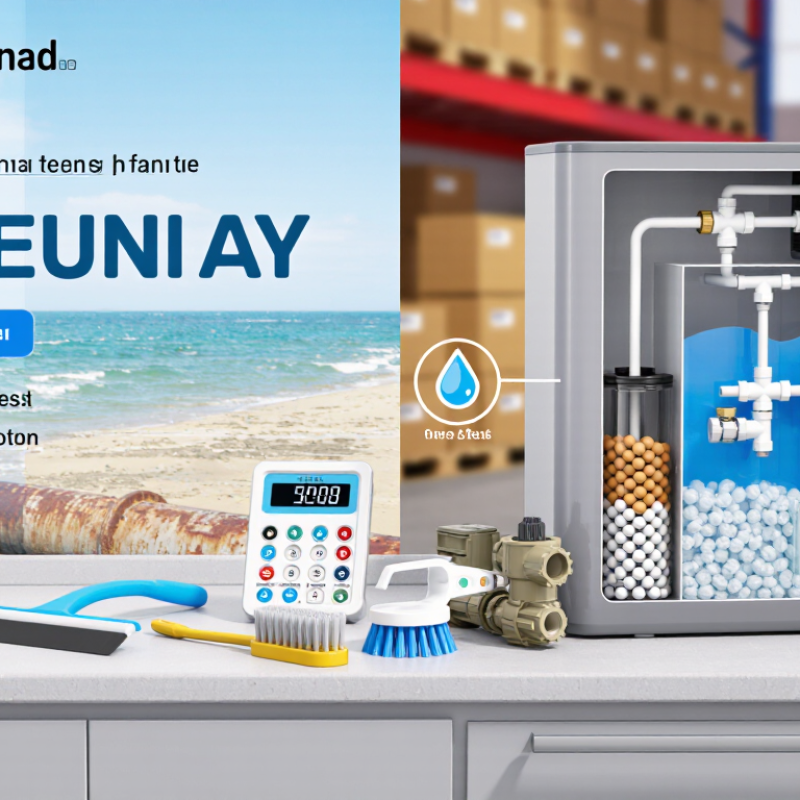
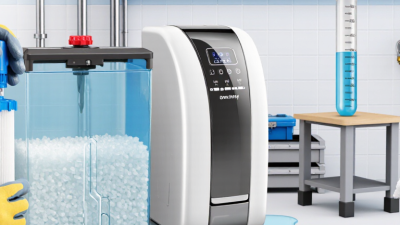
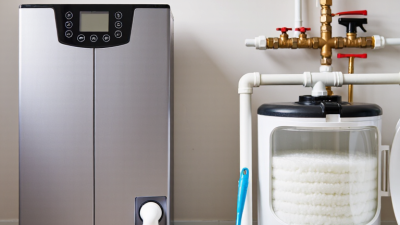
A Chinese water softener usually has four working sections: a mineral tank, resin beads, a brine tank, and a control valve. During service, calcium and magnesium attach to the resin. Sodium or potassium ions then enter the treated water. The control valve starts regeneration when the resin capacity is nearly exhausted. NSF/ANSI 44 defines performance requirements for residential cation-exchange softeners, including hardness reduction and structural safety.
Water hardness should guide maintenance. The US Geological Survey classifies water above 180 milligrams per liter as calcium carbonate as very hard. Test the inlet and outlet water monthly with a reliable hardness kit. If the outlet reading rises, inspect the valve settings, resin condition, and regeneration schedule. Do not assume more salt means better performance. A brine tank needs enough salt to cover the grid, but a solid salt bridge can hide an empty lower chamber.
Keep the drain line secured and free from kinks. Check the brine float after cleaning, because a stuck float may cause overflow or poor regeneration. The World Health Organization reports that sodium levels can increase after ion exchange treatment, so households with sodium restrictions should confirm the treated-water level. Manufacturer manuals often differ in programming details. That is where mistakes happen. I have found that recording hardness, salt use, and regeneration dates reveals problems earlier than appearance alone. Resin replacement intervals also vary with chlorine, iron, flow rate, and local water quality. Check the actual data, not assumptions.
| Component or Maintenance Area | Main Function | Recommended Inspection or Service | Typical Frequency | Common Maintenance Indicators |
|---|---|---|---|---|
| Water Softener Tank | Contains ion-exchange resin that removes calcium and magnesium ions from hard water. | Check for cracks, leaks, deformation, unusual noise, or movement around the tank. | Monthly visual inspection | Water leakage, reduced softening performance, or visible tank damage. |
| Ion-Exchange Resin | Exchanges hardness ions for sodium or potassium ions during the service cycle. | Test treated-water hardness and inspect for channeling or resin fouling. | Every 1–3 months | Hard water returns shortly after regeneration, or hardness gradually increases. |
| Control Valve | Controls service, backwash, brine draw, slow rinse, fast rinse, and regeneration timing. | Confirm the valve completes each programmed cycle and check connections for leaks. | During each regeneration cycle; detailed check every 6 months | Stuck cycle, continuous draining, incorrect regeneration, or error indications. |
| Brine Tank | Stores salt or potassium chloride solution used to regenerate the resin. | Remove salt bridges, inspect for sludge, and clean the tank if sediment accumulates. | Check monthly; clean approximately once per year | Salt remains above an empty cavity, low brine level, odor, or visible sediment. |
| Regeneration Salt | Provides sodium or potassium ions needed to restore the resin’s exchange capacity. | Use suitable softener salt and keep the supply above the minimum level specified by the equipment instructions. | Inspect every 2–4 weeks | Salt shortage, hard water after regeneration, or frequent regeneration. |
| Brine Well and Safety Float | Regulates brine withdrawal and helps prevent excessive water from entering the brine tank. | Check that the float moves freely and that the well is free from salt deposits or debris. | Every 3–6 months | Brine tank overfilling, insufficient brine draw, or failed regeneration. |
| Injector or Venturi Assembly | Creates suction to draw concentrated brine from the brine tank into the resin tank. | Remove and rinse the injector screen and nozzle with clean water; do not enlarge the opening. | Every 6–12 months, or when brine draw fails | No brine suction, slow regeneration, or persistent water in the brine tank. |
| Inlet Pre-Filter | Captures sand, rust, and suspended particles before they reach the control valve and resin bed. | Flush or replace the filter according to its condition and pressure drop. | Inspect monthly; replace when clogged | Reduced water flow, pressure loss, or visible sediment. |
| Drain Line | Carries wastewater away during backwash and regeneration. | Check for kinks, blockage, loose fittings, and an appropriate air gap where required. | Every 3 months and after relocation | Overflow, slow drainage, leaks, or incomplete regeneration. |
| Water Hardness Setting | Determines the required regeneration capacity based on incoming-water hardness and usage. | Verify the setting with a hardness test and adjust it when the water source or household demand changes. | At installation and every 6–12 months | Frequent regeneration, insufficient capacity, or inconsistent water hardness. |
| Water Hardness Testing | Confirms whether the treated water meets the intended hardness level. | Test a cold-water sample after the softener has completed a regeneration cycle and stabilized. | Monthly during troubleshooting; otherwise every 3–6 months | Test results show increasing hardness or unexpected variation. |
| Water and Brine Connections | Directs inlet water, softened water, brine, and drain flow through the correct paths. | Inspect tubing, threaded fittings, seals, and shut-off valves for moisture or corrosion. | Monthly visual inspection | Dripping joints, wet flooring, air entering the brine line, or incorrect flow direction. |
| Electrical Supply and Display | Powers the control valve, timer, sensors, and regeneration programming. | Keep the power adapter dry, confirm the clock is accurate, and check that programmed cycles are retained. | Every 3 months and after power outages | Blank display, reset schedule, interrupted cycle, or repeated control errors. |
| Bypass Valve | Allows the water supply to bypass the softener during servicing or emergencies. | Operate the valve carefully and verify that the normal-service and bypass positions are clearly identified. | Every 6 months | Valve is difficult to turn, water remains hard in service mode, or isolation is incomplete. |