Top Home Water Filter Tips for Clean Safe Drinking Water?
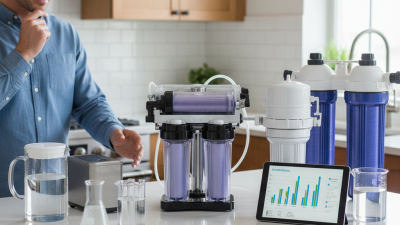
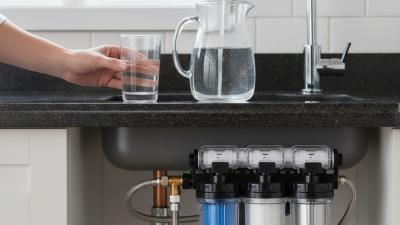
When it comes to ensuring clean, safe drinking water, a home water filter plays a crucial role. Many households rely on various filtration systems. These systems promise to remove impurities and improve taste. However, not all filters are created equal. Understanding what makes a home water filter effective is essential for maximizing its benefits.
Choosing the right filter involves considering your water source and its specific contaminants. For some, a basic carbon filter might suffice. Others may need a more advanced reverse osmosis system. It’s not just about installation; regular maintenance is key. Filters can become clogged or less effective over time if not properly cared for.
It’s important to regularly check filter performance. Some may overlook the signs of a failing filter. This complacency can lead to health risks. Remember, the goal is to enjoy clean water effortlessly. With informed choices and attention, your home water filter can be a reliable source of hydration.
Understanding the Importance of Clean Drinking Water at Home
Clean drinking water is essential for health. According to the World Health Organization, around 2 billion people lack access to safe drinking water. Contaminated water can cause severe health issues, including gastrointestinal diseases and even long-term effects like cancer. Ensuring clean water at home is not just a luxury; it’s vital for well-being.
To maintain clean drinking water, consider using a home water filter. Look for filters that can remove common contaminants like lead and chlorine. Studies show that filtered water can significantly reduce levels of these harmful substances. Regularly change filters according to the manufacturer’s guidelines to ensure their effectiveness.
It’s also important to test your water quality. Home testing kits are available and can reveal contaminant levels. If your water comes from a well, regular testing is especially crucial. Remember, not all filters are created equal. Research filter certifications to understand their capabilities. Only trust reliable information from authority sources in the field. You deserve clean, safe water for you and your family.
Top Home Water Filter Tips for Clean Safe Drinking Water
| Tip |
Description |
Importance |
Frequency of Change |
| Use Multi-Stage Filters |
Multi-stage filters remove a wide range of contaminants efficiently. |
Provides comprehensive purification for better health. |
6-12 months |
| Regular Maintenance |
Cleaning and checking filters ensures optimal performance. |
Maintains filter efficiency and extends lifespan. |
Monthly |
| Test Water Quality |
Use test kits to check for contaminants regularly. |
Ensures water safety by identifying issues early. |
Every 6 months |
| Replace Filter Cartridges |
Ensure cartridges are replaced as recommended by the manufacturer. |
Prevents clogging and maintains clean water flow. |
As per manufacturer’s guideline (usually 3-6 months) |
| Monitor Water Pressure |
Check if the water pressure is within the recommended range. |
Prevents damage to the filtration system. |
Quarterly |
Types of Home Water Filters: An Overview of Options Available
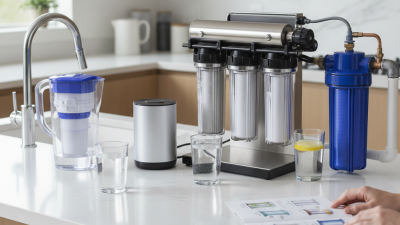
Choosing the right home water filter is crucial for ensuring safe drinking water. With various types of filters available, it can be overwhelming. Key options include activated carbon filters, reverse osmosis systems, and UV purifiers. Each type has its unique strengths and weaknesses. For instance, activated carbon filters excel at removing chlorine and odors but may not eliminate heavy metals.
When selecting a filter, consider local water quality. This knowledge helps identify which contaminants you need to address. Don’t overlook maintenance; regular filter changes are essential for optimum performance. A neglected filter can lead to more issues than before.
Here are some tips for filter use: Always read the manufacturer’s instructions carefully. A well-installed filter performs better. Test your water periodically to track the effectiveness of your filter. Remember; a filter may not last as long as expected. Stay proactive in ensuring your water remains clean and safe for consumption.
Top Home Water Filter Types
This chart illustrates the effectiveness of various home water filter types in removing contaminants from water. Activated carbon filters are widely used due to their ability to remove many chemicals and impurities. Reverse osmosis systems offer the highest level of purification, while UV filters are effective against bacteria and viruses. Ceramic filters provide good filtration against larger particles, and distillation results in clean water by removing almost all contaminants.
Key Features to Look for in a Quality Water Filter
When selecting a quality water filter, certain key features are crucial for ensuring clean, safe drinking water. First, consider the filter's ability to remove contaminants. According to a 2023 report by the Environmental Protection Agency (EPA), around 15 million Americans receive drinking water from systems that violate federal health standards. Strong filtration systems can tackle harmful substances such as lead, chlorine, and biological contaminants effectively.
Another significant feature is the filter’s capacity. A reliable water filter should have a high flow rate. This ensures that you have access to safe water without lengthy waiting periods. According to industry standards, a good flow rate should be around 1 to 2 gallons per minute for household use. Additionally, check for certifications like NSF/ANSI standards. These labels indicate that the filter meets rigorous testing for safety and performance.
Installation and maintenance are also vital. Many users overlook the importance of easy installation and regular filter replacements. A complex setup can lead to user error, often compromising water quality. Monitoring filter lifespan is key too. Filters should be replaced every 6 to 12 months, depending on water usage. Regular maintenance ensures optimum efficiency and helps avoid ongoing issues with water quality. Prioritizing these features can lead to a better quality of drinking water, balancing convenience and safety.
Maintenance Tips for Ensuring Optimal Filter Performance
When it comes to maintaining your home water filter, regular upkeep is crucial. Filters can accumulate contaminants over time. This buildup reduces their efficiency and can harm water quality. Checking filters monthly is a good practice. Some filters require replacement every three to six months, while others may last longer. Staying on top of this schedule is essential for safe drinking water.
Cleaning the system itself is also important. Mineral deposits and sediment can hinder performance. Using a simple vinegar solution can help dissolve these build-ups. For reverse osmosis systems, it’s good to inspect the tank for any leaks or unusual odors. Remember, neglecting these routine tasks can lead to regret down the line. Filtering systems are not set and forget; they demand attention and care.
Record-keeping can enhance your filter maintenance routine. Jot down replacement dates and cleaning schedules. This simple step can prevent a lapse in service that may compromise water quality. Be proactive rather than reactive. Sometimes, filters can show visible signs of wear, like discoloration. Noticing these details early can save you time and money, ensuring your drinking water remains clean and safe.
Testing Your Water Quality: When and How to Conduct Tests
Testing your water quality is crucial for ensuring safe drinking water. To begin, collect a sample of your tap water in a clean container. It's best to wait a few hours after water hasn't been used to get an accurate reading.
Next, you can use home testing kits available online or at local stores. Look for kits that test for common contaminants, such as lead, chlorine, and bacteria. Always follow the instructions carefully to ensure precise results.
For reliable results, consider conducting tests every six months. This frequency can help track changes in water quality over time. If you notice unusual tastes, odors, or colors in your water, it’s time to test. Pay attention to any changes in your plumbing as well, as old pipes can release harmful chemicals.
Here are a couple of tips: Keep a log of your test results. This can help identify patterns or issues with your water supply. Also, don’t hesitate to contact local officials if you find concerning results. They can offer guidance and support in resolving water quality issues. Regular testing can feel tedious, but it's a necessary step for safe drinking water.