What is the Best Water Filtration System for Your Needs?
Choosing the right water filtration system is essential for maintaining a healthy lifestyle. Clean water is vital for our well-being. However, the options can be overwhelming. Different systems cater to various needs and preferences. Exploring these options requires careful consideration.
A quality water filtration system can improve taste and remove harmful contaminants. Some units target specific impurities, while others offer broader filtration. It's essential to assess your specific needs, such as the size of your household and local water quality.
Many people make assumptions about filtration systems without adequate investigation. This can lead to disappointment or health risks. Understanding your water's characteristics is crucial. Engaging with professionals or conducting thorough research will help you make an informed decision.
Understanding Different Types of Water Filtration Systems
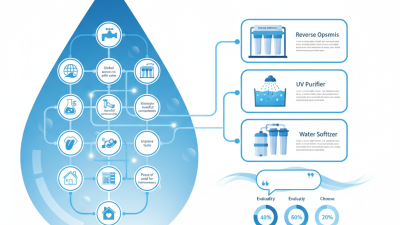
When considering a water filtration system, understanding the different types is essential. The primary options include activated carbon filters, reverse osmosis systems, and UV purifiers. Each serves unique needs based on water quality and specific contaminants.
Activated carbon filters are the most common. They excel in removing chlorine, sediment, and volatile organic compounds (VOCs). According to a report by the Water Quality Association, about 70% of consumers prefer this type for its affordability and ease of use. However, they may not filter every contaminant effectively, especially heavy metals. Regular replacement of filters is critical for maintaining efficiency.
Reverse osmosis systems go further by removing up to 99% of impurities, including lead and arsenic. A study by the EPA highlighted their effectiveness in areas with heavily contaminated water supply. They do waste some water in the process, leading to discussions about sustainability. Additionally, the high initial investment can be a barrier for many households. Understanding these trade-offs is essential for making an informed decision. While UV purifiers provide safe water by eliminating bacteria and viruses, they do not remove chemical contaminants. Each system carries its strengths and weaknesses, requiring careful evaluation.
Factors to Consider When Choosing a Water Filtration System
Choosing a water filtration system requires careful thought. Understanding your specific needs is vital. The water quality in your area is a crucial factor. Test your water for contaminants. Different systems target different impurities.
Consider the type of filtration technology. Activated carbon reduces chlorine and improves taste. Reverse osmosis systems remove heavy metals but waste water. Don't overlook the system's capacity. A household with many members needs a larger unit. Maintenance requirements can vary greatly. Some systems demand regular filter changes, while others are largely self-sustaining.
Budget is another significant consideration. High-end systems offer advanced features but can be expensive. Think about installation costs too. Some setups are DIY-friendly, while others may need a professional. Environmental impact is often ignored. Choose systems that minimize waste. A little research can lead to informed choices. Consider local support and expertise for ongoing maintenance.
Comparison of Different Water Filtration Systems
Comparing the Cost and Maintenance of Water Filtration Options
When considering a water filtration system, costs and maintenance are crucial factors. The initial investment can vary widely. Some systems are expensive upfront but may last longer and require less maintenance. Others are cheaper but might necessitate frequent filter changes. Evaluate your budget and long-term needs before making a choice.
Maintenance is another significant aspect. Some systems need regular upkeep, while others are mostly hands-off. Simple filter replacements can often be done by users. But complex systems may require professional servicing to operate optimally. This can lead to additional costs that should not be overlooked.
Reflect on your water quality and consumption patterns. If you have high mineral content or contaminants, a more advanced system could be necessary. However, for areas with good water quality, a basic filter might suffice. Real talk: deciding on the right system isn't always straightforward. It takes time and consideration to find the best balance for your specific situation.
Evaluating the Effectiveness of Water Filtration Technologies
When considering water filtration technologies, effectiveness is crucial. Various systems remove contaminants effectively, but not all are equally efficient. A report from the Water Quality Association indicates that reverse osmosis systems can remove up to 99% of impurities, including lead and chlorine. They offer a high level of purification but also generate wastewater, raising concerns about sustainability.
Carbon filters are popular for their ability to improve taste and smell, reducing contaminants like chlorine. A study by the Centers for Disease Control and Prevention states that activated carbon can remove volatile organic compounds (VOCs). However, these systems require regular replacement to maintain effectiveness. The lifespan of filters can vary, often leading to neglected maintenance.
UV purification systems use ultraviolet light to kill bacteria and viruses. According to a report by the National Sanitation Foundation, they are highly effective but do not remove chemical contaminants. This limitation urges consumers to assess their specific needs. Regular testing of water quality is essential to gauge filtration performance over time. Each technology has pros and cons, and users should reflect on their water quality needs before making a choice.
How to Choose a Water Filtration System Based on Water Quality
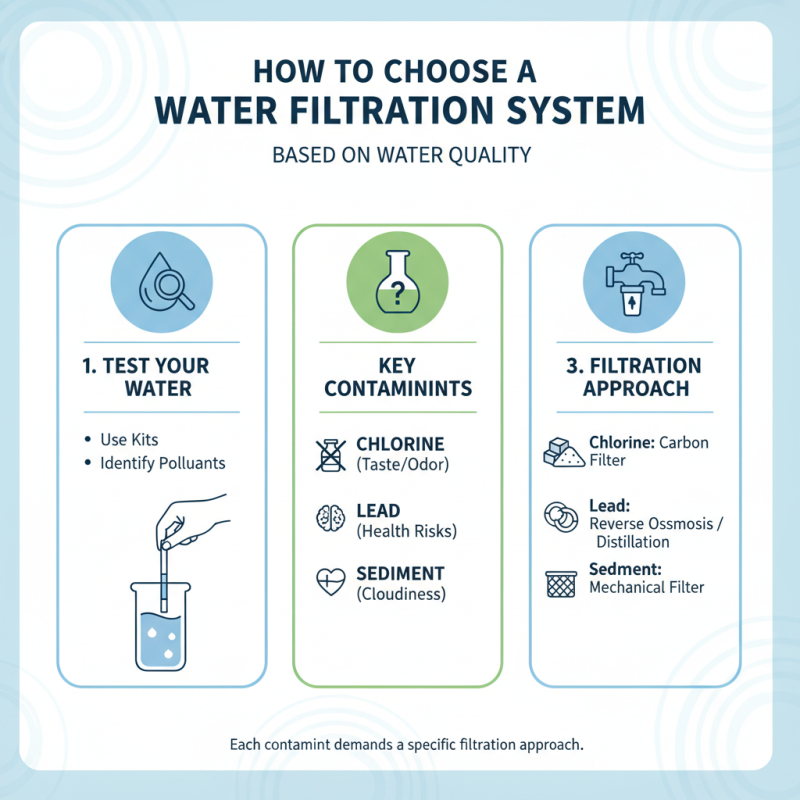
Choosing a water filtration system requires a careful assessment of your water quality. Start by testing your water. You can use testing kits to identify pollutants. Key elements to check include chlorine, lead, and sediment. Each contaminant demands a specific filtration approach.
Once you know what’s in your water, you can match filters to your needs. If your water has high sediment, a sediment filter may work best. For heavy metals like lead, consider a reverse osmosis system. Some filters tackle multiple issues, but be mindful. They might not perform equally for every type of contaminant.
Looking at overall effectiveness matters. Each type of filter has its pros and cons. You might need a combination of systems for optimal results. Reliability and maintenance are factors too. Even the best systems can struggle without regular upkeep. Reflect on your water usage patterns. Are you using water for cooking, drinking, or both? This can influence your decision on filtration needs.