What Are the 10 Best Water Purification Systems? The right choice depends on your water, household size, and willingness to maintain the equipment. A pitcher may suit a small kitchen, while an under-sink reverse osmosis unit can provide filtered water at a dedicated tap. There is no single best option for every home. That matters.
A useful comparison looks beyond polished product photos. Check tested contaminant-reduction claims, flow rate, filter life, replacement costs, and installation needs. NSF/ANSI certifications can offer helpful evidence. Still, verify which specific substances a model is certified to reduce; certification does not mean it removes everything. Private well owners should consider water testing, since clear water and a neutral taste cannot reveal every concern. A faint chlorine smell, metallic aftertaste, or slow-filling glass may suggest different issues, but none is a diagnosis. Small details count.
This guide compares ten water purification systems for common home setups, from countertop filters to whole-house units. It weighs performance evidence, everyday convenience, maintenance, and value—not just a long feature list. Some systems take up cabinet space, require frequent cartridge changes, or waste water during treatment. Those trade-offs are easy to miss when shopping. The best fit should address a verified need and work with your space, budget, and routine.
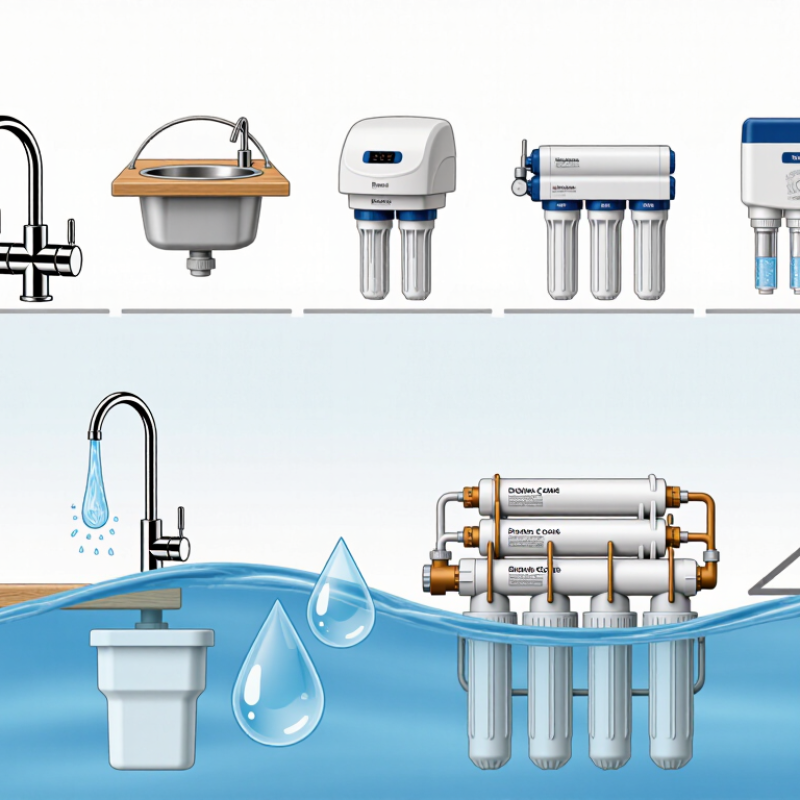
Water purification systems remove contaminants through physical barriers, chemical attraction, and disinfection. The right method depends on what is in the water. The World Health Organization reported that at least 1.7 billion people used drinking water contaminated with feces in 2022. This illustrates why microbial safety matters, but it does not mean every home needs the same treatment.
Sediment filters trap visible particles such as rust and grit. Activated carbon adsorbs some chemicals that affect taste and odor, including chlorine; it does not reliably remove every dissolved contaminant. Reverse osmosis pushes water through a fine membrane, reducing many dissolved substances, though performance varies by system and contaminant. Ultraviolet treatment can inactivate microbes, but it does not remove metals or particles. The U.S. Environmental Protection Agency advises matching treatment to identified water-quality concerns. No single process does everything. Even a clear glass can contain invisible contaminants.
Tips: Check a current water-quality report or use a qualified laboratory before choosing a system. Read the label for the specific contaminants tested and reduction claims. Replace cartridges on schedule; a neglected filter may work poorly. Small detail, big difference: keep the treated-water faucet and storage container clean.
| System Type | How It Works | Contaminants It Can Reduce | Main Advantages | Important Limitations | Common Use |
|---|---|---|---|---|---|
| Reverse Osmosis (RO) | Pushes water through a semipermeable membrane, typically with pre- and post-filters. | Depending on the specific system, may reduce dissolved salts, lead, arsenic, nitrate, fluoride, and some other dissolved contaminants. | Broad reduction of many dissolved substances; often used when a water test identifies specific concerns. | Performance varies by model and water conditions. Produces reject water, needs filter changes, and may remove beneficial minerals as well as unwanted substances. | Under-sink drinking-water treatment |
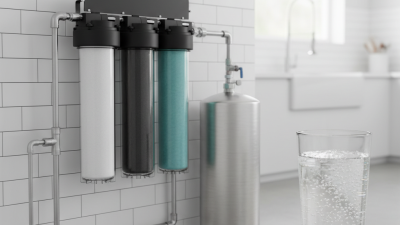
| Activated Carbon Filter | Adsorbs certain compounds onto porous carbon; some designs also use catalytic carbon. | Often reduces chlorine taste and odor and may reduce certain organic chemicals, depending on the filter’s design and certification. | Can improve taste and odor; typically simple to install and operate. | Ordinary carbon filters do not reliably remove dissolved salts, nitrate, or all metals and microbes. Cartridge replacement is essential. | Pitcher, faucet, countertop, or under-sink treatment |
| Ultraviolet (UV) Disinfection | Uses UV light to inactivate microorganisms as water flows past a lamp. | Can inactivate many bacteria, viruses, and protozoa when the system is correctly sized and operated. | Disinfects without adding a chemical taste; useful as a microbial treatment step. | Does not remove chemicals, metals, salts, or particles. Clear water and reliable power are important; the lamp requires maintenance. | Point-of-entry or point-of-use microbial treatment |
| Distillation | Boils water and collects the condensed vapor, leaving many nonvolatile substances behind. | Can reduce many dissolved minerals, salts, and metals; effectiveness for volatile compounds depends on the unit’s design. | Can produce low-mineral water without a membrane. | Usually slower and more energy-intensive than many alternatives. Some volatile contaminants may carry over unless the unit includes appropriate controls. | Small-volume household drinking water |
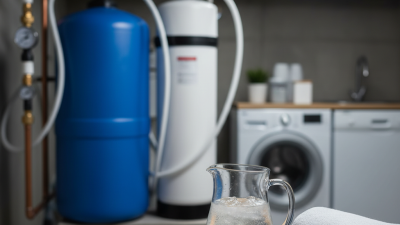
| Ion-Exchange Softener | Exchanges hardness ions, mainly calcium and magnesium, for sodium or potassium ions. | Reduces water hardness; specialized resins can target certain ions, such as nitrate, when designed for that purpose. | Helps limit scale buildup and can improve soap performance in hard water. | A standard softener is not a general-purpose purifier and does not disinfect water. Regeneration uses salt and produces wastewater. | Whole-house hardness treatment |
| Ceramic Filter | Passes water through a porous ceramic barrier that physically retains particles and some microorganisms. | Can reduce suspended particles and certain bacteria or protozoa; results depend on pore size and any added treatment media. | Some elements can be cleaned or replaced, and many systems operate without electricity. | Does not generally remove dissolved salts or chemicals. Microbial reduction is product-specific; cleaning and careful handling matter. | Gravity-fed or countertop treatment |
| Ultrafiltration (UF) | Uses a fine membrane to separate suspended solids and many microorganisms from water. | Can reduce particles, bacteria, and protozoa; virus reduction depends on the membrane and system design. | Typically retains more minerals than RO and usually does not create a concentrated reject stream like RO. | Does not usually remove dissolved salts or many small dissolved chemicals. Membranes need cleaning or replacement. | Point-of-use or point-of-entry treatment |
| Sediment Filter | Captures suspended particles as water passes through a screen, depth filter, or cartridge. | Reduces sand, rust flakes, silt, and other particles, depending on the filter rating. | Protects downstream equipment and filters from larger particles; available in a range of sizes. | Does not remove dissolved contaminants or disinfect water. Fine filters can clog and reduce water flow. | Pre-filter for household or drinking-water systems |
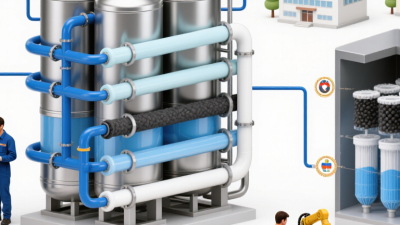
| Whole-House Activated Carbon System | Directs household water through a larger carbon bed that adsorbs selected compounds. | May reduce chlorine taste and odor and certain organic compounds; exact reduction depends on the media and contact time. | Treats water at multiple taps and may improve taste and odor throughout the home. | Does not reliably remove all dissolved contaminants or microbes. Media replacement and appropriate sizing are important. | Point-of-entry treatment for household water |
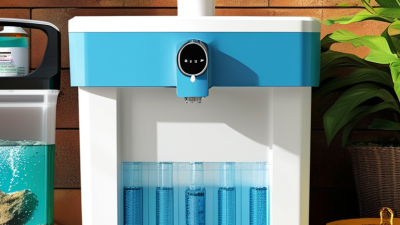
| Gravity-Fed Multi-Stage Filter | Uses gravity to pass water through one or more media stages, often combining particle filtration with carbon or other media. | May reduce particles, chlorine taste and odor, and selected contaminants if the specific system is tested or certified for them. | Portable, requires no plumbing, and generally works without electricity. | There is no single performance standard for all multi-stage designs. Reduction claims, flow rate, and replacement schedules vary widely. | Portable, countertop, or emergency household use |
Selection note: No system removes every contaminant. Choose treatment based on a laboratory water test or a reliable public water-quality report, and check that the specific product is independently certified for the contaminant you want to reduce. Follow the manufacturer’s installation and replacement instructions.