Top 10 Whole House Water Filtration Systems for Clean Water at Home?
In today’s world, access to clean water is essential. A whole house water filtration system can greatly improve the quality of your water supply. These systems filter contaminants from all the water in your home, ensuring that every tap provides safe drinking water.
Choosing the right filtration system can be overwhelming. Many options are available, each with unique benefits and drawbacks. Understanding your specific water quality needs is crucial. For instance, some systems target chlorine and sediment, while others focus on bacteria removal.
Investing in a whole house water filtration system can enhance your health and comfort. Families report fewer illnesses related to contaminated water. However, it’s important to remember that no system is flawless. Regular maintenance and occasional filter changes are necessary for optimal performance. Take the time to evaluate your options and choose wisely.
Understanding Whole House Water Filtration Systems
Whole house water filtration systems play a vital role in ensuring clean water throughout your home. These systems treat all water coming into the house, removing contaminants and impurities. A recent industry report noted that more than 80% of American households use some form of filtration. This highlights the growing awareness of water quality issues.
When selecting a system, consider the specific contaminants in your water supply. Local water quality reports can provide essential insights. For instance, many areas have high levels of chlorine, lead, or sediment. These impurities can affect taste and health.
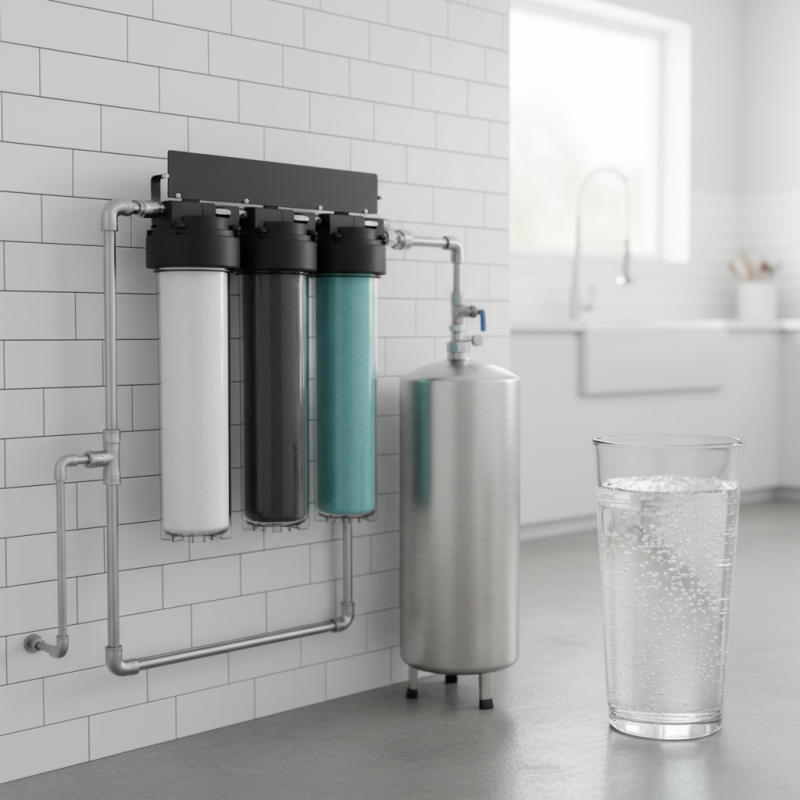
Tips for choosing a system: Understand your local water quality. Regularly test your water to identify contaminants. Look for systems with multiple filtration stages. These often include sediment filters, activated carbon, and UV treatment. A well-designed system can effectively reduce bacteria and chlorine.
Remember that maintenance is crucial. Filters need regular replacement to ensure optimal performance. Neglect can lead to decreased water quality. Some homeowners may overlook this, thinking once installed, the system requires no attention. This misconception can result in health risks.
Benefits of Installing a Whole House Water Filtration System
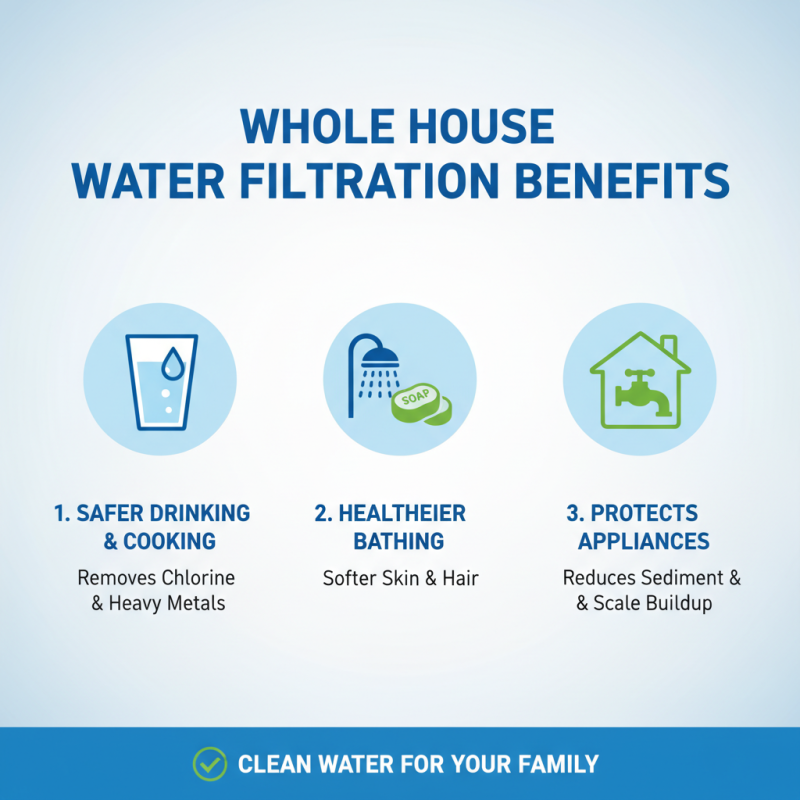
Installing a whole house water filtration system brings numerous benefits for homes and families. One of the key advantages is the assurance of clean water for drinking, cooking, and bathing. Contaminants often found in tap water, including chlorine and heavy metals, can be effectively reduced with a proper filtration system. This means safer water for everyone in the household.
Another significant benefit is the protection of appliances and plumbing. Hard water and mineral buildup can damage water heaters and pipes over time. With a filtration system in place, homeowners can prolong the lifespan of their appliances. Additionally, this can lead to fewer maintenance costs in the long run.
**Tips:** Regularly check your filtration system to ensure it is working effectively. Understanding the specific contaminants in your water helps in choosing the right filter. Don't neglect the importance of routine maintenance. Without proper care, even the best systems can underperform, leaving families exposed to potential risks.
Key Features to Look for in a Water Filtration System
When choosing a water filtration system for your home, certain key features can make all the difference. First, consider the type of filtration. Systems can use carbon filters, reverse osmosis, or UV light. Each method addresses different contaminants. Carbon filters remove chlorine and sediment. Reverse osmosis systems can handle a wider range of impurities, including heavy metals. UV light effectively kills bacteria and viruses.
Flow rate is another critical feature. It indicates how much water can be filtered at once. A higher flow rate will ensure that you have clean water readily available. Pay attention to the filter lifespan too. Shorter lifespans mean frequent replacements, increasing overall costs. Regular maintenance is essential for optimal performance.
Tips: Always check if the system meets health standards. Look for certifications from credible organizations. Consider your household's size and water usage. A perfect system for one home might not work for another. Don’t hesitate to ask for professional opinions. This can save you time and money in the long run.
Top 10 Whole House Water Filtration Systems Reviewed
When looking for a water filtration system for your home, it’s essential to know what to consider. A whole house water filtration system can effectively remove contaminants, ensuring cleaner water from every tap. These systems filter out sediments, chlorine, and other impurities. They can lead to better taste and safer water for your family.
However, not all systems are created equal. Some may struggle with high levels of certain pollutants. This often requires additional filtration stages or specialized filters. Installation and maintenance can vary widely among different systems. Some might be straightforward, while others can become complex. Research is vital before making a decision.
User reviews can provide valuable insights. Experiences might differ, highlighting strengths and weaknesses. Look for systems that have stood the test of time. Trust in expert opinions is crucial, but personal experiences often reveal the real story. Familiarize yourself with the specifications. This knowledge will help you choose wisely. A trusted system can lead to clear, safe drinking water for years to come.
Top 10 Whole House Water Filtration Systems Reviewed
| System Model |
Filter Type |
Flow Rate (GPM) |
Contaminants Removed |
Price Range |
| Model A |
Activated Carbon |
10 |
Chlorine, Sediment |
$500 - $700 |
| Model B |
Reverse Osmosis |
8 |
Lead, Nitrates |
$800 - $1000 |
| Model C |
Water Softener |
12 |
Hardness Minerals |
$700 - $900 |
| Model D |
UV Filter |
15 |
Bacteria, Viruses |
$900 - $1200 |
| Model E |
Whole House Filtration |
14 |
Sediment, Heavy Metals |
$600 - $800 |
| Model F |
Two-Stage Filter |
9 |
Chlorine, Sediment |
$400 - $600 |
| Model G |
Granular Activated Carbon |
11 |
Chlorine, VOCs |
$500 - $750 |
| Model H |
Centrifugal Filter |
13 |
Sediment, Large Particles |
$650 - $850 |
| Model I |
Alkaline Filter |
10 |
Chlorine, Fluoride |
$550 - $750 |
| Model J |
Sediment Filter |
14 |
Sediment, Rust |
$300 - $500 |
Maintenance Tips for Optimal Performance of Filtration Systems
Maintaining a whole house water filtration system is crucial for ensuring clean and safe drinking water. Regular upkeep can enhance the filtration performance significantly. According to industry research, nearly 50% of homeowners overlook vital maintenance tasks, leading to reduced water quality and system inefficiency.
Filter replacement is one of the most critical steps. Replacing filters every six months or as recommended ensures contaminants like chlorine and sediment remain effectively removed. Neglecting this can lead to bacteria growth. Studies indicate that dirty filters can decrease system efficiency by up to 30%, which directly impacts water quality.
Additionally, regular inspection of system components is essential. Check for leaks, mineral buildup, or unusual noises. These signs may indicate that professional service is needed. Industry experts recommend scheduling an annual deep clean and inspection. Keeping records of maintenance can also help track performance trends. Engaging with these maintenance practices can ensure optimal filtration, providing peace of mind for homeowners regarding their water quality.