Kinetico Water

China Top 10 Home Water Filtration System Suppliers?

Choosing a home water filtration system is not simply a matter of comparing prices. Buyers need to understand their water source, household usage, filter replacement costs, and the evidence behind performance claims. The WHO/UNICEF Joint Monitoring Programme reported that 2.2 billion people lacked safely managed drinking water in 2022. Its 2023 report measures access to water services; it does not mean every home needs the same filtration technology. That distinction matters.

This guide to China’s top 10 home water filtration system suppliers focuses on practical checks, not an unsupported popularity ranking. We consider product range, manufacturing experience, published test information, quality controls, and after-sales support. Look for clear details on flow rate, cartridge life, and which substances a model is designed to reduce. Ask whether test results apply to the exact product, rather than a similar model. Small print matters.

A neat specification sheet can still leave important questions unanswered. Filters are not a universal fix. Performance depends on the incoming water and proper maintenance, including timely cartridge changes. Suppliers that explain these limits deserve closer attention than those promising effortless purity. The companies featured here serve different needs, from compact kitchen units to whole-house systems. Use the comparison as a starting point, then verify claims directly with each supplier before making a purchase.
China Top 10 Home Water Filtration System Suppliers?

Understanding China’s Home Water Filtration Supplier Landscape

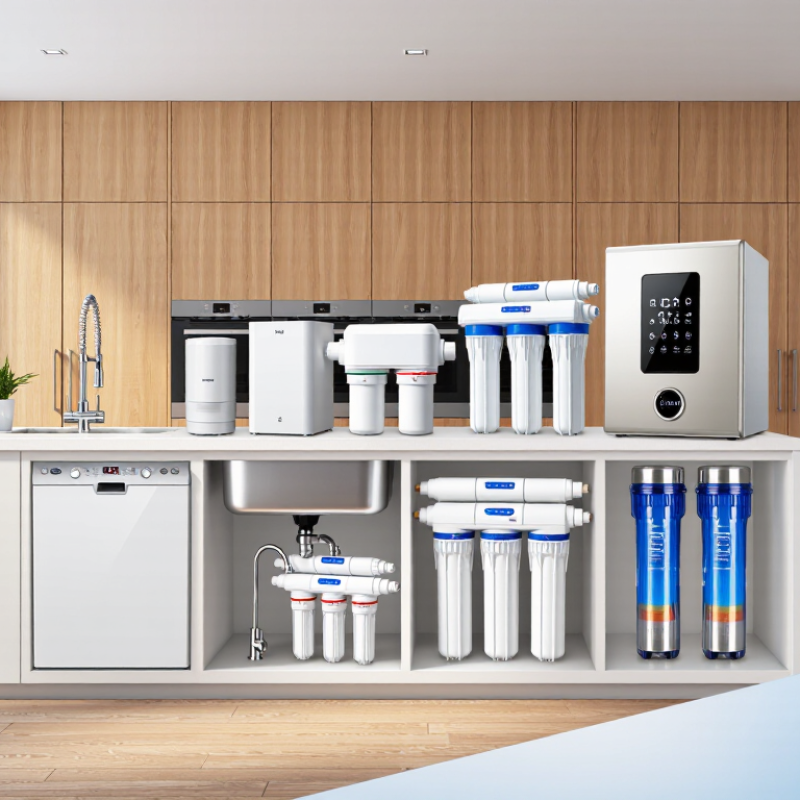
China’s home water filtration supplier landscape is broad, not uniform. Suppliers range from component-focused factories to manufacturers offering product design, assembly, and packaging. Some specialize in under-sink reverse-osmosis systems; others make countertop filters, pitchers, or whole-house equipment. The difference matters. A polished catalogue does not prove production depth or consistent quality. Ask which processes happen in-house and which are subcontracted.

A practical assessment starts with the exact system and its intended water conditions. Request product-specific test reports, material details, and applicable certifications for the target market. Check that performance claims match the tested model. Ask about rated flow, operating pressure, cartridge life, replacement availability, and leak testing. Then compare a production sample with the approved specification. Small differences can matter.

Factory visits or independent audits can help verify equipment, quality checks, and output capacity. Confirm minimum order quantities, lead times, packaging options, and after-sales support in writing. Avoid choosing on price alone. It can be tempting. Yet a low quote may exclude testing, spare cartridges, or technical assistance. Some suppliers communicate well but provide limited documentation; that gap deserves attention. Match the supplier’s capabilities to local water conditions, installation practices, and service needs before committing.
How Suppliers Are Evaluated and Ranked

A credible ranking of China’s home water filtration system suppliers should compare evidence, not polished sales claims. Product performance deserves close attention: reviewers can examine published flow rates, filter life, replacement intervals, and test reports for specific contaminants. The documents should identify test methods and sample conditions. Clear details matter.

Manufacturing capability also counts. A site visit or independent audit can reveal how incoming materials are checked, how assembly lines prevent leaks, and whether finished units undergo pressure testing. Reviewers should assess quality-control records, technical support, spare-part availability, and delivery consistency. Price matters, but a low quotation means little if replacement cartridges are difficult to source. That is imperfect. Supplier data may be incomplete, and a brief audit cannot predict every production issue.

For a fair comparison, each category needs a consistent scoring scale and documented evidence. Give more weight to verified performance and dependable quality systems than to marketing language. Treat certifications as useful signals, not automatic proof that every product meets every buyer’s needs. Ranking results should also reflect the intended market, water conditions, installation requirements, and after-sales expectations. Small differences in scoring can change the order, so reviewers should explain their method and disclose uncertainty. A neat table can look authoritative, yet the underlying evidence deserves more attention.

Profiles of Ten Leading Chinese Suppliers

Profiles of ten leading Chinese suppliers are most useful when they reveal what each factory can actually deliver. Compare membrane production, activated-carbon sourcing, whole-house system integration, and export experience. A supplier focused on compact under-sink units may not suit a hotel project requiring high daily flow. Look for test records, stated replacement intervals, and clear explanations of contaminant reduction. Ask whether performance figures come from independent testing or internal trials.

The WHO/UNICEF Joint Monitoring Programme reported that 2.2 billion people lacked safely managed drinking water in 2022. This global gap helps explain demand for treatment systems, but it does not prove any supplier’s product is effective. Review ten supplier profiles against the same checklist: production capacity, customization limits, quality-control steps, and after-sales support. Request a current test report for the exact model, not a similar product. A glossy catalog is not evidence.

Tips: Send one specification sheet to every shortlisted supplier. Compare flow rate, cartridge life, test methods, and spare-part availability. Check the factory’s response to a practical question, such as how it handles pressure changes or inconsistent feed water. Supplier profiles can still be incomplete; verify claims before making a purchase decision.

Comparing Filtration Technologies and Product Offerings

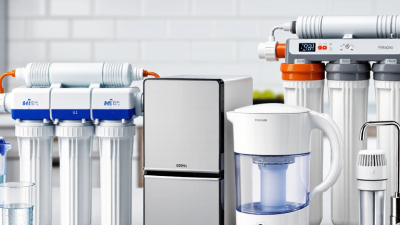
China’s home water filtration suppliers offer systems built around different treatment needs, rather than one technology that suits every household. Sediment cartridges catch visible particles such as sand and rust flakes. Activated carbon can reduce chlorine taste and odor, but its performance depends on media quality and replacement timing. Details matter. Ultrafiltration membranes retain many fine particles and microorganisms, while dissolved minerals generally pass through. Reverse osmosis removes a broader range of dissolved substances, but produces wastewater and needs suitable water pressure.

Some suppliers combine stages, such as sediment, carbon, and reverse osmosis, in a compact under-sink unit. Others offer countertop filters or whole-house housings with larger cartridges. Compare flow rate, rated capacity, cartridge availability, installation needs, and the contaminants each model has actually been tested for.

Ask for evidence. A specification sheet is useful, but test results should identify the test conditions and filter life. UV treatment may provide an additional microbial barrier, yet it does not remove sediment or dissolved chemicals. Buyers should match the system to a local water test and household use. Replacement costs are easy to overlook. Even a capable filter can disappoint when cartridges are changed late or the claimed performance does not match real operating conditions.

Key Factors for Choosing a Supplier in China

Choosing a home water filtration supplier in China starts with matching its products to your actual water conditions. Ask what contaminants each system is designed to reduce, and request test reports for the exact model under consideration. Ask for records. Check whether certificates identify the product, testing method, and issuing organization; a certificate for a different component offers limited reassurance. Confirm the supplier can explain filter media, housing materials, rated flow, and cartridge replacement intervals in clear, consistent terms.

Production capability matters, but so does quality control between batches. Request a recent inspection record, details of incoming material checks, and a sample for hands-on testing. Measure flow at your expected household pressure, inspect seals, and look for leaks after repeated use. Small details matter. Clarify minimum order quantities, lead times, packaging, spare-part availability, and how defects are handled. A polished catalogue can still leave practical questions unanswered. No checklist catches everything. If possible, compare written specifications with a factory or third-party inspection, and keep agreed tolerances in the purchase documents. Communication is another useful signal: timely, specific answers are more helpful than broad promises, though they cannot replace independent verification.

China Home Water Filtration Suppliers: Key Factors for Choosing a Supplier

Selected limits from China’s GB 5749-2022 drinking water standard. Use these contaminant benchmarks to discuss product testing and performance evidence with prospective suppliers.

Values shown are standard limits, not filtration performance claims. Confirm that a supplier’s test reports identify the tested model, reduction conditions, and applicable standard.