What Are China's Top 10 Home Water Filtration Systems?
China’s home water filtration system market offers many choices, from compact countertop units to under-sink reverse-osmosis systems. But a polished product page cannot tell you what is in your tap water. That matters. A filter that improves chlorine taste may not address dissolved salts, while a reverse-osmosis unit may need regular membrane replacement and a drain connection.
Water-quality researcher Dr. Shane Snyder offers a useful principle: “Choose treatment based on the contaminants in the water.” The wording here is a concise summary, not a verified verbatim quotation. His research focuses on water quality and treatment, making the underlying point relevant: test first, then match the technology to the result. A simple glass can reveal cloudiness; it cannot identify invisible contaminants.
This guide compares ten home water filtration system options available to Chinese households, including different installation styles and treatment approaches. We’ll look at filtration claims, certification evidence, capacity, maintenance needs, and the practical cost of replacement cartridges. Readers should also check whether a model’s documentation covers their specific water conditions; a familiar brand name is not enough. Some details are easy to overlook, especially filter lifespan and local service access. No ranking can settle every household’s needs. The best choice may be less impressive on paper, but more suitable beneath your kitchen sink.
How Home Water Filtration Systems Work in China
In many Chinese homes, filtration begins after treated municipal water reaches the kitchen tap. Water quality can vary by city, building plumbing, and storage tank condition. A sediment cartridge catches visible particles, such as rust flakes. Activated carbon then reduces chlorine taste and some odor-causing compounds. It cannot remove every dissolved contaminant. Details matter.
Ultrafiltration uses a fine membrane to hold back many particles and microorganisms, while allowing minerals to pass. Reverse osmosis pushes water through a denser membrane, reducing many dissolved salts and metals. It also sends some water to the drain, so installation and maintenance affect household use. Some systems add a carbon stage after the membrane to improve taste. Ultraviolet treatment can inactivate certain microorganisms, but it does not remove sediment or chemicals. Needs vary. A household with an old rooftop tank may need different attention from one with reliable building plumbing. Check local water-quality information, follow filter replacement schedules, and remember that a low total dissolved solids reading does not prove water is free of every health concern. Water reports and routine servicing are useful; neither makes neglect harmless.
The Main Types of Household Water Filtration Systems
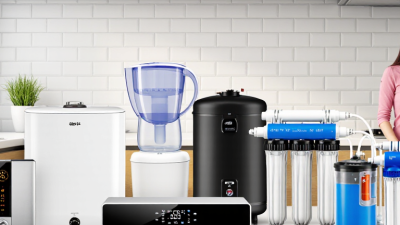
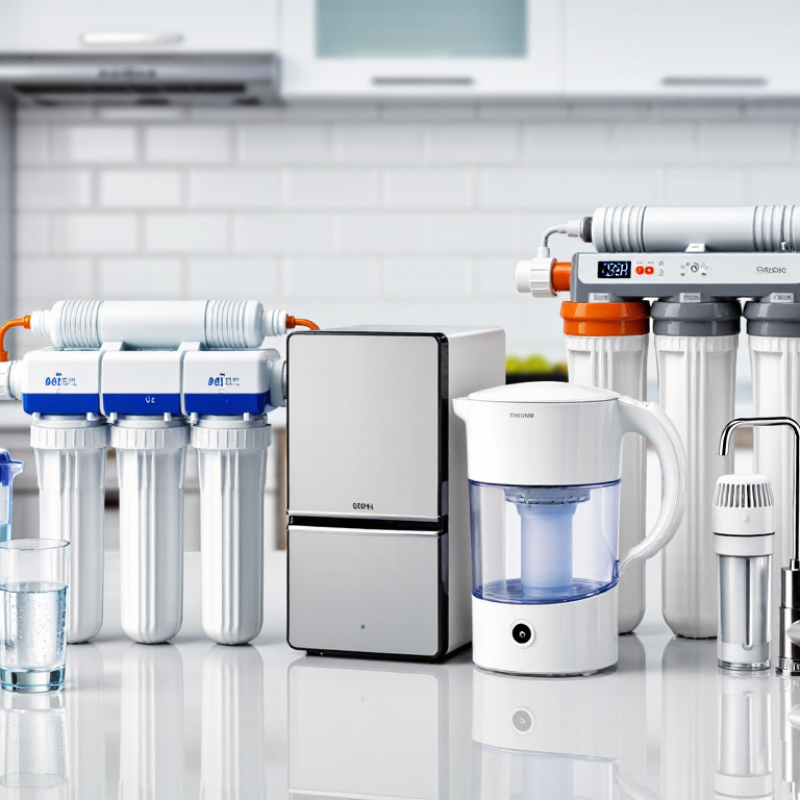
China’s household water filtration systems generally fall into point-of-use and whole-house designs. Point-of-use units treat water at one tap, often for drinking and cooking. Whole-house systems sit near the incoming supply and can reduce sediment or chlorine before water reaches multiple rooms. They need more space and careful sizing.
Sediment filters catch visible particles such as rust flakes and grit. Activated carbon can reduce chlorine taste and odor, though it does not remove every contaminant. Ultrafiltration uses a fine membrane to trap many particles and microorganisms, while reverse osmosis removes a broader range of dissolved substances. It also produces wastewater. Some homes use ultraviolet treatment to inactivate microbes, but UV does not remove particles or chemicals. It works best with clear water.
The right setup depends on the actual supply, not just a product label. Municipal water, a building’s old pipes, and private wells can present different concerns. Test the water when possible, then match the treatment method to the results. More stages are not always better. Filters need timely replacement, and an overdue cartridge may perform poorly. A useful detail: check whether replacement parts are easy to obtain before installation. That part is often overlooked.
Criteria for Evaluating China’s Top 10 Home Filtration Systems
What Are China’s Top 10 Home Water Filtration Systems?
Criteria for Evaluating China’s Top 10 Home Filtration Systems
A useful comparison starts with the water going into the home. Municipal water, well water, and older plumbing can present different concerns. Check whether a system’s test results name specific substances and show how much it reduces them. Clear, independent testing is more meaningful than a long list of filter stages. Details matter.
Daily use matters, too. Compare the rated flow with your household’s needs, and check the filter’s expected capacity and replacement cost. A compact unit may suit a small kitchen, while a larger household may need faster output. Look for clear installation instructions, accessible replacement parts, and responsive customer support. A polished screen or app can be helpful, but it does not prove filtration performance. I would not rank a system by appearance alone; that’s an easy mistake.
Tips: Check the fine print. Match the filter to a recent water-quality report, if available. Confirm that replacement cartridges are easy to find, and note whether the stated capacity assumes ideal conditions. Test claims can be hard to compare, so keep the limits in view.
A Comparative Overview of the Top 10 Systems
A useful comparison of ten home filtration systems starts with their treatment targets, not a single “best” label. Sediment filters catch visible particles; activated carbon can reduce chlorine taste and odor. Ceramic and ultrafiltration units retain many suspended particles and microbes, while nanofiltration and reverse osmosis address a broader range of dissolved substances. UV treatment inactivates susceptible microorganisms but does not remove chemicals. Distillation separates water through evaporation. Point-of-entry systems treat water entering the home; countertop and under-sink units serve specific taps.
WHO and UNICEF’s 2023 Joint Monitoring Programme report estimated that 2.2 billion people lacked safely managed drinking water in 2022. That global figure is context, not a measure of China’s household demand. For a practical comparison, check the exact contaminant-reduction claims and test conditions. NSF/ANSI 42, 53, 55, and 58 cover different performance areas, including taste, health-related contaminants, UV treatment, and reverse osmosis. Certification to one standard does not mean a unit removes everything.
Maintenance changes the comparison. A clogged sediment cartridge can slow a kitchen tap; neglected carbon media may lose effectiveness. Reverse osmosis systems also produce reject water, with amounts varying by design and operating conditions. The ranking is imperfect. Local water tests, available space, replacement costs, and daily water use may matter more than a long feature list.
Choosing, Installing, and Maintaining a Home Filtration System
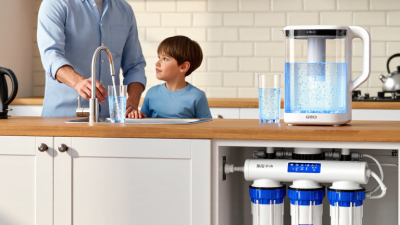
Choosing a home water filtration system in China starts with the water you actually use. Municipal supplies can differ by city, building, and pipe condition. Check local water-quality information, and consider testing tap water if you notice sediment, unusual taste, or staining. Match the system to the concern: a sediment filter catches visible particles, while activated carbon can reduce some tastes and odors. Reverse osmosis removes many dissolved substances, but it also needs a drain connection and may produce wastewater. Claims matter. Look for clear test results and replacement-filter specifications, not just impressive language.
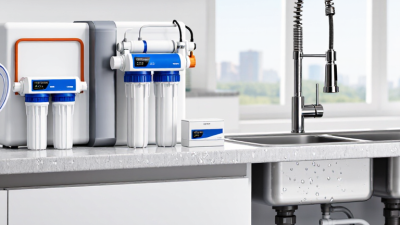
Before buying, measure the space beneath your sink and check the available water pressure, outlet, and plumbing connections. A compact unit may still need room for filter changes. Installation should follow the instructions, with shutoff valves closed and connections checked for leaks. If plumbing is unfamiliar, ask a qualified installer. Small details matter. A twisted tube or poorly seated cartridge can cause trouble later.
Maintenance is part of the purchase, not an optional extra. Replace cartridges at the stated interval, or sooner if water flow drops noticeably. Keep a simple log. Note the date, filter type, and any change in taste or pressure. After replacement, flush the system as directed and inspect fittings with a dry tissue for drips. I would not rely on taste alone; many water-quality changes are invisible. A system only performs as well as its upkeep.
Home Water Filtration: Typical Maintenance Intervals
Bars show the midpoint of common guidance ranges: sediment cartridges, 3–6 months; activated-carbon cartridges, 6–12 months; reverse-osmosis membranes, 24–36 months; and UV lamps, about 12 months. Actual schedules depend on the product, water quality, and household use—follow the system’s instructions.