How to Choose the Best Water Filter System?
Choosing the best water filter system begins with a simple question: what is in your water? A clear glass can still contain dissolved minerals, chlorine, or other contaminants. Start with your water utility’s quality report, or arrange a certified laboratory test for private-well water. Guessing is easy. It can also waste money.
Water-quality expert Dr. Joseph Cotruvo has emphasized matching treatment to identified water-quality concerns. In brief, his guidance can be paraphrased as: “Test first, then choose treatment for what is present.” That principle matters because carbon filters, reverse-osmosis systems, and other technologies do different jobs. Check independent certifications, such as NSF/ANSI standards, and confirm that the exact model is certified for the contaminant you want to reduce. A broad claim on a box is not enough.
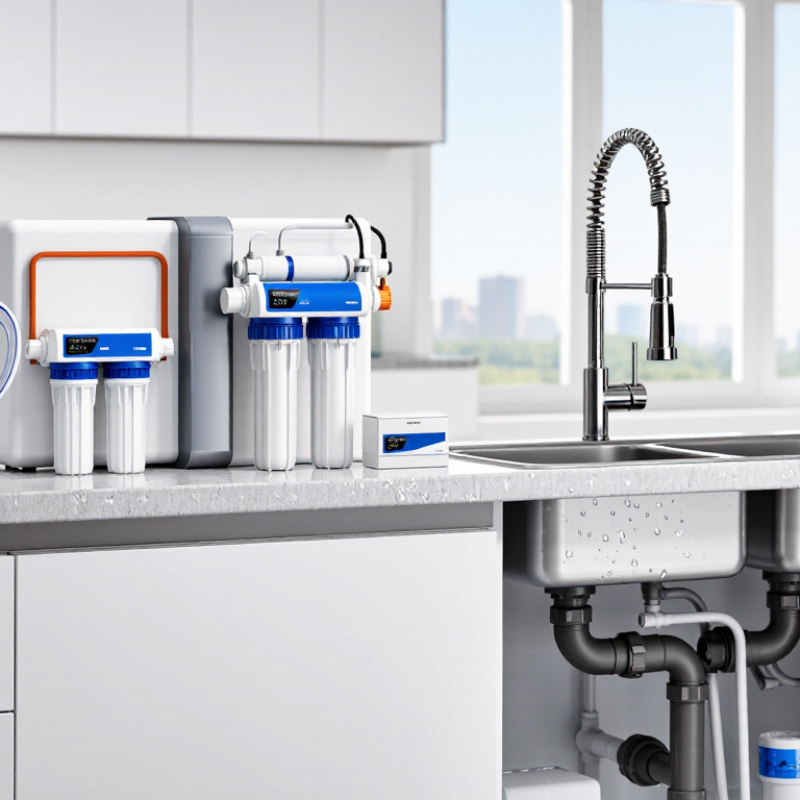
This guide compares common filter types, installation needs, costs, and maintenance. Picture the practical details: space beneath the sink, a slower faucet, replacement cartridges, and the taste of water after treatment. These details affect whether a system suits your home. Consider household size, daily water use, and the manufacturer’s replacement schedule. A filter that is rarely maintained may not perform as expected. Even a well-reviewed model may be the wrong fit. The best choice is not automatically the most expensive or the most advanced. It is the one supported by your water test, clear performance evidence, and a maintenance plan you can actually follow.
Identify Your Water Quality Concerns and Testing Needs
How to Choose the Best Water Filter System?
Identify Your Water Quality Concerns and Testing Needs
Water can look clear and still contain substances that affect its taste or safety. Start by noticing specific concerns: a chlorine smell, cloudy water, or scale around faucets. These clues are useful, but they cannot identify every contaminant. Appearance is not a test.
Check your local water quality report if your home uses a public supply. It can show which substances were measured and whether results met applicable standards. For a private well, arrange testing through a qualified laboratory, especially for bacteria, nitrates, and locally relevant contaminants. Test after flooding, repairs, or a change in taste. Keep the report; guessing from a glass is unreliable.
Test the water you actually plan to treat. A sample from the kitchen tap may differ from one collected before household plumbing, and older pipes can affect results. Ask the laboratory how to collect and store samples; small mistakes can distort findings. Not sure what to test for? Describe your water source, plumbing age, and concerns to a local water professional. I once assumed a metallic taste meant one particular problem. It did not. Retesting can be worthwhile when conditions change.
Compare Water Filter Technologies and Contaminant Removal
Choosing a water filter starts with knowing what is in your water.
A municipal water report can reveal disinfectants and common minerals, while a certified laboratory test may be useful for a private well. Cloudiness, taste, and odor offer clues, but they cannot confirm which contaminants are present.
Testing matters.
Filter technologies remove different substances.
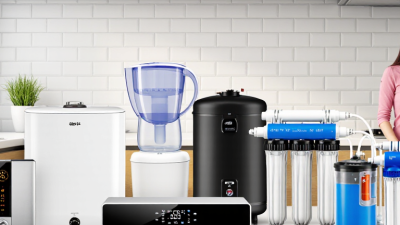
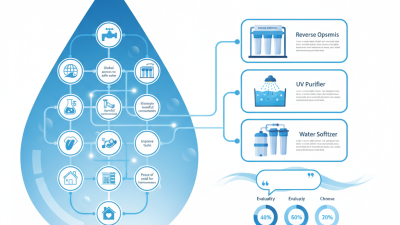
Activated carbon can reduce chlorine, odors, and some organic compounds, but it does not reliably remove dissolved salts or all microbes. Reverse osmosis can reduce many dissolved contaminants, though it also wastes some water and may remove beneficial minerals. Ceramic and hollow-fiber filters can capture particles and certain microorganisms, but their performance depends on pore size and certification.
No single system removes everything.
Check independent test results for the specific contaminants you need to reduce.
A filter certified for one substance may not address another. Also consider flow rate, replacement costs, and whether cartridges are easy to find. A slow trickle may be frustrating at the kitchen sink. Maintenance is easy to underestimate; an overdue cartridge can compromise performance.
Even a good system needs regular care.
Assess System Capacity, Flow Rate, and Installation Requirements
Choosing the best water filter system starts with your household’s actual water use.
A couple may need less capacity than a family of six. Check the cartridge’s rated volume, measured in gallons or litres, and compare it with daily consumption. A kitchen filter used for drinking and cooking has different demands from a whole-house system. That estimate can be wrong. Water quality, sediment, and frequent cooking can shorten cartridge life, so leave a practical margin.
Flow rate matters when several taps operate together.
A filter rated at eight litres per minute may perform well at ideal pressure, but its output can fall as the cartridge collects particles. Test the expected flow at your home’s pressure, not only the number printed on a product sheet. In my experience, slow filling becomes frustrating before people notice the filter needs replacement. Look for independent test data and clear performance conditions.
Installation requirements deserve equal attention.
Measure the available cabinet space, pipe size, and distance to the nearest shutoff valve. Some systems need a separate faucet, drain connection, storage tank, or electrical outlet. Reverse-osmosis equipment usually creates wastewater and requires careful drain installation. Whole-house units may need professional plumbing work and local code checks. Leave room to turn the housing during replacement. I once saw a filter installed tightly against a wall; changing it required removing the entire unit. A neat installation is not always a serviceable one.
Check Independent Certifications and Filter Replacement Needs
When choosing a water filter system, check independent certification before trusting a package claim. Standards such as NSF/ANSI 42, 53, and 58 address different treatment purposes. Certification does not mean a filter removes everything. It confirms specific reduction claims under defined testing conditions. The NSF certification database can show the tested contaminant and the certified model. That detail matters. A filter certified for chlorine may not reduce lead or certain chemicals.
Replacement needs deserve equal attention. The CDC advises following the manufacturer’s replacement schedule and maintaining household treatment devices carefully. A neglected cartridge can lose performance, restrict flow, or develop hygiene problems. Record the installation date on a small label inside the cabinet. Also check water taste, pressure, and cartridge capacity. A 300-gallon rating may arrive quickly in a busy household. It may last much longer in a one-person home. Those numbers are not interchangeable.
The WHO and UNICEF Joint Monitoring Programme reported that 2.2 billion people lacked safely managed drinking water in 2022. This figure shows why treatment decisions should start with local water data, not advertising language. Request a recent water-quality report from the local supplier, or use a properly accredited laboratory. One imperfect assumption is easy to make: clearer water is not always safer water. Certification costs, testing schedules, and replacement prices should be compared together. A low purchase price can become expensive when cartridges require frequent changes.
Match the Filter System to Your Household and Budget
Choosing a water filter starts with your household, not a glossy specification sheet. The WHO and UNICEF Joint Monitoring Programme reported that 2.2 billion people lacked safely managed drinking water in 2022. That figure is global, but it reminds us that “clean” depends on location and testing. Obtain your local water report, then test privately when lead, nitrates, or unusual odors are concerns. Your first assumption may be wrong.
For a small apartment, a certified countertop or under-sink unit can control costs and avoid installation work. Larger households may need higher flow rates, bigger cartridges, or a whole-house system. EPA’s 2024 Lead and Copper Rule Improvements estimate that about 9.2 million lead service lines remain in the United States. If lead is possible, look for independent certification against NSF/ANSI 53, not merely a general “purification” claim. Reverse osmosis systems, commonly evaluated under NSF/ANSI 58, can reduce dissolved contaminants, but they usually cost more and waste some water.
Budget for replacement cartridges, testing, plumbing changes, and electricity. A low purchase price can become expensive after several replacements. A simple filter may improve taste, yet fail to address a contaminant that matters in your area. That is the uncomfortable part. Recheck performance after installation, because pressure, usage, and maintenance change over time. If the filter lacks clear contaminant-reduction data, keep comparing.
How to Choose the Best Water Filter System?
Match the filter system to your household and budget
Typical costs shown are approximate U.S. consumer-market midpoints. Pitcher and faucet-mounted filters generally have the lowest initial cost, while under-sink and whole-house systems provide greater capacity but require higher installation and replacement budgets.
Cost estimates vary by water quality, filter capacity, household water usage, installation requirements, and replacement schedule. Replace filters according to the manufacturer’s rated capacity or service interval.