2026 Top Water System Types for Home Use
Choosing the right water treatment setup can feel confusing when every product promises cleaner, safer water. In 2026, homeowners have more options, including activated carbon filters, reverse osmosis units, UV systems, water softeners, and whole-house solutions. Each technology addresses different concerns. Some improve taste and odor, while others reduce specific minerals, microorganisms, or chemical contaminants.
A practical water system for home should match your water source, household size, plumbing layout, and daily habits. A small under-sink filter may suit an apartment with limited space. A whole-house system can support larger homes with hard water or unpleasant odors. Private well owners may need laboratory testing before selecting equipment. Municipal customers should review local water quality reports, although those reports cannot describe every household pipe.
This guide compares leading water system types for 2026 using practical performance, maintenance needs, installation demands, and long-term costs. The discussion considers guidance from water treatment professionals, manufacturer specifications, and recognized certification standards. Certification matters. It helps confirm whether a system can reduce the contaminants claimed by its label.
Still, no single system solves every water problem. Even experienced installers can misjudge needs without current test results. A filter that works well in one kitchen may perform poorly in another. Replacement schedules are easy to overlook. That weakness deserves attention. Reliable protection depends on testing, correct installation, timely maintenance, and realistic expectations. The best choice is not always the most advanced model. It is the system that fits your water and your routine.
Assessing Household Water Quality and Treatment Needs
2026 Top Water System Types for Home Use
Assessing Household Water Quality and Treatment Needs
Choosing a home water system should begin with testing, not advertising. Tap water may look clear while containing hardness minerals, sediment, or unpleasant odors. Review your local water report, then test water from the kitchen tap. Private well owners should test annually and after flooding, repairs, or unusual taste changes.
Different problems require different treatment. A sediment filter can catch visible particles before they reach appliances. Activated carbon may reduce chlorine taste and some organic compounds. Reverse osmosis can lower several dissolved contaminants at one drinking-water outlet, but it produces wastewater and needs regular maintenance.
Ultraviolet treatment can address microorganisms, yet it does not remove chemicals or cloudy sediment. A water softener targets hardness, not every water-quality concern.
Tips: Match the system to verified results. Replace filters on schedule. Check flow rate before installation. Keep test records. Ask a certified water professional to explain laboratory results in plain language. Avoid systems promising to solve every problem. That claim deserves doubt.
I would not choose a whole-house system automatically. It may be unnecessary when only drinking water needs improvement. Conversely, strong odors at every faucet may justify broader treatment. Maintenance is where many plans fail. A neglected filter can reduce performance and create new hygiene concerns. Household water needs also change after plumbing work, seasonal well shifts, or family health changes. Re-test when the water behaves differently.
Comparing Whole-House and Point-of-Use Water Systems
2026 Top Water System Types for Home Use
Comparing Whole-House and Point-of-Use Water Systems
Whole-house systems treat water as it enters the property. They can reduce sediment, chlorine taste, and some dissolved contaminants throughout the plumbing. This matters when showers, laundry, and cooking all depend on the same supply. However, treatment targets must match verified water-test results. A broad filter is not automatically a complete solution.
Point-of-use systems work at one outlet, such as a kitchen faucet or refrigerator line. They often provide more focused treatment for drinking and cooking water. Installation may be simpler, and replacement costs can be easier to track. The trade-off is limited coverage. Bathroom taps and shower water remain untreated.
Check the details.
A qualified water professional can interpret laboratory results, flow rates, and maintenance requirements. Municipal water reports offer useful background, but they may not reflect conditions inside an older home. Private wells need regular testing, especially after flooding or nearby construction.
Filter capacity also deserves attention. A clogged cartridge can reduce pressure and encourage poor maintenance habits. One practical mistake is choosing a system by contaminant list alone. Household size, plumbing age, water use, and available installation space matter too.
I would also question any promise of “complete” purification. Even a well-designed system needs timely servicing, documented test results, and realistic expectations.
Exploring Filtration, Softening, and Reverse Osmosis Options
2026 Top Water System Types for Home Use
Choosing a home water system starts with testing, not guessing. A laboratory report can reveal sediment, chlorine, hardness, or dissolved contaminants. Filtration is often the practical starting point. Sediment filters catch sand and rust, while activated carbon can reduce chlorine taste and odor. Filter size matters. A narrow cartridge may restrict flow during morning showers.
Water softeners address hardness caused mainly by calcium and magnesium. They use an exchange process to reduce scale on faucets, heaters, and glass doors. In real homes, the difference can appear as fewer white spots on a kettle. Softening does not remove every contaminant. It also adds sodium or potassium, depending on the system. Households should consider plumbing design, discharge rules, and dietary needs.
Reverse osmosis offers deeper treatment. Water passes through several stages before crossing a semi-permeable membrane. This can reduce many dissolved substances, but the system usually produces wastewater. Storage tanks also need cleaning and periodic replacement. I have found that homeowners sometimes focus on purity and overlook flow rate. That choice can cause frustration when a small tank empties during cooking. A reliable setup matches the water report, household size, maintenance habits, and available space. No system is perfect. Even good equipment needs timely service and honest performance checks.
Evaluating Smart, UV, and Specialized Home Water Systems
In 2026, home water systems are becoming more targeted and measurable. Smart filtration units track flow, filter life, and unusual pressure changes. Some send alerts before water quality visibly changes. However, an app cannot replace laboratory testing. A basic test can reveal hardness, lead, nitrates, or bacterial concerns. That information helps homeowners choose equipment based on evidence, not attractive screens.
Ultraviolet systems can reduce microorganisms when water is clear and the lamp receives enough power. They do not remove hardness, metals, or chemical tastes. The lamp also needs regular replacement, even when the water looks clean. Specialized systems address specific problems. Water softeners reduce scale on shower glass and kettle elements. Iron filters may help with orange stains. Whole-house carbon systems can improve chlorine taste, but performance depends on contact time and maintenance.
Tips: Test your water before buying equipment. Check certification against relevant safety standards. Watch the inlet pressure and keep service records. Smart alerts are useful, but they can fail. A neglected cartridge can quietly reduce performance. Ask whether the system still protects your household during a power outage. I have found that simple maintenance reminders often work better than complicated dashboards. Do not trust appearance alone. Clear water is not automatically safe.
Selecting the Best Water System for Cost, Space, and Maintenance
2026 Top Water System Types for Home Use
Selecting a home water system starts with evidence, not attractive packaging. The U.S. Environmental Protection Agency estimates household leaks waste nearly 1 trillion gallons of water annually. A simple meter check may reveal a hidden cost before you purchase equipment. Test tap water for hardness, chlorine, lead, nitrate, and microbial risks. Private-well owners should test at least annually, according to the Centers for Disease Control and Prevention.
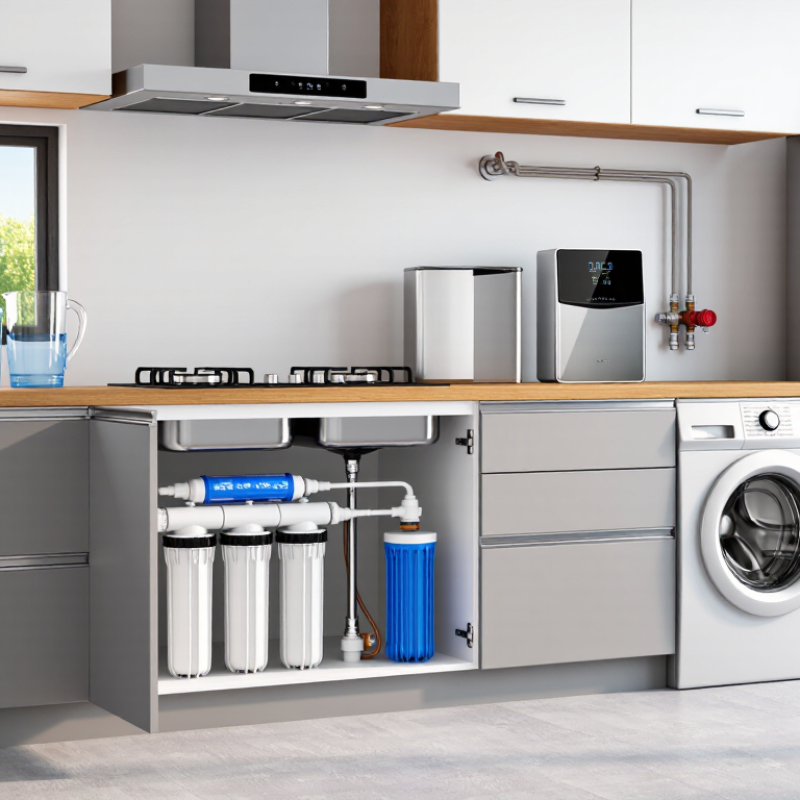
For limited space, a point-of-use carbon filter is usually practical. It reduces selected tastes, odors, and chemicals, but it cannot solve every contaminant problem. Reverse osmosis needs more cabinet room, replacement filters, and wastewater handling. NSF/ANSI 58 certification can help verify reverse-osmosis performance, although certification does not guarantee removal of every local contaminant. Small homes often pay more for convenience. That seems easy to overlook.
Whole-house filtration suits homes with sediment or unpleasant odors at several taps. A water softener may protect pipes and appliances from scale, yet it requires salt, drainage, and regular settings checks. Ultraviolet treatment can address microorganisms, but clear water and dependable electricity remain necessary. EPA WaterSense research also shows that efficient fixtures reduce household water use, so system sizing matters. Bigger is not automatically better. Maintenance records, replacement-part prices, installation access, and local water reports should influence the decision. I would still leave room for doubt: water chemistry changes, and a system that worked last year may need retesting.
2026 Top Water System Types for Home Use
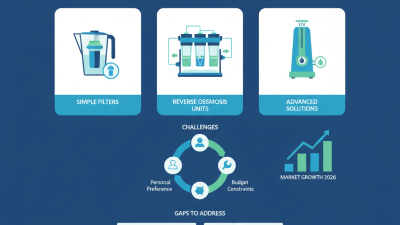
Estimated annual replacement-filter and routine consumable costs (USD)
Costs are approximate U.S. ranges and vary with water quality, household use, and replacement schedules. They exclude installation, water, and electricity. Pitchers and faucet-mounted filters generally need little space; under-sink systems use cabinet space, while whole-house systems need a suitable installation area. Check filter-change intervals and local water conditions before choosing.