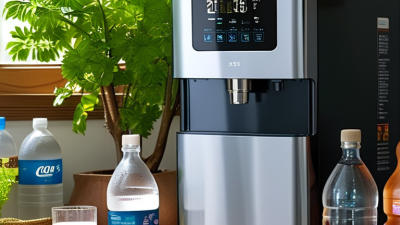
Top Tips for Choosing a Drinking Water Filtration System?
Access to clean drinking water is essential for health. According to the World Health Organization, 2.2 billion people lack safe drinking water. Choosing the right drinking water filtration system can drastically improve water quality. Each system targets different contaminants. Understanding your water source is crucial.
Many households face issues like lead, chlorine, and bacteria. Research shows that nearly 20% of urban homes have lead in their tap water. A reliable filtration system can reduce these risks. Filter types range from activated carbon to reverse osmosis. Each comes with its benefits and limitations.
Investing in a drinking water filtration system requires careful consideration. Quality can vary significantly between brands. Certification from organizations like NSF International adds trust. Still, personal research is paramount. Not every system is perfect for every situation. Consider your water quality report and budget before making a decision. Analysis can lead to better choices.
Understanding Your Water Quality Needs
Understanding your water quality needs is vital in selecting the right drinking water filtration system. Every source of water varies in contaminants. Testing your water is essential to identify specific issues. Look for common contaminants, such as chlorine, lead, or bacteria. A comprehensive water test will provide a clearer picture.
When choosing a system, consider the filtration methods. Activated carbon filters can effectively remove chlorine taste and odors. Reverse osmosis systems are excellent for removing heavy metals. However, they may waste some water in the process. It's important to weigh the pros and cons based on your water quality analysis.
Think about the maintenance requirements too. Some systems require regular filter changes, while others need professional servicing. Track record and reliability are worth considering. Research user reviews and expert opinions. A filtration system is an investment in health. Ensure it meets your specific needs and offers peace of mind in every sip.
Types of Drinking Water Filtration Systems Explained
Choosing the right drinking water filtration system can be challenging. Several options are available, each with benefits and drawbacks. Understanding these systems is essential for making an informed choice.
Activated carbon filters are one of the most common types. They effectively reduce chlorine and improve taste and odor. However, they have limitations. They may not remove heavy metals or bacteria. Studies show that these filters can improve water quality significantly, but they require regular replacement to maintain effectiveness.
Reverse osmosis systems offer a more thorough filtration process. These systems remove impurities and contaminants effectively. Many reports note that they can remove up to 99% of lead and other harmful substances. However, they may waste water during operation. The efficiency of these systems raises questions about long-term sustainability. Users must consider how often they will need to replace filters and how much water will be wasted.
Ultraviolet (UV) purifiers are another option. They use UV light to kill harmful microorganisms. While effective, they do not remove chemical contaminants. Users should evaluate their specific water quality needs. Selecting the wrong system can lead to ongoing health issues or dissatisfaction with water quality. Balancing effectiveness and practicality is crucial when making your choice.
Key Features to Look for in Filtration Systems
When selecting a drinking water filtration system, it's crucial to focus on key features. Consider the filter's removal capabilities. High-quality systems target contaminants, including chlorine, lead, and bacteria. Look for independent certifications, which provide evidence of tested efficiency. These certifications ensure that the claims made by manufacturers are credible.
Another essential feature is flow rate. A system with a reasonable flow rate can ensure that water delivery meets your household needs. Too slow, and you may face frustration during daily use. Size also matters; choose a unit that fits your home. Not all spaces are suitable for bulkier options.
Some systems may require regular maintenance, so consider ease of use. Changing filters shouldn’t feel like a chore. Monitor how often filters need replacement. If they last longer, it often means better quality. Reflect on your specific water source, as well. A system best suited for municipal water may not work well for well water. Each situation is unique.
Evaluating Cost and Maintenance Requirements
When choosing a drinking water filtration system, cost and maintenance are crucial factors. A diverse range of systems exists, from basic filters to advanced reverse osmosis units. Initial purchase prices vary significantly. Some systems may seem affordable but can rack up costs through additional filters and replacement parts. Researching long-term expenses is essential.
Maintenance requirements can be overlooked. Many consumers forget to consider how often filters need changing. Some systems require frequent replacements, while others can last longer. Regular maintenance not only ensures efficiency but also impacts water quality. Ignoring maintenance can lead to decreased performance and potential health risks.
It's important to assess your household's water usage. Larger families might benefit from a system with higher capacity, yet also face higher operating costs. Sometimes, a more expensive model may save money in the long run due to lower maintenance needs. Balancing initial costs against ongoing expenses is vital for sustainable choices. An informed decision can enhance water safety and budget management.
Finding Reliable Brands and Customer Reviews
When choosing a drinking water filtration system, customer reviews are crucial. They provide insights into real-life experiences. According to the National Research Council, clean water impacts health significantly. Understanding what other customers say can guide your choice.
It's essential to seek reliable brands. Look for certifications from reputable organizations. These certifications ensure the product meets industry standards. Pay attention to the feedback on filtration performance. Some users report water tasting better after filtration. Others highlight issues with maintenance and filter replacements. Reviews may reveal common problems, such as reduced flow rates over time.
Here’s a tip: analyze both positive and negative reviews. This helps create a balanced perspective. Don't just rely on brand image; see what actual users experience. Another tip is to check for detailed reviews that dive deep into filtration effectiveness. Test results in professional reports can lend authority. These details help form a reliable choice based on what truly matters.