Kinetico Water

How to Choose the Best Water Filtration System?

Choosing the best water filtration system starts with understanding your water, not chasing the most expensive model. A clear glass may still contain unwanted chemicals or microorganisms. In practice, taste, odor, hardness, and visible sediment often reveal only part of the problem. A chlorine smell, cloudy ice, or white kettle scale can provide useful clues. They cannot replace proper testing.

The right system depends on your water source, household size, budget, and daily habits. Municipal water and private well water require different checks. Start with a recent water quality report or a certified laboratory test. Look for relevant certifications, such as NSF/ANSI standards, and match them to specific contaminants. Certification is not a magic shield. Read the exact claim.

Think beyond the filter cartridge. Measure available space under the sink, expected flow rate, replacement cost, and installation requirements. A reverse osmosis unit may reduce many dissolved substances, but it can waste water and require regular maintenance. Carbon filters can improve taste and odor, yet they are not universal safeguards. Some systems remove too little. Others promise too much.

Maintenance is easy to underestimate. A neglected cartridge may restrict flow or reduce performance. Keep a replacement schedule near the sink. Record installation dates and test results. This guide compares common water filtration options through practical evidence, manufacturer specifications, and independent guidance. It also questions convenient assumptions, because the best choice is not always the newest, smallest, or cheapest system.
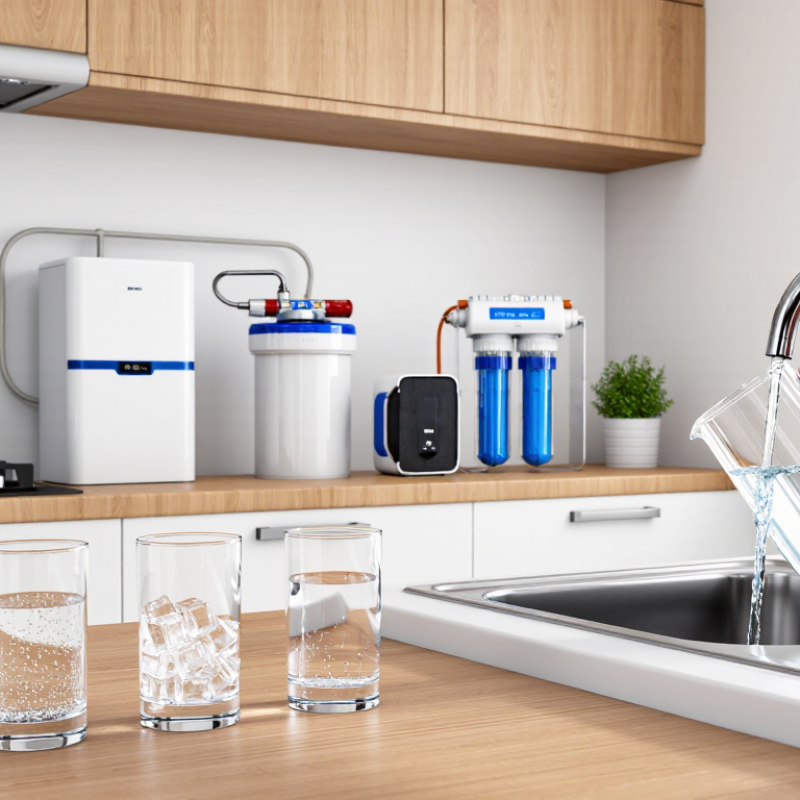
How to Choose the Best Water Filtration System?

Understanding Water Quality and Filtration Needs

Choosing a water filtration system starts with understanding the water entering your home. Tap water may contain chlorine, sediment, hardness minerals, or traces of metals. Well water can present different concerns, including bacteria, nitrates, and unpleasant odors. The clearest answer comes from a recent laboratory test, not taste alone.

Taste can mislead.

I once assumed clear water was safe, but appearance reveals very little. Review your local water report, then confirm uncertain results through an independent laboratory. A filter should target identified contaminants rather than promise to remove everything. Activated carbon can improve chlorine taste and odor, while sediment filters capture visible particles. Reverse osmosis may reduce several dissolved substances, but it can waste water and requires pressure, space, and regular maintenance.

Your household habits matter too. A family using several bathrooms needs stronger flow than a single occupant. Check the system’s rated capacity, replacement schedule, installation limits, and certification against relevant filtration standards.

A neglected cartridge can become less effective, even when the water still looks normal. That detail is easy to overlook. I would also consider wastewater, filter disposal, and whether replacement parts remain available locally.

These practical issues often matter more than a polished product description. Test again after installation when the original concern involves health-related contaminants, because performance depends on setup, water pressure, and maintenance.


Comparing Main Types of Water Filtration Systems

Choosing a water filtration system starts with identifying the problem, not buying the largest unit. Sediment filters catch sand, rust, and visible particles. Carbon filters reduce chlorine, unpleasant odors, and some organic compounds. They improve taste quickly. However, they do not reliably remove dissolved minerals, nitrates, or every contaminant.

Reverse osmosis systems can reduce many dissolved substances, including some metals and salts. They need water pressure, regular filter changes, and wastewater management. Ultraviolet systems can deactivate many microorganisms, but they do not remove chemicals or cloudy particles. Ion-exchange systems are useful for hard water because they reduce calcium and magnesium. They may not address broader water-quality concerns.

My first mistake was treating “cleaner” as one simple goal. Household testing and a recent local water report provide better evidence. A qualified water professional can help interpret unclear results. For a whole-house setup, sediment and carbon stages may protect plumbing and improve bathing water. For drinking water, reverse osmosis or a certified carbon unit may be more suitable. Check independent testing for the specific contaminant involved. Certification matters. Replace cartridges on schedule, even when the water still tastes fine. Small details matter. A neglected filter can lower performance and create hygiene concerns. Some systems also alter water taste, pressure, or mineral content, which users may not expect.

Evaluating Filter Performance, Capacity, and Maintenance

How to Choose the Best Water Filtration System?

A reliable system starts with measured filter performance, not attractive packaging. Check which contaminants the filter reduces and whether independent testing supports those claims. A certified test report is more useful than vague words like “pure” or “advanced.” Compare reduction rates for sediment, chlorine, metals, or microorganisms relevant to your water supply. Private wells and municipal water can present very different risks. A recent water test gives you a stronger starting point than guesswork.

Capacity affects daily convenience and long-term cost. A small cartridge may work for one person, but a busy household can exhaust it quickly. Review the rated volume, flow rate, and replacement schedule. Watch the water pressure, too. A filter that slows to a trickle becomes frustrating, even when performance remains strong. In practical use, I would record refill times for one week. My first estimate may be wrong.

Tips: Choose a system with a clear replacement indicator. Keep spare cartridges dry and sealed. Mark the installation date on the housing. Follow the maintenance instructions, including flushing after replacement. Neglected filters can collect trapped material and reduce flow. Cleaning is not always enough. Some parts require replacement. Also check whether the cartridge is easy to access under your sink. A technically excellent system is a poor choice if maintenance needs special tools or gets postponed.

Checking Installation Requirements, Costs, and Certifications

Choosing a water filtration system starts with your home, not a glossy specification sheet. Measure the cabinet space, water pressure, pipe size, and distance to the drain. An under-sink unit may need an extra faucet hole and a nearby power outlet. Whole-house systems usually require a bypass valve, floor drainage, and enough room for cartridge replacement. Space matters.

I once underestimated maintenance access and had to move stored supplies before changing a filter. That small mistake made routine servicing frustrating. Ask a qualified plumber to inspect connections and confirm pressure limits. Request a written installation quote, including valves, drilling, labor, disposal, and possible repairs. Compare the purchase price with replacement filters, testing, electricity, and service visits over several years.

Certification deserves careful checking. Look for independent testing against a relevant NSF/ANSI standard, then confirm the exact model and contaminant claims. A certificate may cover lead reduction but not bacteria, hardness, or every chemical concern. Read the fine print. Review your local water report, and test private well water through an accredited laboratory before choosing treatment. Certified installation also improves reliability, although certification cannot correct poor maintenance or unsuitable plumbing. Be cautious with claims promising “pure” water without test results, maintenance instructions, or clear performance data.

Selecting the Best System for Your Home or Workplace

Choosing the best water filtration system depends on where it will work and who will use it. A quiet home kitchen may need a simple under-sink filter. A workplace with fifty employees needs higher flow, larger capacity, and easier maintenance. Start by checking your local water quality report. Then test the water if taste, odor, hardness, or staining remains unclear.

Look beyond attractive claims. Compare the contaminants removed, filter life, water pressure, and replacement cost. Independent certification against recognized NSF/ANSI standards can support a product’s performance claims. For a home, measure the cabinet space and check whether installation needs a plumber. For an office, consider drinking fountains, coffee machines, and peak usage before choosing a point-of-use or whole-building system. Slow service creates daily frustration.

I once chose a compact filter because it looked efficient. It clogged quickly in hard water. That mistake taught me to match capacity with actual conditions, not appearance. Maintenance matters more than many buyers expect. Keep a written replacement schedule, inspect connections for leaks, and record unusual taste or pressure changes. In a workplace, assign one trained person to check the system and retain service records. Ask a qualified water professional when test results show lead, bacteria, or other serious contamination. Even then, advice should be based on current laboratory evidence, not a sales promise.

How to Choose the Best Water Filtration System? - Selecting the Best System for Your Home or Workplace

Filtration System Main Contaminants or Issues Addressed Typical Filtration Performance Water Flow and Capacity Maintenance Requirements Water Waste Best Use Important Limitations
Sediment Filter Sand, silt, rust particles, and other visible suspended solids Physically traps particles; performance depends on the filter's micron rating Generally supports good flow when correctly sized; clogs as sediment accumulates Replace or clean when pressure drops or the filter becomes visibly dirty None during normal operation Protecting plumbing, appliances, and downstream filters Does not remove dissolved chemicals, hardness, microorganisms, or most unpleasant tastes
Activated Carbon Filter Chlorine, unpleasant tastes, odors, and selected organic compounds Effectiveness varies by carbon type, contact time, water chemistry, and certified contaminant claims Usually provides moderate to high flow for point-of-use or point-of-entry applications Replace cartridges according to capacity, time, or manufacturer instructions to prevent performance decline None during normal operation Improving drinking-water taste and reducing chlorine-related odors Not a universal treatment; ordinary carbon filters do not reliably remove hardness, nitrate, or all microorganisms
Reverse Osmosis Many dissolved salts, some metals, nitrate, fluoride, and total dissolved solids Uses a semipermeable membrane and can substantially reduce many dissolved contaminants when properly maintained Lower flow than simple carbon filters; commonly installed at a kitchen tap or other point of use Requires prefilter and postfilter replacement; membrane life depends on water quality and maintenance Produces a reject-water stream; the amount varies by system design and operating conditions Drinking and cooking water when dissolved contaminants are a confirmed concern May remove beneficial minerals, requires adequate pressure, and does not automatically disinfect every microbial risk
Ultraviolet Disinfection Bacteria, viruses, and other microorganisms that are exposed to sufficient UV energy Inactivates microorganisms rather than physically removing them; effectiveness depends on UV dose and water clarity Can treat continuous household or workplace flow when correctly sized Keep the quartz sleeve clean and replace the UV lamp at the recommended interval, commonly about once per year None during normal operation Microbiological protection for treated, relatively clear water Does not remove chemicals, metals, sediment, or taste; prefiltration may be necessary because cloudy water can shield microorganisms
Ion Exchange Softener Calcium and magnesium that cause water hardness and scale Exchanges hardness ions with sodium or potassium ions; capacity depends on resin size and regeneration settings Suitable for whole-house treatment when sized for peak household flow Requires periodic regeneration and replenishment of salt or potassium chloride; resin may require eventual replacement Uses water during regeneration and produces a brine discharge Reducing scale in pipes, water heaters, laundry, and bathroom fixtures Does not generally remove microorganisms or most organic chemicals; treated water may contain more sodium
Whole-House Treatment System Can combine sediment, carbon, softening, or specialized media for a specific incoming-water problem Performance depends entirely on the treatment stages, sizing, and verified contaminant-reduction claims Designed to supply multiple outlets, but pressure loss increases as filters load Requires regular inspection and replacement of multiple media, cartridges, lamps, or salt supplies May be none, or may include reject water and regeneration discharge depending on the technologies used Homes or workplaces needing treated water at showers, sinks, appliances, and other outlets Higher installation complexity; a water test should guide the combination of treatment stages
Point-of-Use Drinking-Water System Targets water used for drinking and cooking at a specific tap May use carbon, reverse osmosis, ultrafiltration, or combinations; verify the exact certified claims Provides treated water at one or a few outlets; storage tanks may be used to improve availability Filter replacement is essential because exhausted cartridges can reduce water quality and flow Usually none for carbon or ultrafiltration; reverse osmosis models produce reject water Apartments, rented properties, offices, and homes focused on drinking water Does not treat water at showers, washing machines, or other untreated outlets

Selection guidance: Test the source water first, identify the specific contaminants of concern, compare independently verified performance claims, and select a system with sufficient flow rate and capacity for the intended number of users.