Kinetico Water

What Is the Best Water Softener System for Home in 2026?

Choosing the best water softener system for home in 2026 starts with a simple question: what is actually in your water? The U.S. Geological Survey identifies dissolved calcium and magnesium as the main causes of hardness. Its water-quality work also shows why local testing matters: water conditions vary by source and region. A hard-water reading can explain crusty faucet aerators, stiff towels, or scale around a kettle. It cannot, by itself, tell you whether a household needs a softener or another treatment.

A practical paraphrase of drinking-water scientist Dr. Joseph Cotruvo’s guidance is: “Test first, then match treatment to the measured problem.” That is a useful rule, not a substitute for his exact words. The Water Quality Association’s technical guidance and NSF/ANSI 44 standard offer further reference points for residential cation-exchange softeners. Still, certification and a polished product page do not answer every household question. Check capacity, regeneration settings, salt use, maintenance needs, and whether the unit is sized for your water hardness and daily demand. Details matter. A compact system may suit a small home, while a busy household may need more capacity. And the “best” choice is not always the most expensive one. This guide compares system types, performance claims, and ownership costs, while noting where evidence is limited. That distinction is easy to overlook.
What Is the Best Water Softener System for Home in 2026?

What a Home Water Softener System Does

A home water softener changes water chemistry; it does not simply filter out dirt. In common ion-exchange systems, water passes through resin beads that capture calcium and magnesium, the minerals behind most hardness. Sodium or potassium ions take their place.

The U.S. Geological Survey classifies water containing 121–180 milligrams per liter of calcium carbonate as hard, and levels above 180 as very hard. That measurement helps explain why a kettle may collect white scale while soap struggles to lather. Small clues.

During regeneration, the system flushes the resin with a concentrated salt solution, then sends the rinse water to a drain. The U.S. Geological Survey’s Water Science School notes that hardness reflects dissolved calcium and magnesium, not a broad measure of water safety. That distinction matters: softening can reduce scale on taps, heaters, and showerheads, but it does not disinfect water or reliably remove contaminants such as nitrate.

It is not a complete treatment system.

I would check a recent water test and the unit’s capacity before choosing one; household size alone can be misleading.

There is a trade-off, too: ion exchange adds sodium to softened water, and regeneration uses water and salt. A softener may help with hard-water problems, but it can be the wrong fix for a different water-quality concern.
How Water Softening Works

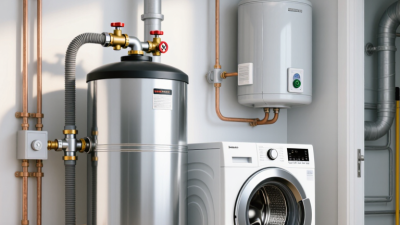
A water softener does not usually filter hardness out of the water. In a common salt-based system, water passes through a tank of small resin beads. These beads carry sodium or potassium ions. Calcium and magnesium, the minerals that cause hardness, stick to the resin and are exchanged for those ions.

The change is easy to notice. A kettle may collect less chalky scale, and soap can lather more readily. The water may also feel slick on skin; that sensation is not proof of a problem. It reflects how softened water behaves, though personal preference varies.

The resin eventually fills with calcium and magnesium. A regeneration cycle rinses it with salty brine, sending the collected minerals to a drain and restoring the resin. This uses water and salt, so settings and maintenance matter. A household water test can show hardness levels and help guide system sizing. Well water may need testing for iron or other issues that affect performance. Softening is not the same as removing every contaminant. Also, people limiting sodium may want to discuss softened water with a healthcare professional or use an unsoftened tap for drinking. Real homes are not always textbook cases. A system can be correctly installed and still need adjustment as water use changes.

Types of Water Softener Systems for Homes

What Is the Best Water Softener System for Home in 2026?

Types of Water Softener Systems for Homes

The right system depends on your water test, household size, and plumbing. The USGS classifies water above 120 mg/L of hardness, measured as calcium carbonate, as hard. A lab or certified test can show whether calcium and magnesium are behind crusty taps, stiff towels, or spots on glassware. Those clues help, but they are not a substitute for a measurement.

Ion-exchange softeners are a common choice for reducing hardness. They capture calcium and magnesium on resin beads, then regenerate with a salt solution. Dual-tank models can keep supplying softened water during regeneration, though they need more space and upkeep. Salt-free conditioners are different: many limit scale formation but do not remove hardness minerals. That distinction matters. NSF/ANSI 44 sets performance requirements for residential cation-exchange water softeners; check for independent certification rather than relying on broad claims.

Tips: Test untreated water first, and compare the result with your expected daily use. Check drain access, salt storage, and installation space. A system that is oversized may regenerate inefficiently; one that is undersized can run short during busy mornings. I would also ask an installer to explain the settings in plain language—some manuals make a simple adjustment feel harder than it is.

Factors for Comparing Water Softener Systems in 2026

What Is the Best Water Softener System for Home in 2026?

Factors for Comparing Water Softener Systems in 2026

A sound comparison starts with your water, not a product’s advertised capacity. Test hardness at the tap, or review a recent utility report. Start with a test. The USGS Water Science School classifies water as hard at 121–180 mg/L and very hard above 180 mg/L, measured as calcium carbonate. That reading helps estimate treatment needs, but it does not identify every issue. Private wells may need separate testing for iron or manganese.

Match system capacity to household use and the measured hardness. A unit that regenerates too often can waste salt and water; an oversized one may cost more than your needs justify. It is easy to overbuy. Compare stated capacity, salt use, and water use per regeneration, and check whether settings can reflect your household’s demand. Look for independently verified compliance with NSF/ANSI 44, a standard covering residential cation-exchange water softeners.

Installation details matter, too. Check the unit’s footprint, drain access, bypass valve, and ongoing maintenance requirements. Ask how often resin or other components may need attention, and what service entails. A softener is not a general purifier. If taste, sediment, or other contaminants are concerns, choose tests and treatment suited to those specific problems; hardness alone cannot guide that decision.

What Is the Best Water Softener System for Home in 2026? - Factors for Comparing Water Softener Systems in 2026

System Type How It Works Hardness Reduction Typical Capacity or Sizing Factor Maintenance and Operating Needs Best Suited For Key Trade-Off
Single-tank salt-based ion exchange Resin beads exchange hardness minerals, mainly calcium and magnesium, for sodium or potassium ions. Effectively removes hardness when correctly sized and maintained. Choose capacity based on household water use, measured hardness, and iron content. Residential units commonly range from about 24,000 to 64,000 grains per regeneration. Requires periodic salt replenishment and brine-tank checks. The unit regenerates with a salt solution and sends rinse water to a suitable drain. Most homes seeking reliably soft water throughout the house. Adds a small amount of sodium to treated water when sodium chloride is used; regeneration uses water and produces brine discharge.
Demand-initiated ion exchange Uses the same ion-exchange process, with a meter or controller scheduling regeneration according to water use and programmed settings. Effectively removes hardness when properly configured. Size according to peak household demand and the combined daily hardness load, rather than household size alone. Needs salt and occasional inspection. Regeneration is generally based on measured or estimated usage instead of a fixed calendar schedule. Households looking to reduce unnecessary regeneration compared with a basic timer-controlled setup. Still needs salt, a drain connection, and correct programming; efficiency varies by settings and water conditions.
Dual-tank ion exchange Two resin tanks alternate so one can treat water while the other regenerates. Effectively removes hardness, including during regeneration when the system is correctly installed. Size each tank for the home’s hardness load and expected water demand; capacity varies by model and resin volume. Requires salt, a brine tank, and a drain. More components may require additional installation space and servicing. Large households, high-demand homes, or homes where continuous soft-water availability is important. Typically more complex and space-intensive than a single-tank system.
Salt-free scale conditioner Some systems use template-assisted crystallization or another conditioning process to alter how minerals form scale; they do not operate by ion exchange. Does not remove calcium or magnesium, so a hardness test may still show hard water. Match the unit’s rated flow and water-quality limits to the home; performance depends on the specific technology and incoming water. Usually avoids salt and brine regeneration. Media or components may need periodic replacement, depending on the system. Homes primarily seeking to reduce scale buildup without adding salt or discharging brine. Does not provide the same reduction in measured hardness or the same soft-water feel as ion exchange.
Portable exchange softener Water passes through an exchange-resin tank; the tank is exchanged or professionally recharged when its capacity is used. Can reduce hardness while the resin remains within its treatment capacity. Select capacity according to water hardness and the amount of water used between recharges. Requires arranging tank exchange or recharge. Installation may be simpler where a suitable connection is available. Small homes, temporary installations, or situations where an owner cannot manage an on-site brine tank. Recharge logistics and service availability can make it less convenient for a typical high-use household.

Comparison note: Water hardness is commonly reported in grains per gallon (gpg) or milligrams per liter (mg/L) as calcium carbonate; 1 gpg is approximately 17.1 mg/L. Test the incoming water before choosing a system. Actual capacity, salt use, water use, and maintenance intervals depend on hardness, iron, household consumption, system settings, and local installation conditions.

How to Choose a System for Your Home

A reliable choice starts with a water test, not a guessed household size. The USGS Water Science School classifies water with 0–60 mg/L of calcium carbonate as soft, 61–120 as moderately hard, 121–180 as hard, and above 180 as very hard. A simple test can show whether scale on a kettle or cloudy glassware reflects hardness. Results can vary by water source, so test the water you actually use.

Match system capacity to your measured hardness and daily demand. Capacity is often listed in grains between regeneration cycles; a household with very hard water may need more capacity than a similar-sized home with softer water. Check whether the unit meets NSF/ANSI 44, the standard for residential cation-exchange water softeners. Certification helps verify tested performance, but it does not guarantee a perfect fit for every home.

Small details matter. Measure the installation space, check access to a drain and power outlet, and consider where salt can be stored. Demand-initiated regeneration can help avoid regenerating on a fixed schedule when it is not needed. For a private well, test for iron or other minerals too, since these may affect treatment choices. I would not overtrust a sizing chart alone; real water use is uneven, and that makes the “ideal” size less exact than it looks.

What Is the Best Water Softener System for Your Home in 2026?

Start by testing your water hardness. This chart shows standard hardness categories in grains per gallon (gpg), converted from U.S. Geological Survey categories measured in mg/L as calcium carbonate.

How to use this: Water above 7 gpg is classified as hard, and water above 10.5 gpg is very hard. A water test can help determine whether softening is appropriate and inform system sizing. The very-hard bar is shown to 15 gpg; the category continues beyond that value.