2026 Top Saltless Water Softener Types for Global Buyers
Choosing the right saltless water softener in 2026 requires more than comparing prices, sizes, and attractive product claims. Global buyers face different water conditions, plumbing layouts, maintenance expectations, and certification requirements. A system that performs well in a small apartment may struggle in a large hotel with high flow demand. Hardness, iron, chlorine, sediment, temperature, and daily water use all affect the buying decision.
This guide introduces the leading salt-free treatment types, including template-assisted crystallization media, catalytic systems, electronic or magnetic devices, and combined filtration units. Each approach works differently. Most saltless water softener systems do not remove calcium or magnesium from water. Instead, some aim to reduce scale formation on pipes, heaters, glass, and fixtures. That distinction matters. The label is not always precise.
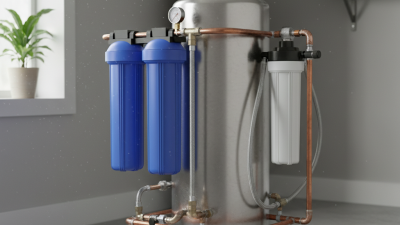
Practical installation experience shows that location matters. A unit installed beside a water heater may need a prefilter when the supply contains sand or rust. A compact cartridge can suit a kitchen, while a larger media tank may better support whole-house demand. Buyers should examine independent test data, flow ratings, replacement schedules, warranty terms, and local service availability. Manufacturer brochures are useful, but they should not be treated as final proof. Performance can change with water chemistry. Results may also disappoint when expectations are too high. This article outline compares the top saltless water softener types for global buyers, helping readers balance technical evidence, operating costs, household needs, and long-term reliability. There is no universal winner. Context decides.
What Is a Saltless Water Softener and How Does It Work?
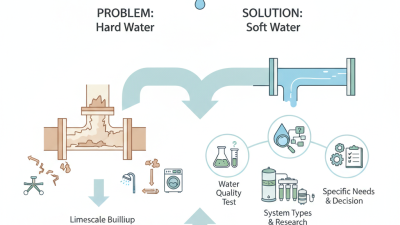
A saltless water softener is not a traditional softener without salt. It is usually a water-conditioning system that reduces scale formation. Most units use template-assisted crystallization, catalytic media, or another physical treatment method. These media encourage dissolved calcium and magnesium to form tiny crystals. The minerals remain in the water, but they are less likely to stick to pipes, heaters, and shower glass.
This distinction matters for global buyers. A salt-based softener removes hardness through ion exchange and needs brine regeneration. A saltless conditioner normally produces no wastewater and requires little routine maintenance. However, it does not usually lower hardness readings, sodium levels, or total dissolved solids. I would not call every saltless device a true softener. Some electronic anti-scale products make broad claims, while independent performance data may be limited.
A practical evaluation should begin with a laboratory water report. Check hardness, iron, manganese, pH, temperature, and flow rate. The treatment media must match those conditions. A small household unit may struggle with heavy scale or peak shower demand. Installation also affects results; bypass valves, correct flow direction, and regular media replacement matter. In my view, the biggest mistake is choosing a device based only on “no salt” language. Lower maintenance sounds attractive, but scale control is not the same as hardness removal. Performance can also vary between water sources, even within the same region.
Main Types of Saltless Water Softeners for Global Buyers
Saltless water softeners are better described as water conditioners. They reduce scale formation without removing calcium or magnesium. For global buyers, this distinction matters during product comparison. A household may still record hard water after installation. The pipes may simply collect less scale.
The main type is template-assisted crystallization, often called TAC. It uses specialized media to encourage minerals to form stable microcrystals. These crystals remain suspended and are less likely to bond with heating surfaces.
Another type uses catalytic or nucleation media with a similar purpose. Media life depends on water quality, flow rate, and chlorine exposure. Regular replacement is necessary.
Electronic and magnetic conditioners are also marketed as saltless options. Their performance can vary widely between water sources. Independent testing is more useful than attractive claims. Buyers should check iron, manganese, turbidity, pH, and hardness before choosing a system. Sediment filters may be needed in rural or well-water applications. Some systems require no drain line, while others need pressure controls and careful installation.
The term “softener” can mislead. These products usually do not produce genuinely soft water. They also cannot remove dissolved salts. A realistic specification should state scale-control results, testing conditions, service life, and maintenance needs. Local water laboratories, trained installers, and recognized test methods can improve purchasing decisions. Still, laboratory results may not perfectly predict performance in every home.
How to Compare Performance, Capacity, and Water Compatibility
In 2026, global buyers should compare saltless systems by treatment function, not by the word “softener.” Most units condition water by reducing scale formation; they do not remove calcium or magnesium. That distinction matters when a household needs lower hardness, not merely cleaner heating elements. Catalytic media and template-assisted crystallization systems need different performance evidence. Electronic conditioners require especially careful independent verification. I would request test data showing hardness, flow rate, and scale-control results. Look for measured results, not broad promises.
Performance should be checked under actual inlet conditions. A well-water installation may contain iron, manganese, sediment, or changing pH. Municipal water may bring chlorine and seasonal pressure changes. Compare rated service flow with peak demand, such as two showers and a washing machine running together. Ask whether prefiltration is required. Check pressure loss as media ages. This is where product catalogs often feel incomplete. Test it locally.
Capacity needs a different reading because saltless systems rarely use grain-based softening capacity. Check treated gallons, media volume, replacement intervals, and recovery after heavy use. A larger vessel may improve contact time, but it also needs space and suitable plumbing. For compatibility, match pipe size, temperature limits, disinfectant exposure, and maintenance requirements. Confirm applicable drinking-water certifications and local installation rules. I would test hardness before and after installation. Results can disappoint when expectations were never defined. That is not failure; it is useful evidence.
Global Buying Factors: Standards, Costs, and Supplier Selection
2026 Top Saltless Water Softener Types for Global Buyers
Global buyers should separate saltless conditioners from true water softeners. Template-assisted crystallization, catalytic media, and electromagnetic devices mainly target scale formation. They normally do not remove dissolved calcium or magnesium. That difference affects standards, pricing, and performance claims. NSF/ANSI 44 covers cation-exchange water softeners, while NSF/ANSI/CAN 61 covers drinking-water system components. A saltless unit may not qualify as a softener under either scope. Check the test method, not only the certificate. Claims can sound better than the evidence.
The U.S. Geological Survey reports that hard water affects about 85% of the United States population. The World Health Organization also states that hardness is generally not a health concern, although it can create scale and affect taste. Buyers should request influent hardness, treated-water results, flow-rate data, and pressure-loss figures. Reports from accredited laboratories following ISO/IEC 17025 are more useful than showroom demonstrations. Very convenient.
Costs require a wider view. Compare purchase price, media replacement, electricity, maintenance, shipping, import duties, and local installation. The cheapest quotation may become expensive after two years. Supplier audits should review ISO 9001 controls, material traceability, warranty terms, spare-part availability, and regional compliance documents. EN 14743 may matter for certain European building installations, while other markets require different plumbing or potable-water approvals. I would not trust one global certificate. Regional rules, water chemistry, and weak after-sales support can quietly change the result.
2026 Top Saltless Water Softener Types for Global Buyers
Global buying factors: standards, costs, and supplier selection
Indicative residential point-of-entry equipment price ranges in USD, excluding installation, pretreatment, taxes, freight, and local compliance costs. Actual quotations vary by flow rate, media volume, housing material, and market.
Technology focus
Template-assisted crystallization and catalytic media are commonly selected for scale-control applications. Electronic or magnetic devices are generally lower-cost, but performance can be highly dependent on water chemistry and installation conditions.
Standards check
Ask suppliers for material compliance with NSF/ANSI/CAN 61 and NSF/ANSI 372 where applicable. Confirm whether claims address scale control rather than hardness-ion removal, and check local plumbing, electrical, drinking-water, and import requirements.
Supplier selection
Compare verified flow rate, pressure loss, media replacement interval, test data for the target water chemistry, warranty terms, spare-part availability, installation guidance, and total landed cost.