
Kinetico Water

Why Are Sewer Drain Cameras Used?

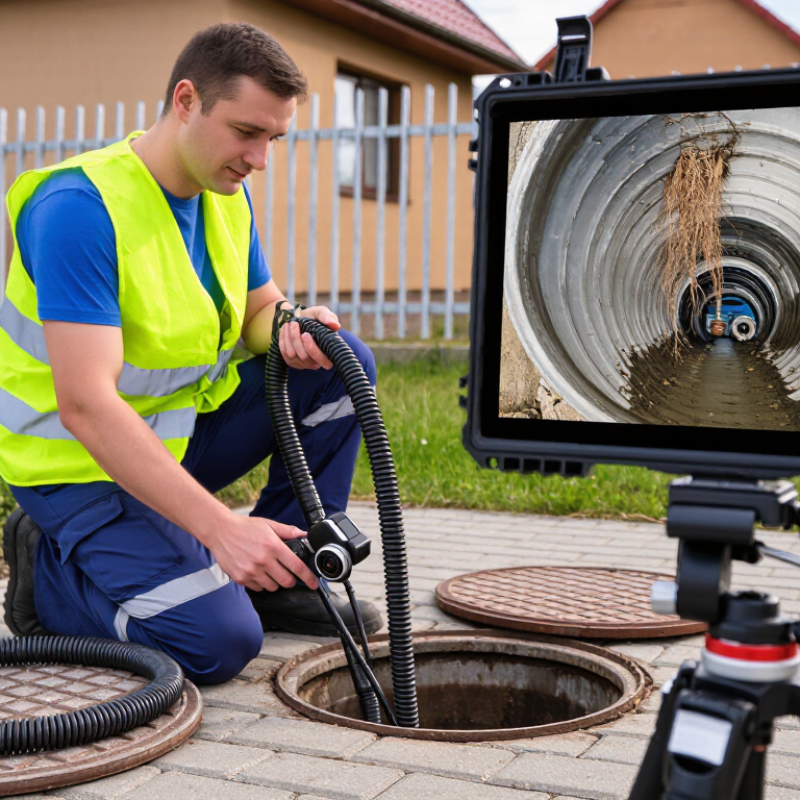
A slow drain, recurring blockage, or unexplained sewage smell can point to trouble inside a sewer line. The cause is not always visible from a sink or cleanout. Sewer Drain Cameras let a trained technician inspect the pipe’s interior without immediately digging up a yard or removing sections of flooring. A small camera, attached to a flexible cable, travels through the drain and sends live images to a monitor. The technician can look for roots, cracks, standing water, buildup, or objects obstructing the line. That matters.

The footage can help narrow down where a problem begins and guide decisions about cleaning or repair. It may also provide a visual record that homeowners can review with the service provider. Camera inspections are useful before buying a property, after repeated backups, or when a repair needs verification. Still, a camera does not fix a damaged pipe, and its view can be limited by heavy debris, tight bends, or water clouding the lens. Not always. An inspection is only as helpful as the technician’s interpretation and the condition of the line during the visit. Ask what the images show, where the issue is located, and whether another assessment is needed. The camera offers evidence, not certainty; that distinction is easy to overlook when a screen shows an alarming close-up.
Why Are Sewer Drain Cameras Used?

What a Sewer Drain Camera Is

A sewer drain camera is a compact inspection tool used to view the inside of a drainpipe. It has a small, waterproof camera mounted on a flexible cable. A technician feeds the cable through a cleanout or another accessible opening. At the surface, a monitor displays the pipe walls as the camera moves forward. Many systems also record video, so the footage can be reviewed later. Some cameras include a locator that helps estimate the camera head’s position underground. That is the basic setup. Small screen, useful clues.

As the camera travels, it may reveal tree roots, grease buildup, cracks, or pipe joints that have shifted out of place. The image can also show standing water or a change in pipe direction. These details help explain where a blockage or leak may be occurring. Still, a camera view has limits. Water, dirt, and poor lighting can hide defects, and a visible mark does not always show how serious the damage is. Not a full diagnosis. Reading the footage takes care; a clean-looking section does not prove the entire line is sound. The inspection depends on access, camera movement, and what the lens can actually see.

How Sewer Camera Inspections Work

A sewer camera inspection starts with locating an accessible cleanout or manhole. The technician feeds a waterproof camera into the pipe while watching a live screen. A built-in counter tracks how far the camera travels. This gives the crew a location reference when the footage shows a problem. Small details matter: roots entering a joint, a crack, pooled water, or a shift between pipe sections. The camera records what it can see, not everything hidden behind grease, scale, or standing water. It is not an X-ray.

After the run, the technician reviews the footage and notes defect type and location. NASSCO’s Pipeline Assessment and Certification Program (PACP) provides standardized codes for recording pipe observations, helping different teams describe defects consistently. The U.S. Environmental Protection Agency’s 2004 report estimated 23,000 to 75,000 sanitary sewer overflows each year. That national estimate does not measure camera effectiveness, but it shows why finding problems early can matter. A camera inspection can reveal where further cleaning or repair assessment is needed. It cannot, by itself, confirm a pipe’s full structural strength. Interpretation takes judgment, and footage can be imperfect. A careful report should say what remains uncertain.

Why Are Sewer Drain Cameras Used? - How Sewer Camera Inspections Work

Inspection Stage What Happens What the Camera Can Reveal Why It Is Useful
Access the drain A technician introduces a waterproof camera through a suitable access point, such as a cleanout or, where appropriate, a removed fixture. The accessible route and visible interior condition of the pipe. Inspection from an existing opening can help reduce the need to expose buried pipe just to investigate a suspected problem.
Choose the camera A push camera is commonly used for smaller, accessible drains. Larger pipes may be inspected with a crawler camera that moves along the pipe. Live video of the pipe interior, within the camera system’s range and the conditions inside the line. Matching the equipment to the pipe size and layout helps the technician inspect the line more effectively.
Advance and observe The camera is moved through the pipe while the technician watches the monitor and notes changes in the line. Visible cracks, displaced joints, root intrusion, corrosion, buildup, standing water, or an obstruction. Seeing the pipe directly can help distinguish between different visible causes of recurring backups or slow drainage.
Locate a finding Some camera systems use a locating transmitter, which can be detected from above ground when the camera is in a suitable position. An approximate surface position—and, depending on the equipment and conditions, an estimated depth—of the camera. Location information can help focus follow-up work, though readings are estimates and may vary with site conditions.
Record and report The technician may save video, note distances along the line, and describe visible findings. A visual record of the inspected sections and the observations made during the inspection. Documentation can support repair planning and provide a reference for later comparisons.
Interpret the results Findings are considered alongside the pipe layout, symptoms, and any cleaning or testing performed. The camera shows visible interior surfaces; it does not directly show the soil outside the pipe or prove that every section is defect-free. Understanding the limits of the view helps avoid treating the video as a complete assessment of hidden or obstructed areas.
Plan next steps Based on the inspection, the technician may recommend cleaning, further testing, monitoring, or a targeted repair. Whether a visible obstruction or defect may warrant additional investigation or action. A visual inspection can help guide decisions, but the appropriate response depends on the condition, access, and overall plumbing system.

What Problems Sewer Cameras Can Detect

Why Are Sewer Drain Cameras Used?

What Problems Sewer Cameras Can Detect

A sewer camera travels through a drain on a flexible cable, showing the pipe’s interior on a monitor. Its light can reveal grease buildup, wipes, sediment, or other obstructions that slow wastewater. A technician may see tree roots entering through a joint, often as fine strands that thicken into a dense mass. Sometimes, nothing obvious.

The footage can also show cracks, shifted pipe sections, corrosion, or a low spot where water and debris collect. These clues help narrow down why a drain backs up or drains slowly. A camera inspection can record the location and depth of a visible problem, which helps guide a repair rather than guess at one. Still, the image has limits.

A camera cannot show every condition outside the pipe, and standing water or heavy buildup may hide damage. Nor does a dark patch always identify its cause. Careful interpretation matters; I’d be cautious about treating one image as a complete diagnosis. The video is most useful alongside the drain’s symptoms, pipe layout, and a technician’s observations.

Why Are Sewer Drain Cameras Used?

Problems Sewer Cameras Can Detect

A sewer camera sends live video from inside a pipe, helping inspectors spot cracks, root intrusion, blockages, and other visible problems. Each bar means visual evidence can be seen in the footage; it does not indicate how common a problem is or guarantee a diagnosis.

Why Plumbers and Property Owners Use Them

Why Are Sewer Drain Cameras Used?

Plumbers use sewer drain cameras to inspect the inside of a drain without digging up a yard or opening walls unnecessarily. A small camera travels through an accessible cleanout on a flexible cable. Its live view can show cracks, displaced joints, grease buildup, roots, or an object blocking the pipe. Some equipment also tracks how far the camera has traveled, helping the plumber estimate where a problem lies.

The footage gives plumbers useful evidence before they recommend a repair. A recurring backup might come from a local blockage, or from damage farther along the line. Seeing the pipe helps distinguish between those possibilities. Less guesswork. It can also help confirm whether cleaning cleared the obstruction. Still, a camera is not magic: pooled water, heavy debris, or a sharp bend can limit the view. The footage needs careful interpretation.

Property owners use inspections when buying a home, investigating repeated slow drains, or planning work that could affect buried plumbing. A recording can help them understand a plumber’s findings and discuss repair options with more confidence. It may also provide a useful reference if symptoms return. But one inspection captures conditions at that time; it cannot promise the pipe will remain trouble-free. Sometimes the image is murky, and the next step is still uncertain. That is worth saying plainly.

What Sewer Cameras Cannot Determine Alone

Sewer drain cameras help technicians inspect pipes without digging. A small camera travels through the line, showing roots, cracks, standing water, pipe offsets, or debris. The footage can guide a repair plan and reduce guesswork. Still, a clear image is not a complete diagnosis.

A camera records visible surfaces along its route, not the soil or pipe exterior. It may not confirm wall thickness, exact material, or the full extent of damage. Grease, scale, water, and tight bends can hide important details. A crack on screen could be active, old, or less serious than it appears. Interpretation takes judgment, and two reviewers may not describe an unclear image the same way. That matters. Camera footage alone also cannot prove why a blockage keeps returning. Flow testing, locating equipment, or maintenance records may help fill in the gaps.

Tips: Ask for the video and a clear explanation of each finding. Note the camera’s distance and location, then compare those details with the proposed repair. If the image is obscured, ask whether another inspection method is appropriate.