Why Does Flexible MOQ Production Matter to Global Buyers?
Flexible MOQ Production matters because global buyers rarely begin with perfect forecasts. A new retailer may need a few hundred units to test demand, while an established distributor may require regular container loads. Flexible minimum order quantities let buyers match production more closely to those different needs. They can limit early inventory, preserve cash for freight and marketing, and gather sales data before committing to larger runs. For example, a buyer testing a new kitchen tool might order a small batch, inspect packaging and finish, then adjust the next order based on customer feedback. Small does not mean risk-free.
The value depends on the supplier’s actual capabilities. Buyers should confirm whether lower quantities affect unit price, lead time, customization, or access to materials. A sample approval, written specifications, and clear production milestones help prevent avoidable surprises. So does asking how quality checks are handled across a short run and a repeat order. These details matter. Flexible MOQ Production can support gradual growth, but it cannot replace demand planning or supplier due diligence. A small first order may still sit unsold, and frequent low-volume shipments can raise costs. That trade-off deserves a hard look. Global buyers benefit most when order flexibility comes with transparent pricing, consistent quality controls, and realistic delivery commitments. The right quantity is not always the smallest one; it is the quantity that fits the evidence available today, while leaving room to learn.
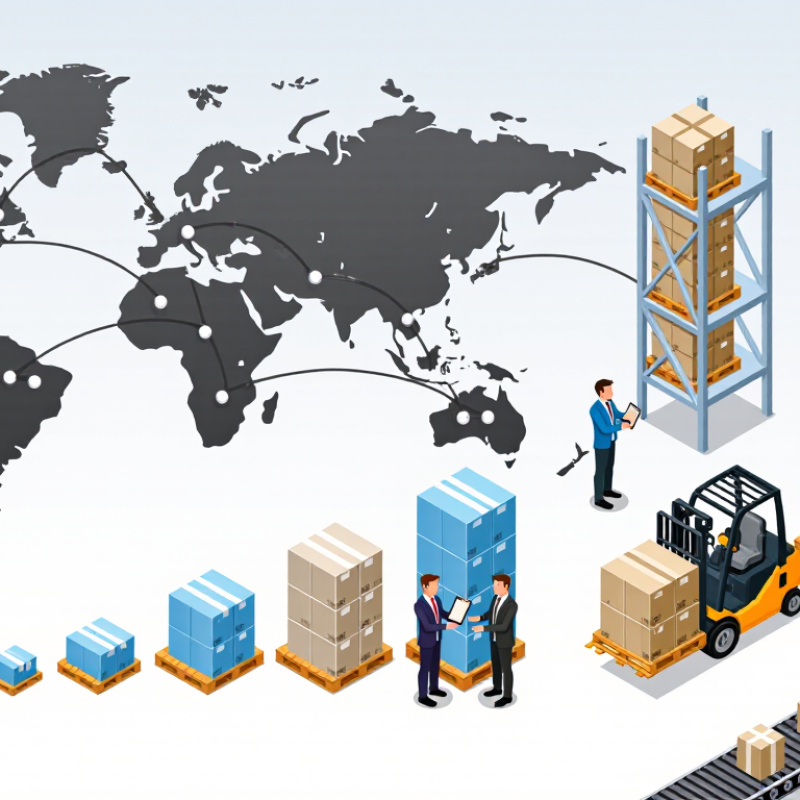
Understanding MOQ and Flexible MOQ Production
Why Does Flexible MOQ Production Matter to Global Buyers?
Understanding MOQ and Flexible MOQ Production
Minimum order quantity, or MOQ, is the smallest batch a factory agrees to produce. It often reflects setup time, material purchasing, and the effort needed to schedule a production run. For a buyer, though, a large MOQ can tie up cash and leave cartons sitting in a warehouse. That matters when demand is uncertain or a product is still being tested. A flexible MOQ lets buyers discuss smaller runs, phased orders, or a trial batch before committing to larger volumes. Details vary by product and factory.
Consider a new kitchen tool: ordering 5,000 units may lower the unit price, but it also creates storage and inventory risk. A run of 800 could offer useful sales data, though each piece may cost more. There is a trade-off.
Smaller orders can still require minimum purchases for packaging, components, or custom materials. Buyers should ask what the quoted MOQ covers, whether repeat orders can use remaining materials, and how lead times change between batch sizes. These questions make quotes easier to compare. Flexible does not always mean economical; sometimes the savings look good on paper but disappear in extra setup costs. I have seen buyers focus on unit price and overlook cash tied up in stock. That is worth checking before approving production.
How Flexible MOQ Production Works
Why Does Flexible MOQ Production Matter to Global Buyers?
How Flexible MOQ Production Works
Flexible minimum order quantity production lets buyers adjust order sizes without forcing every product into one fixed batch. A factory may offer a smaller pilot run, then increase quantities after sales data confirms demand. For example, a buyer can test 300 units in two colors before committing to a larger seasonal order. The factory still needs workable production schedules, material availability, and setup costs. Flexibility does not mean unlimited small orders. Changeovers take time, and custom materials may still require larger commitments.
The mechanics usually start with a base MOQ, then options for staged production, repeat orders, or mixed variants. Buyers and manufacturers agree which costs change at each quantity, including tooling, packaging, and freight. McKinsey’s 2022 supply-chain survey reported that companies experienced an average of 2.8 supply-chain disruptions over the prior year. This supports planning for uncertainty, though it does not prove that smaller batches always reduce risk. A smaller run can also raise per-unit costs. That trade-off deserves honest calculation.
Tips: Ask for a written price breakdown at several quantities. Confirm whether materials can be reserved for later batches, and agree on lead times before placing a pilot order. Track sell-through and defect rates, not just unit price. One weak point: forecasts can still be wrong, even with more frequent production decisions.
Why Flexible MOQ Production Matters to Global Buyers
How flexible minimum order quantities can support smaller, more frequent production runs.
Illustrative calculation: producing 1,200 units requires 12 runs at 100 units per run, 4 at 300, 2 at 600, or 1 at 1,200. Smaller batches can help buyers align orders with demand and storage capacity, while potentially requiring more production runs. Actual costs and lead times depend on the product and supplier.
Key Industries That Benefit from Flexible MOQ
Flexible MOQ production matters when global buyers must test demand without filling a warehouse with unproven stock. Its value varies by industry, because order size affects shelf life, customization, and production planning.
In apparel, smaller runs let buyers test a new cut or fabric across a few sizes before committing to seasonal volume. Food producers can use limited batches to assess packaging, flavor, or regional demand, though short runs may raise unit costs and complicate ingredient planning. Beauty and personal-care companies benefit when they need several package formats or want to validate a formula with a narrow customer group. The practical detail matters: a buyer may need 500 sample-sized units, not thousands of full-size bottles.
Electronics makers can pilot accessories or components before forecasts are reliable. Flexible quantities also help furniture and home-goods sellers trial colors or dimensions without tying up storage space. But flexibility is not automatically cheaper. Small orders may face higher setup costs, and frequent changes can disrupt factory schedules. Buyers should check minimums for each component, lead times, quality checks, and how repeat orders will match the first batch. A low MOQ is useful only when the supplier can keep specifications consistent.
Factors to Consider When Choosing a Flexible MOQ Supplier
Global buyers often need to test a product before committing to a full production run. A flexible minimum order quantity can make that possible, but a low starting threshold is only one part of the decision. Buyers should ask how the supplier handles repeat orders, seasonal demand, and changes in forecast volume. A factory that accepts 300 units but cannot schedule a follow-up run for months may not offer much practical flexibility.
Check what the minimum quantity applies to. It may cover each color, size, material, or design separately, rather than the total order. Ask for a written breakdown, along with sample costs, production lead times, payment milestones, and shipping assumptions.
For example, a small apparel order split across four colors could require more setup and create higher unit costs than one color in the same total quantity. Get the details before comparing quotes.
Reliable suppliers can explain their capacity without promising everything. Ask how they inspect materials and finished goods, what happens when samples differ from bulk production, and how they report delays. References or a small paid trial can reveal more than polished sales claims. Still, a trial is not a guarantee; production conditions can change. Flexible terms help, but unclear specifications and rushed approvals can turn a manageable order into an expensive lesson.