Top Whole House Water Filter Which Is Best?
Choosing the top whole house water filter is not as simple as comparing prices or flow rates. A filter that works beautifully in one home may perform poorly in another. Water quality changes by location, plumbing age, household size, and private well conditions.
This guide examines whole house water filter systems through practical details. We consider contaminant reduction, filter life, pressure loss, installation demands, and maintenance costs. A family of four may need stronger flow than a small apartment. A home with rusty pipes may need sediment protection before carbon filtration. Well water can require additional testing for iron, sulfur, or bacteria.
Look closely at certification claims. NSF/ANSI standards can provide useful evidence, but certification does not guarantee that every contaminant will be removed. Product labels also deserve careful reading. “Improves taste” is not the same as removing lead or harmful chemicals.
Testing comes first.
The most reliable choice depends on measured water conditions, not attractive advertising. A certified laboratory report can reveal problems that clear-looking water hides. In my view, carbon systems often offer a sensible balance for chlorine and odor, yet they are not universal solutions. That judgment can change after testing.
This comparison will explain which systems suit city water, well water, large households, and limited maintenance schedules. It will also discuss installation space, replacement intervals, and realistic operating expenses. The best filter is the one that protects your household without creating unreasonable pressure loss or neglected maintenance.
What Is a Whole House Water Filter?
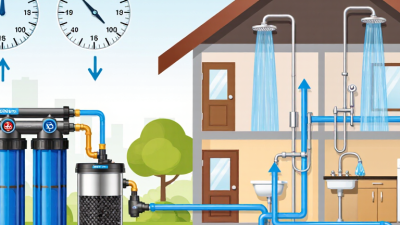
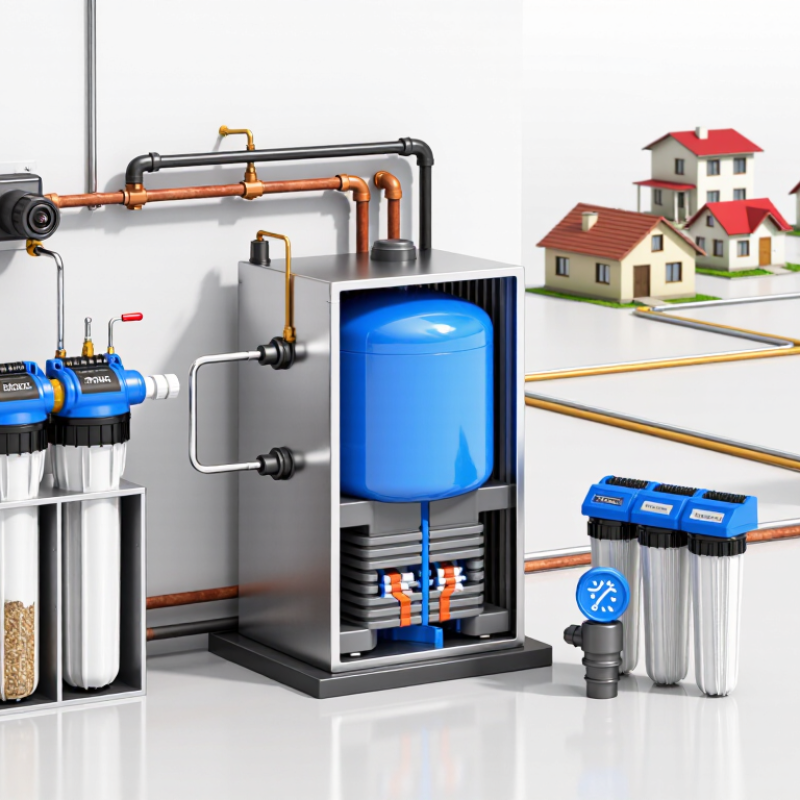
A whole house water filter is a treatment system installed where water enters a home. It filters water before it reaches showers, taps, washing machines, and other fixtures. Unlike a small faucet filter, it treats the household’s main water supply.
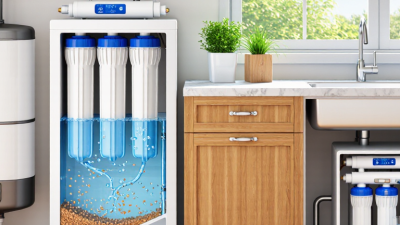
The system usually contains one or more cartridges. Sediment filters can catch sand, rust, and visible particles. Carbon media may reduce chlorine, unpleasant odors, and some organic compounds. However, no single filter removes every contaminant. That matters. Well water and municipal water can have very different problems.
I once inspected a home with cloudy water after heavy rain. The owner expected a carbon filter to solve everything. Testing showed fine sediment was the real issue, so a sediment stage was more suitable. A laboratory water report should guide the selection. Look for certified performance claims, replacement intervals, and the filter’s flow rate. A poorly sized unit may reduce pressure during simultaneous showers and laundry. Maintenance is easy to underestimate. Cartridges need timely replacement, even when the water looks clear. Some systems also require professional installation, especially when pipe changes or drainage connections are involved. A whole house filter improves water quality only when its design matches the actual water problem.
How Whole House Water Filters Work
A top whole house water filter works at the main entry point, before water reaches your kitchen, shower, and laundry. It treats water throughout the home, unlike a small faucet filter. Water first passes through a sediment filter, which traps sand, rust, and loose particles. You may see this material collect as a brown layer.
Many systems then use activated carbon. Its porous surface adsorbs chlorine, unpleasant odors, and some organic compounds. The result can be clearer water and a less chemical taste. However, carbon does not reliably remove every dissolved contaminant. A filter can look impressive while missing a problem that only laboratory testing can identify.
Some homes need additional treatment. A water softener targets hardness minerals, while ultraviolet treatment can reduce microorganisms in properly filtered water. These devices solve different issues. They should not be treated as interchangeable. During maintenance checks, I look for declining water pressure, unusual taste, and overdue cartridge changes. Pressure loss often signals a clogged filter, not stronger filtration.
Filter life depends on water quality and household use. A busy home may replace cartridges sooner than a quiet apartment. Installation also needs a bypass valve and enough space for service. The “best” whole house filter is therefore the one matched to tested water conditions, flow demand, and realistic maintenance habits. I would not choose a system from appearance alone.
How to Compare Filter Performance and Capacity
Choosing the top whole house water filter requires more than comparing prices or cartridge size. Compare verified performance and usable capacity under real household conditions. The U.S. Geological Survey reported average domestic water use of about 82 gallons per person daily in 2015. A four-person home could therefore use roughly 120,000 gallons yearly. That figure quickly exposes undersized systems.
Check the certification first. NSF/ANSI 42 covers aesthetic claims, such as chlorine and taste reduction. NSF/ANSI 53 addresses specific health-related contaminants, but only those listed in the certification. Do not assume one filter removes everything.
Compare tested flow rates, pressure loss, and contaminant reduction percentages. A system rated at 10 gallons per minute may perform differently after sediment builds up. That matters.
Capacity needs careful reading. Manufacturers may publish capacity under controlled laboratory water, not your well or municipal supply. Sediment, hardness, temperature, and disinfectant levels can shorten service life. The Centers for Disease Control and Prevention recommends annual private-well testing, providing useful baseline data before selection.
Record your incoming pressure and peak demand, such as a shower running while a washing machine fills. Then select a filter that maintains acceptable pressure at that demand. Bigger is not automatically better. I once focused too heavily on gallon capacity and overlooked replacement cost and pressure drop. That was a poor comparison. A transparent performance sheet, current certification, and realistic test results deserve more weight than impressive numbers.
Which Whole House Water Filter Best Fits Your Home?
Choosing the best whole house water filter starts with your home, not a product label. Municipal water and private well water present different concerns. Review your latest water report, or arrange laboratory testing for well water. Look for bacteria, sediment, chlorine, hardness, iron, and other identified contaminants. Guessing can waste money.
Flow rate matters when two showers run beside a washing machine. A filter rated too low may reduce pressure, especially in larger homes. Measure your peak water demand and compare it with the filter’s tested flow rate. Check the inlet size, housing space, and replacement cartridge availability. A cramped utility room makes routine maintenance frustrating.
Certification is important, but it needs careful reading. Confirm that the system is certified for the specific contaminant and reduction claim you need. A sediment filter will not remove dissolved minerals. Carbon may improve taste and odor, but it does not solve every water problem. Whole-house treatment can also require a separate drinking-water system.
There is no perfect setup. I would rather choose a simpler filter that fits the plumbing and maintenance budget. Many homeowners overlook cartridge replacement dates. That small mistake can reduce performance and create unpleasant water quality. Keep installation records, inspect connections for leaks, and retest questionable water after installation. A qualified plumber or certified water professional can verify sizing, pressure, drainage, and local code requirements before the system is installed.
Top Whole House Water Filter: Which Best Fits Your Home?
Compare common whole-house treatment options by the water concerns they are primarily designed to address. A value of 1 indicates a typical primary application, not a guarantee of removal. Actual performance depends on water chemistry, system sizing, maintenance, and certified test results.
How to choose: Select sediment filtration for sand, rust, or visible particles; activated carbon for chlorine, taste, odor, and some VOCs; catalytic carbon for chloramine and chlorine; a water softener for hardness minerals; and UV disinfection for bacteria and viruses. A laboratory water test is recommended before choosing a system.