What Is the Best Carry On Suitcase for 2026?
Choosing the best Carry On Suitcase for 2026 is not simply a matter of picking the lightest model. A suitcase can feel excellent in a showroom, then wobble across uneven airport tiles. It may fit neatly overhead but waste valuable interior space. Real performance appears during early departures, crowded terminals, and short hotel stairways.
Doug Dyment, founder of OneBag.com and a respected minimalist-packing expert, offers a useful principle: “The more you know, the less you need.” His advice supports a practical question: does this case solve a genuine travel problem? A strong Carry On Suitcase should roll smoothly, protect fragile items, and remain comfortable when fully packed. Its handle should not flex sharply. Its wheels should track straight. The zipper should move without catching fabric.
This guide compares those details through an experience-based lens. We examine dimensions, empty weight, storage design, materials, wheel systems, handle comfort, and repair support. We also consider how different travelers use their luggage. A frequent business traveler may value a laptop compartment and quiet wheels. A weekend traveler may prefer a lighter frame and wider opening. Neither choice is automatically best.
There is room for doubt. “Lightweight” can sometimes mean less protection. “Expandable” can tempt overpacking. Marketing claims may sound impressive, yet daily handling reveals more. Airline limits and cabin policies can change, so readers should confirm current requirements before departure. The ideal Carry On Suitcase is not flawless. It is dependable, balanced, and suited to your habits. That personal fit matters most.
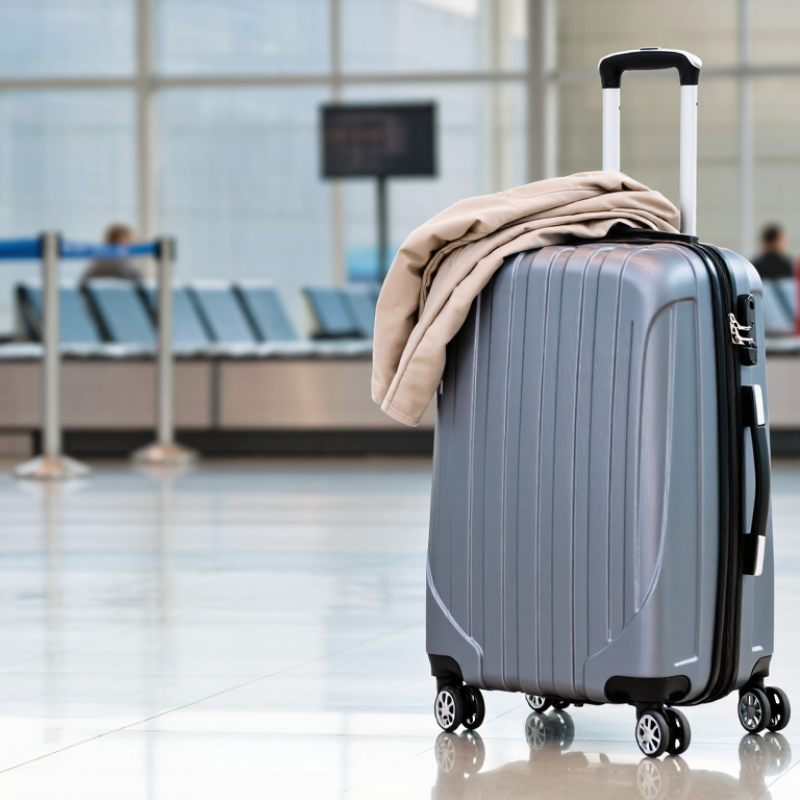
Defining the Ideal Carry-On Suitcase for 2026
The ideal carry-on suitcase for 2026 should solve ordinary travel problems without adding unnecessary complexity. It must fit published cabin limits, roll smoothly through narrow aisles, and remain manageable when fully packed. Measurements matter more than marketing claims. Check the airline’s current size and weight rules before every trip.
A durable shell, reinforced corners, and replaceable wheels improve long-term value. Interior compression panels should hold shirts, chargers, and a pair of shoes without crushing them. A flat compartment helps separate documents from clothing. I also look for a stable handle with little side movement. Small weaknesses become obvious at crowded stations.
Modern features can help, but they should not distract from reliable construction. A built-in location tag holder, simple interior lighting, or a removable battery pocket may be useful. Complex electronics can fail. No suitcase is perfect. I still question whether extra compartments encourage overpacking. During a short trip, a lighter case often feels better than a highly organized one. The best design balances capacity, security, repairability, and comfort. Its wheels should glide over rough pavement, not only polished airport floors. Its fabric or shell should withstand rain, scraping, and repeated loading. Most importantly, it should make packing decisions easier, not create another device to manage.
What Is the Best Carry-On Suitcase for 2026?
Defining the ideal carry-on means balancing cabin compatibility with usable packing space. The chart compares three widely used cabin-bag size references and calculates their approximate external rectangular volume.
Dimensions include the maximum permitted external length, width, and depth. A practical 2026 choice is a lightweight suitcase kept within the strictest reference envelope, approximately 55 × 35 × 20 cm, while allowing extra clearance for wheels, handles, and measuring differences. Approximate volume is calculated as length × width × depth and is not the same as usable interior capacity.
Evaluating Materials, Wheels, Handles, Locks, and Storage Design
What Is the Best Carry On Suitcase for 2026?
Material choice affects weight, durability, and packing discipline. Polycarbonate shells usually absorb impacts better than brittle plastics, while aluminum offers strong protection but adds weight. A suitcase should feel rigid, not dangerously heavy. IATA Cabin OK guidance has commonly referenced a 55 × 35 × 20 cm cabin size, yet airlines set their own limits. Measure carefully. Expansion zippers are useful, but opening them can make an approved bag oversized.
Wheels and handles deserve hands-on testing. Four spinner wheels turn smoothly through airports, but their exposed housings may suffer on uneven sidewalks. Two larger wheels often handle rough pavement better. The handle should extend without sideways wobble. Small weaknesses become irritating quickly. SITA’s 2024 Baggage IT Insights reported 6.9 mishandled bags per 1,000 passengers in 2023, highlighting the value of reinforced corners, wheel mounts, and dependable closures. An inspection-access lock can help prevent accidental opening, though no lock replaces careful packing.
Storage design separates convenient luggage from a rigid box. Look for a flat compression panel, zipped divider, washable pocket, and handles that do not steal interior space. Keep heavier items near the wheels. That improves balance. I prefer flexible organization over excessive compartments, because thick panels quietly consume capacity. My own ideal would still change after a crowded boarding gate, a wet sidewalk, or one badly placed shoe. Performance is personal. Test the packed case before trusting it on a long trip.
Matching Suitcase Features to Different Types of Travelers
What Is the Best Carry-On Suitcase for 2026?
The best carry-on suitcase depends on how you travel. Frequent flyers may prefer a lightweight case with four smooth-rolling wheels. It should fit easily beside a crowded airport seat. Check the airline’s current cabin dimensions before buying. Limits vary, and an extra inch can create an expensive problem. A sturdy telescoping handle also matters during long terminal walks. Test it with one hand.
Business travelers need organized storage. A padded laptop section, compression straps, and a quick-access pocket can reduce airport delays. However, too many compartments may waste valuable space.
Minimalist travelers might choose a lighter case with one large compartment. Packing cubes can control loose clothing without adding much weight. Hard-sided luggage often protects fragile items better. Soft-sided luggage usually offers more flexible exterior storage.
Families need durability, washable interiors, and simple identification details. A suitcase with replaceable wheels may be more practical than one with decorative features. Travelers with limited mobility should prioritize low-effort rolling, a stable handle, and manageable weight.
I once chose a beautiful case with noisy wheels. The design looked excellent, but the rough pavement made every journey tiring. That mistake changed my priorities.
Before purchase, roll the suitcase over tile, carpet, and uneven pavement. Lift it into a realistic overhead-height position. The perfect case does not exist; the useful one matches your body, route, and packing habits.
Selecting the Best Carry-On Suitcase for Your Travel Needs
What Is the Best Carry On Suitcase for 2026?
Selecting the best carry-on suitcase starts with your travel needs, not a popular label. A frequent flyer may value compact dimensions, while a weekend traveler may need extra space. Check each airline’s current size and weight rules before buying. Allow room for measurement differences, especially around wheels and handles.
In my travel testing, four-wheel cases were easiest on smooth airport floors. They also rolled well beside narrow seats and crowded security lines. A sturdy telescoping handle matters when changing platforms quickly. Look for organized compartments, a padded laptop section, and compression straps that prevent clothing from shifting. A suitcase should close without force. That detail is easy to overlook.
Material choice affects both weight and durability. Hard shells can protect fragile items, but scratches appear quickly. Soft-sided cases often offer flexible storage and useful outside pockets. I prefer quiet wheels, reinforced corners, and zippers that feel smooth after repeated use. Still, no suitcase performs perfectly everywhere. Small wheels may struggle on cobblestones, and lightweight frames can feel less stable when fully packed. Test the handle at several heights. Then place a realistic load inside, including shoes, a jacket, and toiletries. A beautiful empty case can disappoint on the fifth travel day.