
Kinetico Water

Top TWS Wireless Earbuds for Global Buyers

The global market for Tws Wireless Earbuds is crowded, but shipment growth alone cannot tell buyers which pair will suit them. IDC’s Worldwide Quarterly Wearable Device Tracker reported 534.6 million wearable-device shipments worldwide in 2024, across categories that include earwear. Counterpoint Research’s Global TWS Hearables Tracker also reported year-over-year growth in TWS shipments during 2024. These figures show broad demand, not proof that every popular model performs well.

This guide compares options through details buyers can verify: fit, active noise cancellation, call clarity, battery life, water resistance, multipoint pairing, and warranty support. Small details matter. A stable Bluetooth connection helps during a commute; a poor seal can weaken bass and noise reduction. Regional model versions may also differ in codecs, charging plugs, app features, or after-sales service. Check the manufacturer’s specifications before ordering, and treat laboratory claims as one part of the picture.

There is no universal best pair. Ear shape, phone compatibility, and listening habits change the result. Even careful comparisons have limits: comfort is personal, and advertised battery life often depends on volume and feature settings. This shortlist therefore focuses on practical trade-offs for global buyers, rather than presenting one model as perfect. Some omissions are inevitable; availability and support can vary by country.
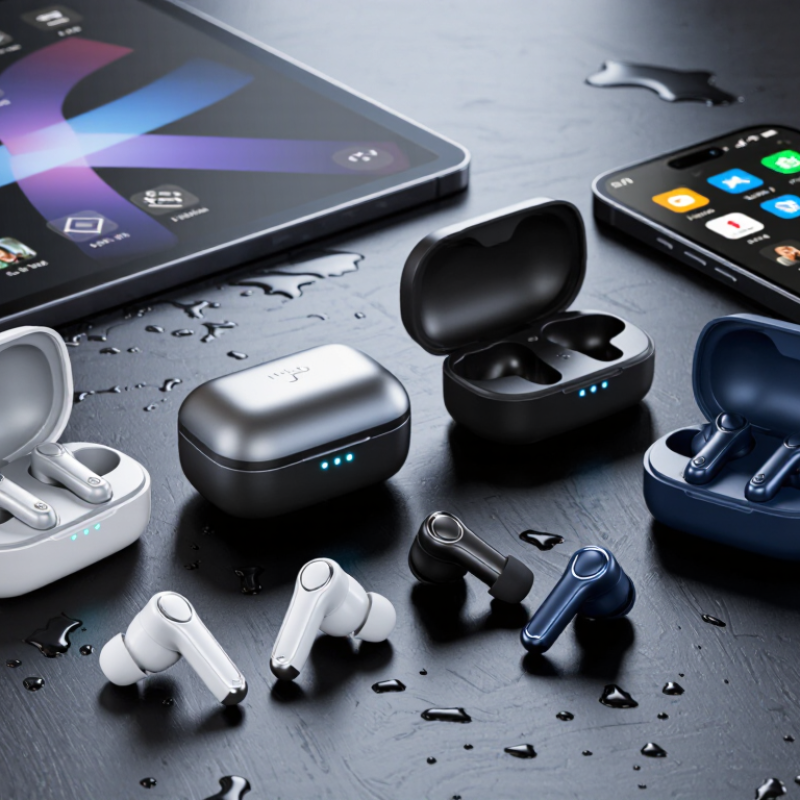
Top TWS Wireless Earbuds for Global Buyers

What True Wireless Stereo Earbuds Are

True wireless stereo (TWS) earbuds are two separate earpieces with no cable connecting them. They play left and right audio channels together, creating a stereo listening experience. A phone or computer sends audio over Bluetooth, while the earbuds coordinate playback between themselves. The exact connection method can vary by design.

Small details matter. Take one earbud from its case, and it may connect within seconds; place it back, and charging usually begins through metal contacts. The case also stores extra power for use away from a wall outlet. No dangling wire. That freedom feels useful on a crowded train or during a walk, though tiny earbuds are easier to misplace than wired ones. I sometimes find touch controls fiddly with cold fingers, and fit can change how secure they feel.

TWS describes the format, not a guarantee of sound quality or comfort. Battery life, microphone clarity, connection stability, and water resistance differ between models. A snug seal can strengthen bass and reduce outside noise, but it may feel uncomfortable after an hour. Check stated battery figures carefully: playback time per charge is not always the same as total time with the case. Those details deserve a closer look.

How TWS Earbuds Connect and Deliver Audio

True wireless stereo (TWS) earbuds receive audio from a phone or computer over Bluetooth, without a cable between the two earpieces. Pairing usually starts when the earbuds leave their charging case or enter pairing mode. The source then sends digital audio to them. Designs vary: one earbud may relay audio to the other, while some systems connect to both independently. The exact behavior depends on the earbuds and the source device.

Inside each earpiece, a Bluetooth chip decodes incoming audio, and a small driver turns it into sound. The chosen audio codec depends on what both devices support. Buffering helps keep the left and right channels in sync, but it can add a little delay. You may notice this when watching video or playing games. Microphones use the same wireless link to carry your voice during calls, though placement and background noise affect clarity.

Wireless performance is not always consistent. A crowded room, a pocket between the phone and earbuds, or nearby walls can interrupt the signal. Small details matter. The case charges the earbuds and, on some models, helps restart their connection. If audio cuts out, checking the charge and reconnecting can help, but it does not identify every possible cause. That part can be frustrating.

Key Features to Compare Across Global Models

For global buyers, compare wireless earbuds by daily performance, not headline numbers alone. Start with fit: check the shape and included tip sizes, then look for reviews describing comfort after an hour. A secure seal can improve bass and passive noise isolation, but it may feel uncomfortable in smaller ears. Comfort is personal.

Noise cancellation, transparency mode, and microphone quality deserve separate checks. A product page may quote strong noise reduction, yet performance can vary between steady engine rumble and nearby speech. For calls, look for tests recorded outdoors or beside traffic. Bluetooth codec support matters only when your phone supports the same codec; otherwise, the earbuds may use a basic shared option. I still find codec charts easy to overrate.

Battery figures need context. Check whether they include noise cancellation, and compare earbud playback with total time from the charging case. Small details matter. USB-C charging, clear app language options, and simple touch controls can make travel easier. Also verify the stated water-resistance rating against your likely use, such as light rain or a sweaty commute. Ratings are not a promise of unlimited protection.

Finally, compare warranty terms, regional service access, and replacement-tip availability before ordering across borders. These details can be harder to confirm than sound specifications. Check the exact model version, since features and included accessories may differ by market. A careful comparison still leaves room for preference; no specification sheet can predict how a pair will feel on your first long walk.

Top TWS Wireless Earbuds for Global Buyers: Bluetooth LE PHY Rates

Compare the nominal physical-layer data rates available in Bluetooth LE. Support varies by earbud and connected device.

Rates shown are standardized gross signaling rates: LE 1M is 1 Mbps, LE 2M is 2 Mbps, and coded PHY modes are 500 kbps (S=2) or 125 kbps (S=8). These are not real-world audio throughputs or measures of sound quality; connection conditions and device support affect performance.

How Fit, Battery Life, and Compatibility Affect Use

Fit is not a minor comfort detail; it affects how often earbuds stay usable. A loose seal can weaken bass and let bus noise creep in. Too much pressure becomes noticeable during a long call. Try each included tip size, then walk, chew, and turn your head. Keep the pair that stays secure without soreness. Small movements matter.

Battery figures need context. High volume, frequent calls, and noise reduction can shorten playback compared with quiet listening. If your commute takes 40 minutes each way, estimate battery needs around that routine, not the biggest number on a package. Check how many top-ups the case provides and how long it takes to recharge. Real use varies. It can be annoying.

Compatibility is more than a Bluetooth symbol. Confirm your phone or computer supports the connection you need, and test switching between devices before travel. Features such as spatial audio or low-latency modes may depend on the operating system or app. Calls reveal practical details: walk near a fan and check whether your voice remains clear. No spec sheet can fully predict that. Fit is hard to judge from a screen, so check the return terms before buying.

Top TWS Wireless Earbuds for Global Buyers - How Fit, Battery Life, and Compatibility Affect Use
Earbud Style Typical Fit Typical Listening Time Charging Case Benefit Compatibility Considerations Best-Suited Use
In-ear, silicone-tip design Creates a seal; usually supplied with several tip sizes. A secure seal can improve comfort and passive noise isolation. About 5–8 hours per charge, depending on volume, calls, and features in use. Often provides multiple additional charges; total listening time commonly falls around 20–30 hours. Most models connect to Bluetooth-enabled phones, tablets, and computers. Basic audio commonly uses the SBC codec; AAC support varies. Commuting, travel, and listeners who prefer a more secure fit.
Open-fit, non-sealing design Rests at the ear opening without sealing the ear canal. Fit and stability vary substantially with ear shape. About 4–8 hours per charge is a common range. Case capacity varies; check the combined earbud-and-case estimate for the specific model. Bluetooth audio compatibility is broad, but companion features may require a particular operating system or app. Everyday listening when awareness of nearby sounds is preferred.
Sport-oriented, stabilizing design May include wings, hooks, or a shaped housing to help keep the earbuds in place during movement. About 5–10 hours per charge; calls and high volume can reduce runtime. Frequently adds several charges, but case size and total runtime differ by model. Check the stated water-resistance rating. Ratings apply under specified test conditions and do not mean the earbuds are suitable for every water activity. Exercise and active use, provided the fit is secure and the resistance rating suits the activity.
Noise-cancelling in-ear design Usually uses sealing tips; trying different tip sizes can improve both comfort and noise reduction. Often about 4–8 hours with active noise cancellation enabled; turning it off may extend playback. Many cases provide additional charges; compare total runtime with noise cancellation settings clearly stated. Noise cancellation and app controls are product-specific. Standard Bluetooth playback generally works across common phone and computer platforms. Air travel, public transport, and noisy work or study settings.
Compact, lightweight design Small housings may suit some ears, but compact size alone does not guarantee a comfortable or secure fit. About 4–7 hours per charge is a reasonable category-level expectation. A pocket-sized case is convenient; its smaller capacity may mean fewer extra charges. Confirm charging connector, wireless-charging support, and app availability if these features matter to your devices or region. Daily carry and users who prioritize a discreet, portable setup.
Multipoint-capable design Fit depends on the earbud shape and tip style rather than the multipoint feature. Battery life varies widely; roughly 5–9 hours per charge is common across many designs. Case runtime is model-specific; published totals may use different test conditions. Multipoint can connect to two devices at once, but availability and switching behavior vary. Confirm support for the intended phone and computer. People who regularly switch between work calls and a personal device.
Figures are broad, typical ranges rather than guarantees for every model. Actual battery life depends on volume, call time, noise-control settings, codec, battery age, and temperature. Bluetooth audio usually works across major platforms, but features such as multipoint, app controls, and high-quality codecs require support from both the earbuds and the connected device.

How to Choose TWS Earbuds for Your Region and Budget

Choosing TWS earbuds starts with your region, not a feature checklist. Confirm they work well with your phone’s Bluetooth codecs and operating system; advertised features can vary by device. Check local warranty coverage, return periods, and replacement ear-tip availability before buying. These details matter when a tiny charging case stops holding power.

Match the budget to how you listen. Around a lower price point, prioritize stable connection, comfortable fit, clear calls, and USB-C charging over elaborate noise cancellation. A mid-range pair may offer better microphones or adjustable noise control, useful on a bus or in a shared office. At any price, check independent tests for battery life; volume and call use can shorten the maker’s estimate. Small differences add up.

Fit is personal. Try several included tips, then walk, talk, and wear them for twenty minutes. A seal that feels fine at a desk may loosen outdoors. I would not assume the most expensive pair sounds best for every ear; comfort often decides what you actually use. One imperfect detail: touch controls can misfire under a hat or wet fingers, so test them in your usual setting before keeping the earbuds.