Top 10 Supermarket Refrigeration Equipment for Global Buyers?
In the competitive landscape of retail, choosing the right Supermarket Refrigeration Equipment is crucial. These systems ensure optimal product preservation and enhance customer experience. Quality refrigeration not only maintains food safety but also impacts energy efficiency.
Many buyers face challenges in selecting suitable equipment. The variety of options can be overwhelming, and not all products meet the same standards. Buyers often overlook essential features like energy consumption and maintenance requirements. Understanding these elements can lead to better purchasing decisions.
This article highlights the top 10 Supermarket Refrigeration Equipment options available globally. Each choice reflects current market trends and technological advancements. With careful consideration, buyers can equip their stores effectively, ensuring both safety and profitability.
Overview of Supermarket Refrigeration Equipment Types
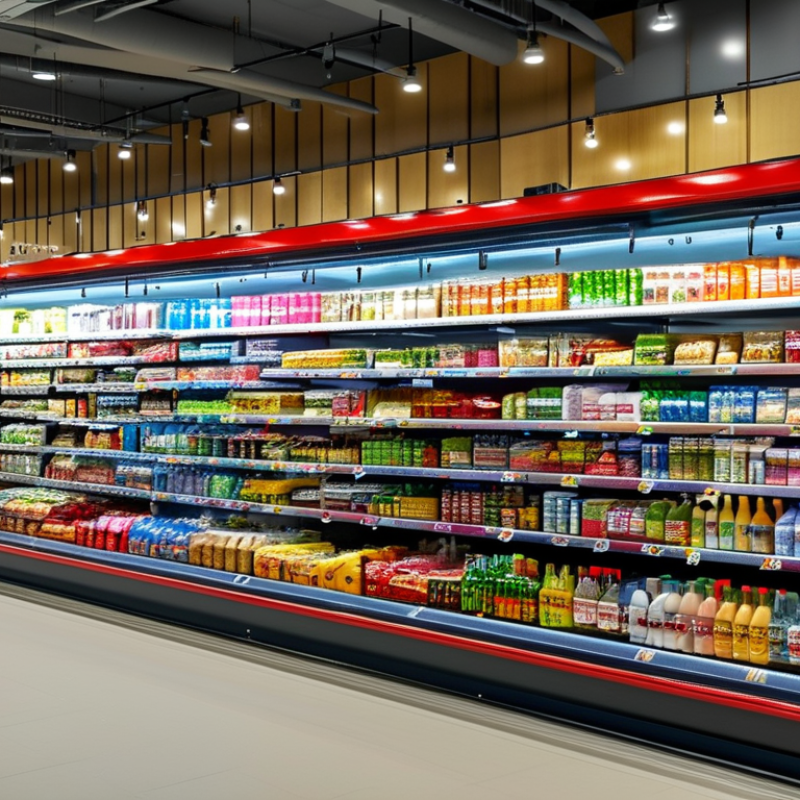
Supermarket refrigeration equipment is essential for maintaining product quality. This equipment typically includes display cases, walk-in coolers, and freezer units. Each type serves a unique purpose and caters to various products. For instance, display cases are vital for showcasing fresh produce and dairy products. According to industry reports, the global supermarket refrigeration market is projected to reach $22 billion by 2026. This growth reflects the increasing demand for energy-efficient solutions.
Refrigeration systems in supermarkets are also evolving towards environmental sustainability. Many newer models use eco-friendly refrigerants and feature advanced technology to minimize energy consumption. Energy-efficient designs can reduce electricity usage by up to 30%, benefiting both the environment and operational costs. However, not all supermarkets are making the switch. Some remain reliant on outdated systems, which can lead to higher energy bills and carbon footprints.
Tip: Regular maintenance of refrigeration units is crucial. Neglecting routine checks may result in system failures, leading to product spoilage and financial losses.
Moreover, the integration of smart technology is changing refrigeration. Systems equipped with IoT devices can monitor temperature and humidity levels in real-time. This provides valuable data for optimizing operations. However, the initial investment can be high, which may deter some supermarket owners. Balancing immediate costs with long-term savings remains a challenge for many.
Tip: Investing in training for staff on new equipment can enhance efficiency. Proper knowledge ensures that technology is used to its fullest potential.
Factors to Consider When Choosing Refrigeration Equipment
When selecting supermarket refrigeration equipment, several factors deserve attention. Energy efficiency is pivotal. It directly impacts operating costs and sustainability. Look for equipment rated for low energy consumption. This makes a significant difference in long-term savings.
The type of goods being stored also matters. Different products require specific temperature ranges. For instance, dairy items need colder conditions than fruits. Ensure the equipment can maintain these temperatures effectively. Flexibility in design is another aspect to consider. Your supermarket layout may change over time. Refrigeration units should be adjustable to adapt to new configurations.
Also, maintenance is key for reliability. Choose models that are easy to clean and service. Complicated units can lead to downtime. Reflection on past equipment choices can provide insights. Did previous models introduce frequent issues? Addressing such questions can refine future selections. Finally, consider the aesthetics as well. Visual appeal can enhance the shopping experience. Balancing functionality and looks may create a more inviting space for customers.
Top 10 Supermarket Refrigeration Equipment for Global Buyers
Top 10 Refrigeration Equipment Brands for Global Markets
In the rapidly evolving supermarket sector, refrigeration equipment plays a crucial role. Top brands in the refrigeration industry are focusing on energy efficiency and innovative cooling technology. Global buyers often seek durable, reliable, and efficient solutions to meet their unique needs.
When choosing refrigeration equipment, consider the energy consumption. Efficient units can significantly reduce electricity bills over time. Look for energy ratings and opt for models that promote sustainability. A small investment in energy-efficient equipment may lead to substantial savings.
Also, assess the maintenance requirements. Some systems need regular upkeep, while others are low maintenance. Understand your operational capacity before making a choice. A reliable service provider can make a difference in the long run. Don’t overlook the importance of warranties and after-sales support.
In addition, keep an eye on space constraints. Select equipment that fits well within your supermarket layout. It’s vital to ensure the units do not obstruct customer flow or visibility. Adaptability to meet your future needs is also important. Always weigh your options and read reviews before making a final decision.
Innovative Technologies in Supermarket Refrigeration Solutions
Supermarkets are evolving with innovative refrigeration technologies that enhance efficiency and sustainability. Modern units use LED lighting along with high-efficiency compressors. These features significantly reduce energy consumption. Additionally, adaptive temperature controls allow for precise management, preserving food quality over extended periods.
Some systems integrate smart technology. These advanced units may monitor energy usage and adjust temperatures in real time. However, the initial investment can be daunting for smaller markets. There is also concern about the complexity of new interfaces. Training staff on these systems is essential but can prove to be time-consuming and costly.
An important detail is the introduction of natural refrigerants. They present a more environmentally friendly alternative to traditional coolants. Yet, the transition requires a reevaluation of safety protocols. Not all staff may be familiar with handling these substances. Overall, the landscape of supermarket refrigeration continues to shift, focusing on technology and sustainability. The balance between cost and innovation remains a challenge.
Maintenance Tips for Supermarket Refrigeration Equipment
Maintaining supermarket refrigeration equipment is critical for optimal performance. Regular checks can prevent costly repairs. Reports indicate that improper maintenance can increase energy consumption by 30%. Proper airflow and clean coils are essential for efficiency. Dirty coils lead to overheating and increased electricity bills.
Monitoring temperature settings is vital. According to industry standards, the ideal temperature for refrigerated displays is between 35°F and 40°F. Anything outside this range can compromise food safety. Regularly calibrating digital thermostats helps ensure accurate readings.
Staff training is key to effective maintenance. Employees should understand the importance of keeping the equipment clean and well-organized. Small issues, when neglected, can escalate into bigger problems. Investing in a regular maintenance schedule pays off. It not only extends the equipment's lifespan but also enhances customer satisfaction by ensuring product quality. Be proactive, not reactive. Regular maintenance can provide peace of mind and keep operations running smoothly.