Top Scooter Motors Suppliers for Global Buyers
Choosing among the top Scooter Motors suppliers takes more than comparing catalog prices. A motor may look suitable on paper, yet perform differently under a rider’s weight, steep streets, or frequent stops. Buyers should examine rated voltage, power, torque, efficiency, and cooling design against the intended scooter and route. Small details matter. A clear specification sheet should state test conditions, not just headline figures.
This guide to Top Scooter Motors Suppliers for Global Buyers focuses on practical checks: product range, sample availability, manufacturing consistency, customization, lead times, and communication after an order ships. Ask suppliers how they inspect windings, bearings, and finished motors, and request relevant quality records. For international shipments, confirm packaging, spare-part support, and delivery terms early. Market requirements vary, so buyers should verify applicable standards for their destination rather than assume one certificate covers every region. A polished catalog is not proof of dependable production. Even experienced teams can give too much weight to a low quotation. Comparing samples and written specifications may take longer, but it can reveal gaps before a production run begins. No supplier is right for every project. The goal is a reliable match, supported by evidence and candid answers.
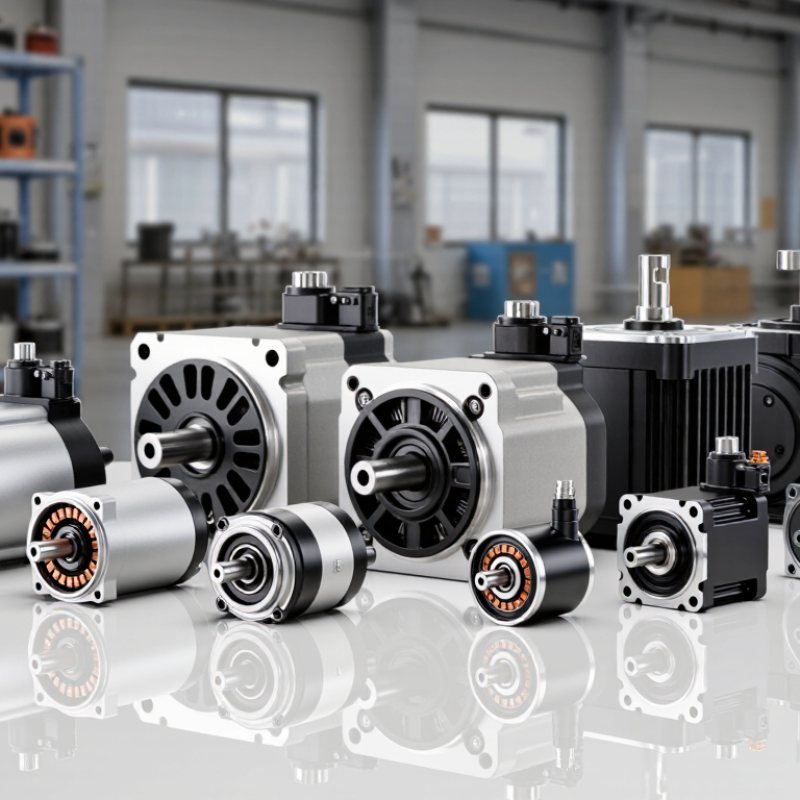
Understanding Scooter Motors and Their Role in Vehicle Performance
A scooter motor turns electrical energy into wheel movement, shaping acceleration, hill-climbing ability, and cruising speed. Its torque matters most when a rider pulls away from a stop or climbs a steep street. A motor with strong low-speed torque can feel responsive, even when its top speed is modest. Small details matter. Wheel diameter, rider weight, and cargo all affect how the same motor performs.
Motor type also changes the riding experience. Hub motors sit inside a wheel and keep the drivetrain relatively simple. Mid-drive motors transfer power through the scooter’s gearing, where fitted, and may handle changing loads differently. Neither design is automatically better for every use. Numbers can mislead. A brief peak-power figure says little about sustained performance on a long climb. Buyers should compare continuous ratings, torque data, thermal limits, and test conditions. Ask suppliers how they verify output under realistic loads, not only in short demonstrations. Check that the motor matches the controller, battery voltage, frame, and intended duty cycle. A mismatch can cause weak acceleration, excess heat, or faster wear. Even a careful specification sheet cannot capture every road surface or riding habit, so field testing remains valuable.
Types of Scooter Motors and Key Technical Specifications
Top Scooter Motors Suppliers for Global Buyers
Types of Scooter Motors and Key Technical Specifications
Scooter motors generally use either a hub or mid-drive layout. Hub motors sit inside a wheel, simplifying the drivetrain and reducing maintenance points. Mid-drive motors transfer power through gearing, which can improve hill performance but adds mechanical complexity. Brushless designs are common because they avoid brush wear and typically need less routine servicing.
Compare rated power, peak power, voltage, and torque together. Rated power describes sustained output; peak power usually applies only briefly. A 36-volt motor and a 48-volt motor may behave differently even when their advertised wattage matches. Check torque in newton-metres, plus wheel size and controller limits. Heat changes the picture. Continuous climbing can reduce output if cooling is inadequate.
Ask suppliers how and under what load they measured efficiency, noise, and temperature rise. A test result without conditions is hard to compare. That matters. Also review ingress protection ratings, cable connectors, and operating-temperature ranges for the intended market. Some specification sheets leave out winding details or test methods; buyers should request clarification rather than assume. A short loaded test, with a temperature reading after repeated acceleration, can reveal issues that a brief no-load run misses.
Top Scooter Motors Suppliers for Global Buyers - Types of Scooter Motors and Key Technical Specifications | Motor Type | Drive Configuration | Typical System Voltage | Typical Rated Power | Main Characteristics | Key Supplier Specifications to Request |
| Brushed DC hub motor | Motor integrated into the wheel; uses brushes and a commutator. | 24–48 V | About 150–500 W | Simple control electronics and generally low initial system complexity. Brushes wear over time, so maintenance needs can be higher than for brushless designs. | Rated voltage and continuous output; brush service life; operating temperature range; wheel fitment; maintenance requirements; ingress-protection rating. |
| Geared brushless hub motor | Brushless motor with internal reduction gears, typically driving one wheel. | 24–60 V | About 250–1,000 W | Gear reduction can provide useful wheel torque in a compact package. Gear material, lubrication, noise, and wear are important design considerations. | Rated and peak power definitions; gear material and service life; torque-speed curve; controller compatibility; axle and wheel dimensions; thermal limits. |
| Direct-drive brushless hub motor | Brushless motor integrated into the wheel without internal reduction gears. | 36–60 V | About 350–1,500 W | Has fewer moving parts than a geared hub motor and can support regenerative-braking designs when paired with a compatible controller. It may be heavier for a given wheel output. | Continuous and peak ratings; motor mass; torque-speed curve; regenerative-braking compatibility; winding temperature limit; axle dimensions. |
| Mid-drive brushless motor | Motor mounted on the frame and connected to the wheel through a belt, chain, or gear system. | 36–60 V | About 250–1,500 W | Separates the motor from the wheel and allows the transmission to influence torque and speed. The drivetrain adds parts that require alignment and maintenance. | Output shaft and mounting dimensions; rated torque and speed; transmission compatibility; cooling method; noise and vibration data; controller and sensor interfaces. |
| Dual-motor brushless system | Two brushless motors, commonly one in each wheel, controlled as a coordinated system. | Typically 48–60 V, depending on the system design | About 500–2,000 W combined rated output | Can provide drive to both wheels. The complete system requires matched motors, controllers, wiring, and thermal management; the stated combined rating should be clearly defined. | Per-motor and combined continuous ratings; controller current limits; motor matching tolerances; wiring and connector specifications; fault protection; system test results. |
| Buyer note: Voltage and power ranges are indicative examples, not universal standards or guaranteed product ratings. Actual performance depends on motor design, controller limits, battery capability, wheel size, cooling, load, and local regulations. Compare suppliers using continuous ratings, documented peak-rating duration, torque-speed curves, thermal limits, dimensions, test reports, and the specified ingress-protection rating. |
How to Evaluate Scooter Motor Suppliers for Global Sourcing
Global buyers evaluating scooter motor suppliers should look beyond quoted price and advertised power. A motor may perform well on a test bench yet behave differently in a complete scooter. Ask for rated voltage, continuous power, peak power, torque data, and operating temperature limits. Check that test conditions are stated clearly. Details matter.
Request sample units and test them with the controller, battery, and wheel setup you plan to use. Listen for unusual noise, measure heat after a sustained run, and record current draw under realistic loads. A brief demonstration is not enough. Keep a simple test log, including ambient temperature and load, so results can be compared fairly. Small steps help.
Assess production consistency, not just one strong sample. Ask how the supplier controls winding, magnet placement, assembly, and final inspection. Request inspection records and clarification on how defects are handled. A polished sample does not guarantee every shipment will match it. I would also check lead times, packaging, spare-part availability, and communication response times before placing a large order. These checks can feel slow, and they may still miss issues. That is worth acknowledging. Ask for written specifications and confirm that revisions are dated, especially when prototypes change during evaluation.
Comparing Supplier Capabilities, Quality Standards, and Support
Top Scooter Motors Suppliers for Global Buyers
A useful supplier comparison starts with the motor’s intended duty, not a headline power rating. Ask for torque and efficiency curves across the operating range. Check whether test results identify voltage, load, temperature, and test duration. Details matter. A curve without test conditions is difficult to compare.
Quality claims need supporting records. Request sample inspection reports, batch traceability details, and documented procedures for checking winding resistance and temperature rise. Confirm which standards apply to the motor and which apply to the complete scooter system. These are not interchangeable. If a supplier offers environmental or vibration testing, review the test method and limits, rather than relying on a certificate alone. One imperfect detail: laboratory results may not predict every road condition, so pilot testing remains useful.
Support capability can shape total ownership costs. Clarify sample lead times, production capacity, spare-part availability, and the process for handling field failures. Ask who reviews technical questions and how quickly they usually respond. Get warranty terms in writing, including exclusions and evidence requirements. Request drawings, connector specifications, and installation guidance before final approval. A polished sales response is helpful, but consistent technical follow-through matters more. Compare suppliers using the same questions and a small, documented evaluation sheet. Don’t skip the awkward questions.
Managing International Procurement, Shipping, and Compliance
Global buyers should assess scooter motor suppliers by more than unit price. Confirm rated voltage, continuous power, peak output, mounting dimensions, connector type, and test conditions in writing. Small specification gaps can delay assembly or trigger costly rework. UNCTAD’s Review of Maritime Transport 2024 reports that seaborne trade reached 12.3 billion tonnes in 2023, growing 2.4%. This scale makes freight planning and dependable documentation essential.
Requirements differ by destination. Before placing an order, confirm the correct customs classification with a qualified broker and check applicable import, labeling, and product-safety rules. Request a commercial invoice, packing list, and origin documents where required. Ask for motor test reports, material declarations, and clear technical datasheets. Paperwork matters. A certificate alone may not answer every customs or engineering question, so verify details early.
Shipping terms should clearly assign responsibility for freight, insurance, customs clearance, and delivery risk. Compare quotations using the same delivery basis, not just the factory price. Ask suppliers to protect shafts and connectors, label cartons consistently, and share shipment dimensions before booking. Keep a small buffer for inspections or port delays. I have seen teams overlook packaging measurements; it is an easy mistake, and worth reviewing before dispatch.