

China’s electric fuel pump market serves automakers, repair networks, and export customers. Yet a supplier’s name alone cannot prove product quality. Buyers need to examine pump design, production controls, test records, and application fit. The details matter: stable pressure, a clean electrical connector, and reliable performance during repeated starts.
A useful quality principle comes from W. Edwards Deming, the quality-management expert: “Quality is everyone’s responsibility.” It applies to Electric Fuel Pumps, where material selection, assembly, inspection, and traceability all shape performance. This is a quality principle, not a substitute for pump-specific test evidence.
This guide looks at leading suppliers in China and the practical evidence behind their claims. It considers product range, manufacturing capability, certifications, technical support, and export experience. Buyers should also verify specifications against their vehicle or system requirements. A polished catalog is not enough. Some information may be difficult to compare, and supplier rankings can change as capabilities and markets shift. That deserves careful review.
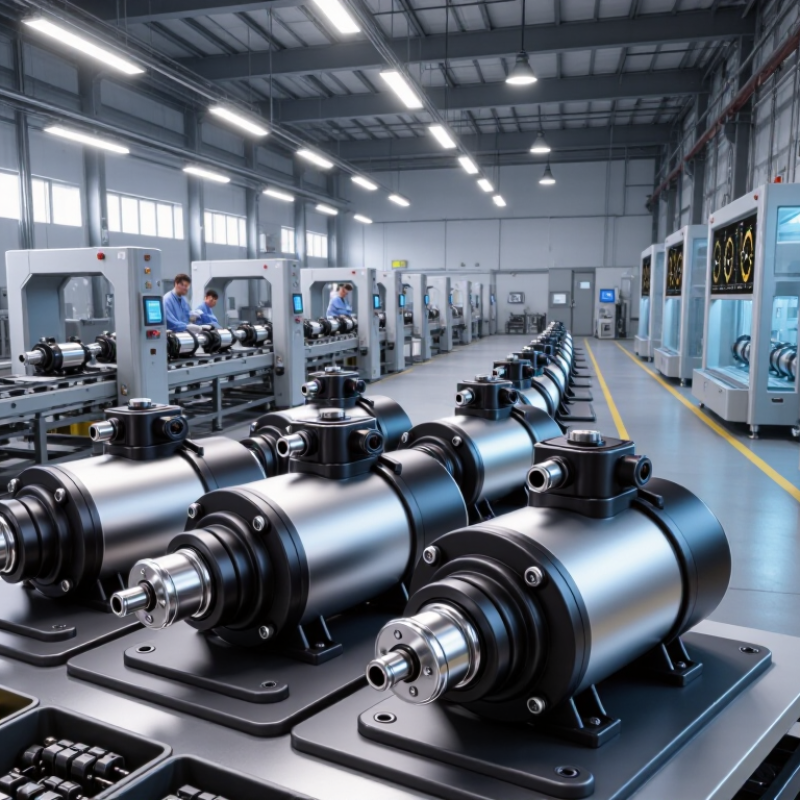
China’s leading electric fuel-pump suppliers differ more by specialization than by size. China’s Association of Automobile Manufacturers reported 30.16 million vehicles produced in China in 2023. That scale supports a deep supplier base, but production volume alone does not verify pump quality.
OEM-focused manufacturers typically develop in-tank modules, matched to vehicle platforms and fuel-system requirements. Their strengths include dimensional control, noise reduction, and durability testing. Specialist pump makers often focus on compact motors, stable fuel delivery, and replacement components. Export-oriented suppliers may offer broader fitment coverage and flexible production runs. Useful details to compare include flow-rate curves, operating noise, and endurance-test conditions.
The wider market is substantial. OICA reported global motor-vehicle production of about 93.5 million units in 2023. Still, that figure is not a measure of electric fuel-pump demand or supplier performance. Ask for test records and traceable specifications. A polished catalogue is not enough. Public, pump-specific defect data can be limited, so buyers should verify claims against samples and application tests.