Top 10 Drinking Water Filtration Systems for Clean and Safe Water
Access to clean and safe drinking water is a fundamental human right, yet millions of people around the world still rely on contaminated sources for hydration. According to the World Health Organization (WHO), an estimated 2 billion individuals currently utilize a drinking water source contaminated with feces, risking serious health issues. In light of these challenges, investing in an effective drinking water filtration system has become increasingly critical for households and communities alike.
With a growing awareness of waterborne diseases and the harmful effects of pollutants, many consumers are turning to filtration systems to ensure the purity of their drinking water. The Environmental Protection Agency (EPA) underscores that filters can significantly reduce the presence of contaminants such as lead, chlorine, and even microbial pathogens, making the choice of the right filtration system a vital step toward safeguarding health. As the market expands, a diverse range of options has emerged, catering to various needs and preferences, whether for residential use or larger-scale applications.
This article will explore the top 10 drinking water filtration systems available today, highlighting their features, benefits, and how they contribute to a healthier lifestyle. As we delve into this critical aspect of personal and environmental well-being, it's essential to understand that the right filtration solution can dramatically enhance the quality of drinking water, thus fostering healthier communities.
Overview of Drinking Water Contamination and Its Impacts
Contaminated drinking water poses a significant threat to public health, with the World Health Organization estimating that contaminated water sources claim approximately 3 million lives annually. Contaminants can range from harmful bacteria and viruses to heavy metals and chemical pollutants that seep into water supplies from industrial processes and agricultural runoff. This can lead to serious health issues, including gastrointestinal diseases, reproductive problems, and even neurological disorders. The persistent presence of microplastics is an emerging concern, with studies indicating that nearly 83% of tap water samples contain microplastic pollution, introducing additional risks into our drinking water.
To mitigate these risks, investing in a reliable drinking water filtration system is crucial. These systems not only remove impurities but also improve the taste and odor of water, potentially encouraging more people to stay hydrated. Regular testing of your water source can help identify specific contaminants and guide the selection of an appropriate filtration system. It’s essential to understand that not all filters are created equal; therefore, reviewing certifications from trusted organizations can provide assurance of efficacy in contaminant removal.
Tips:
Consider incorporating point-of-use filters, which offer targeted protection for specific contaminants and can be easily installed in your kitchen. Additionally, scheduling annual water quality tests can help monitor changes in your water supply, ensuring ongoing safety and compliance with health standards. Lastly, remember to replace filter cartridges as recommended to maintain optimum filtration performance.
Types of Water Filtration Systems: Understanding Your Options
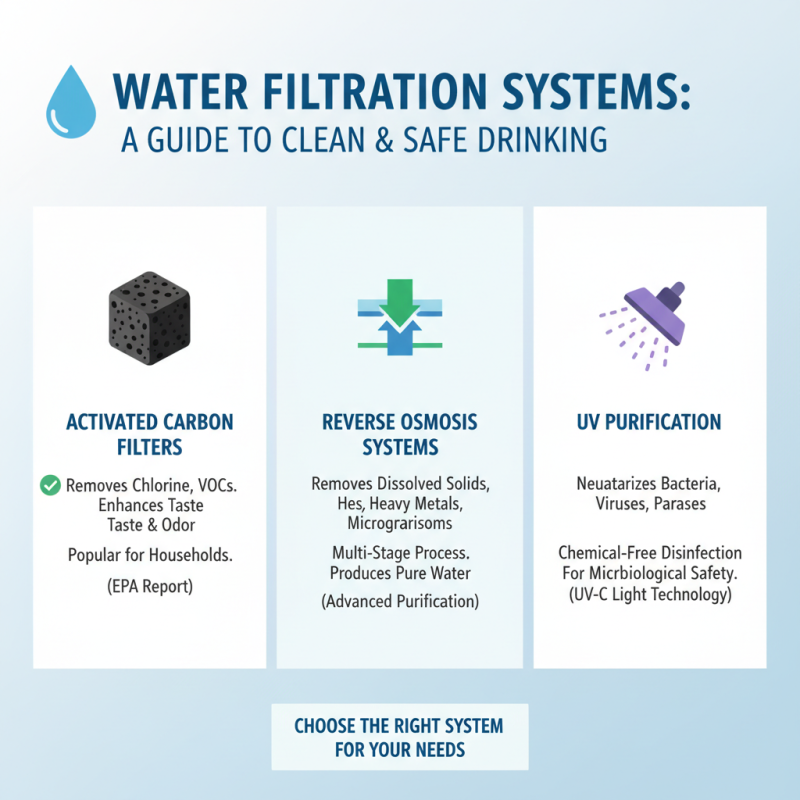
When it comes to ensuring that the water you consume is clean and safe, understanding the various types of water filtration systems available is essential. Water filtration technology has evolved significantly over the years, and consumers now have a wide array of options tailored to specific needs. There are primarily three types of filtration systems: activated carbon filters, reverse osmosis systems, and UV purification. According to a report by the Environmental Protection Agency (EPA), activated carbon filters are known for effectively removing contaminants such as chlorine and volatile organic compounds (VOCs). They enhance the taste and odor of drinking water, making them a popular choice among households.
Reverse osmosis systems, on the other hand, have gained traction in the market due to their ability to remove a broader spectrum of pollutants, including heavy metals and dissolved solids. The Water Quality Association (WQA) states that reverse osmosis can reduce up to 95% of total dissolved solids (TDS), making it a reliable solution for areas with high levels of contamination. Additionally, UV purification systems utilize ultraviolet light to eliminate harmful microorganisms, providing an added layer of safety without the need for chemicals. These systems are particularly useful in regions where biological contaminants are a concern. Understanding these options can empower consumers to make informed decisions in selecting the most suitable water filtration system for their unique circumstances.
Key Features to Look for in a Water Filtration System
When searching for an effective water filtration system, it is crucial to consider several key features that enhance both safety and functionality. First and foremost, look for systems that utilize multi-stage filtration processes, which can remove a wide range of contaminants including heavy metals, chlorine, and bacteria. According to the World Health Organization, water filters that incorporate activated carbon and reverse osmosis technologies are significantly more effective in reducing harmful substances, ensuring that the water you consume is clean and safe.
Another essential feature is the filtration capacity and maintenance requirements. Systems should be capable of filtering a suitable volume of water based on average household needs. The average American uses approximately 88 gallons of water per day for domestic purposes, highlighting the importance of selecting a system that can meet this demand without frequent replacements. Additionally, systems with easily replaceable cartridges and clear maintenance indicators can simplify upkeep and prolong the filter's lifespan.
Tips for selecting a water filtration system include assessing your water quality through local health department reports and choosing a system certified by organizations like NSF International or the Water Quality Association. This certification ensures the product meets stringent safety and performance standards. Moreover, consider systems that provide real-time water quality monitoring, giving you peace of mind about your water's safety and taste at all times.
Top 10 Drinking Water Filtration Systems for Clean and Safe Water
| System Type |
Filtration Method |
Contaminants Removed |
Capacity (Gallon) |
Filter Life (Months) |
Price Range |
| Under-Sink Filter |
Reverse Osmosis |
Lead, Chlorine, Fluoride |
50 |
12 |
$150 - $400 |
| Countertop System |
Activated Carbon |
Chlorine, Sediment |
20 |
6 |
$100 - $250 |
| Pitcher Filter |
Activated Carbon |
Chlorine, Mercury |
2 |
2 |
$20 - $60 |
| Whole House System |
Multi-Stage Filtration |
Chlorine, Sediment, Heavy Metals |
1000 |
24 |
$400 - $1000 |
| Portable Filter |
Filter Straw |
Bacteria, Protozoa |
N/A |
1 |
$15 - $50 |
| UV Water Purifier |
Ultraviolet Light |
Bacteria, Viruses |
20 |
12 |
$100 - $300 |
| Water Distiller |
Distillation |
Heavy Metals, Chemicals |
0.75 |
36 |
$150 - $400 |
| Inline System |
Activated Carbon |
Chlorine, Odor |
30 |
12 |
$80 - $200 |
| Reverse Osmosis System |
Reverse Osmosis |
Fluoride, Nitrate |
50 |
12 |
$200 - $500 |
| Water Softener System |
Ion Exchange |
Hardness Minerals |
30 |
24 |
$300 - $800 |
Top 10 Recommended Drinking Water Filtration Systems
Access to clean and safe drinking water is crucial for health and well-being. According to a report by the World Health Organization (WHO), contaminants in drinking water can lead to diseases and health issues, making effective filtration systems essential. A reliable water filtration system can remove impurities such as chlorine, lead, and bacteria, significantly improving the quality of the water. In fact, studies show that nearly 71% of water pollutants are effectively eliminated by advanced filtration technologies, ensuring that families can access safe drinking water at home.
When selecting a water filtration system, it is important to consider various factors such as the type of contaminants present in your local water supply and the filtration technology employed. For instance, reverse osmosis and activated carbon filters are among the most recommended methods due to their ability to reduce a broad range of harmful particles. A report from the American Water Works Association highlights that homes equipped with advanced filtration systems can reduce the risk of exposure to harmful contaminants by up to 90%. This underscores the importance of investing in high-quality filtration systems, which not only promote better health but also provide peace of mind for consumers seeking clean drinking water.
Installation and Maintenance Tips for Water Filtration Systems
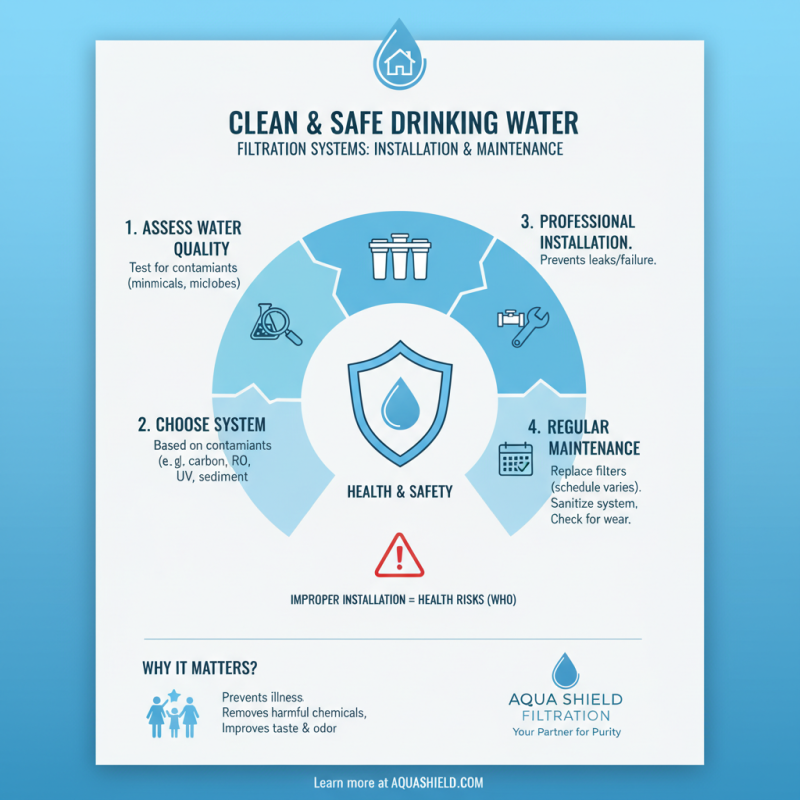
When it comes to ensuring clean and safe drinking water, the installation and maintenance of filtration systems play a critical role. According to the World Health Organization, contaminants in drinking water can lead to serious health risks, making it imperative to choose and maintain the right filtration system. The installation process typically involves assessing your home’s water quality, understanding the specific filtration needs based on the contaminants present, and following precise instructions to fit the system correctly. It's essential to seek professional help if needed, as improper installation can severely compromise the effectiveness of the filtration system.
Regular maintenance is vital for optimal performance. Industry reports suggest that regular filter changes—often every six months to a year, depending on usage—can significantly reduce the risk of bacterial growth and ensure the system functions efficiently. Cleaning the filters and the filtration unit itself also contributes to a longer lifespan and better water quality. Testing the water periodically after installation is recommended to ensure that the system continues to meet safety standards and that contaminants are being successfully removed. Engaging in routine care not only protects health but also maximizes the investment in water filtration technology, providing peace of mind for families seeking clean drinking water.