Top 10 Business Vehicles for Global Buyers in 2026?
In the rapidly evolving global market, choosing the right Business Vehicle is crucial for success in 2026. The landscape of business transportation is changing due to advancements in technology and growing sustainability concerns. Entrepreneurs and established companies alike must rethink their choices to enhance productivity and reduce environmental impact.
The top business vehicles for 2026 combine efficiency with innovation. Electric and hybrid options are gaining popularity. Companies look for options that not only serve daily operations but also reflect corporate values. A reliable vehicle can enhance brand image and improve customer perceptions. However, it’s important to evaluate the specific needs of different industries. Not every business vehicle suits every market segment.
Investing in the right business vehicle is not without its challenges. Features such as maintenance, operating costs, and resale value deserve careful consideration. Entrepreneurs may feel overwhelmed by the numerous choices available. Prioritizing practical needs can prevent costly mistakes in the future. Thoughtful reflection ensures a vehicle choice aligns with aspirational business goals.
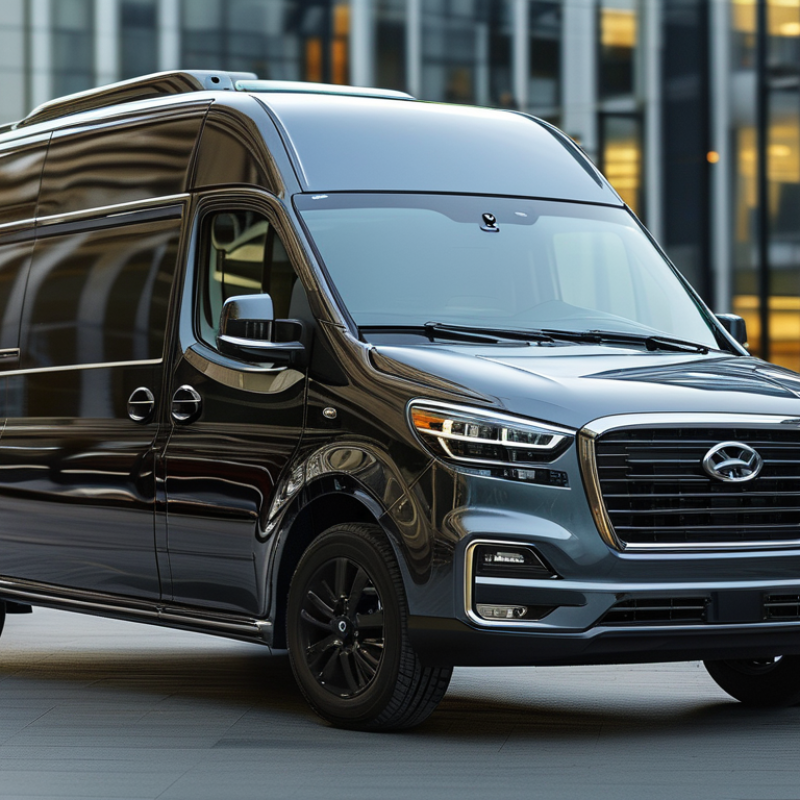
Top Emerging Markets for Business Vehicle Sales in 2026
Emerging markets are reshaping the global landscape for business vehicle sales in 2026. Countries like India and Brazil are expected to experience notable growth. Their expanding middle class drives demand, highlighting the need for efficient transport solutions. Government initiatives aimed at boosting local manufacturing further enhance opportunities.
Electric vehicles are gaining traction in these markets. Infrastructure improvements support this shift, attracting businesses looking for sustainability. However, challenges remain. Import tariffs and regulations can complicate market entry. Companies must adapt their strategies to navigate these complexities.
Africa presents another promising frontier. Nations like Nigeria and Kenya are rapidly urbanizing. They face unique hurdles, such as limited financing options. Yet, the potential for logistics and delivery services is significant. Innovating financial solutions will be crucial for tapping into this market. Adapting to local needs will define success in an ever-evolving landscape.
Key Features to Consider When Choosing Business Vehicles
When selecting a business vehicle, various features play critical roles. Fuel efficiency can significantly impact operational costs. Electric options gain traction as charging infrastructure improves globally. Additionally, the vehicle’s size and capacity must align with specific business needs. Companies that handle goods may prioritize vans with ample cargo space. Meanwhile, those focused on service may prefer smaller, agile models.
Safety features should not be overlooked. Advanced driver-assistance systems can reduce accident risks. These technologies provide peace of mind for drivers and owners alike. Moreover, maintenance costs are crucial to factor in. A reliable vehicle minimizes disruptions to operations. Balancing initial costs with long-term reliability is often challenging.
Lastly, resale value can influence the choice for many buyers. Choosing vehicles with higher retention rates could result in better returns. Buyers should reflect on their choices carefully. While aesthetics are appealing, functionality must take precedence. The right vehicle ultimately supports business growth effectively.
Innovative Technologies Impacting Business Vehicles in 2026
In 2026, innovative technologies are reshaping the landscape of business vehicles. Electric powertrains dominate, offering not only sustainability but also cost efficiency. The integration of advanced telematics allows businesses to track vehicle performance and optimize routes in real-time. These features enhance productivity while minimizing delays.
Autonomous driving technology is evolving too, but not without challenges. Full autonomy might not be realized by 2026. Companies are still figuring out the safety, liability, and ethical implications. Vehicles equipped with semi-autonomous features can assist drivers, yet they require constant vigilance.
Connectivity is critical in this new era. Vehicles are becoming mobile data hubs, improving communication and collaboration. Fleet managers can access vital information through apps and dashboards. However, data privacy poses a risk that needs careful consideration. Businesses must navigate these complexities as they invest in future-ready vehicles.
Top 10 Business Vehicles for Global Buyers in 2026
Sustainability Trends in Business Vehicle Production
The landscape of business vehicle production is shifting significantly due to sustainability trends. Manufacturers are increasingly focused on reducing their carbon footprint. Electric and hybrid vehicles are gaining traction in global markets. Such vehicles offer low emissions and improve fuel efficiency, making them appealing choices for businesses.
Material selection is evolving as well. Lightweight, recyclable materials are becoming standard in vehicle design. This shift enhances efficiency and reduces waste. Additionally, the supply chain is being re-evaluated. Sourcing local materials can minimize transportation emissions and support regional economies.
Despite these positive trends, challenges remain. Production costs for sustainable vehicles are often higher. This can deter some buyers. Furthermore, charging infrastructure may not be adequate in all regions, limiting electric vehicle usability. Businesses must consider these factors as they transition to greener options. Continuous innovation in this field is crucial for overcoming barriers and promoting broader adoption.
Comparative Analysis of Leading Business Vehicle Brands in 2026
The global market for business vehicles is undergoing a significant shift. In 2026, the demand for eco-friendly options is expected to rise sharply. A report by the Global Automotive Research Institute suggests that electric and hybrid vehicles will comprise over 30% of the business vehicle sector. Companies are prioritizing sustainability as regulations tighten worldwide.
Moreover, fleet management solutions are becoming critical. Businesses are investing in advanced telematics to enhance efficiency. A McKinsey report indicates that optimized fleet operations can reduce costs by up to 15%. However, the implementation of these technologies comes with challenges. Many organizations struggle with the transition to digital platforms. Ensuring compatibility with existing systems is often a hurdle.
Market competitiveness is also shifting. International trade dynamics affect vehicle availability and pricing. A well-documented trend is the rising cost of raw materials, impacting manufacturers. This is creating uncertainty for buyers in emerging markets. They need to weigh options carefully and analyze vendor financial stability. Not all brands will survive these turbulent times, making strategic choices crucial.