Top Bird Control Spikes for Global Buyers
Choosing the right Bird Control Spikes requires more than comparing prices or counting stainless-steel wires. Global buyers must consider bird species, ledge width, weather exposure, installation conditions, and local wildlife-protection requirements. A product that performs well on a dry office roof may fail beside a salty coastline. Small details matter.
Dr. Nick Fox, a respected wildlife-management specialist, has said, “Effective bird control begins with understanding bird behavior.” That principle should guide every purchasing decision. Spikes should redirect birds without causing unnecessary injury. Their base should match the surface, while the pin spacing should suit the target species. Stainless steel offers strong corrosion resistance, but quality varies. Polycarbonate bases can reduce weight, although extreme heat may affect durability.
A reliable product needs more than attractive packaging. Buyers should request material specifications, installation guidance, test data, and clear warranty terms. Check the adhesive, too. Dusty concrete can weaken even well-designed systems. This is often overlooked.
Real projects reveal uncomfortable truths. Bird Control Spikes do not solve every infestation. Birds may move to nearby signs, pipes, or unprotected roof edges. Some sellers promise permanent results, but that claim deserves careful questioning. Effective control usually combines spikes with sanitation, habitat management, and regular inspection.
For distributors, contractors, and facility managers, the best choice balances humane design, long service life, installation practicality, and regional compliance. It may not be the cheapest option. Sometimes, that is the point. A thoughtful specification protects buildings, budgets, and wildlife more reliably than a rushed purchase.
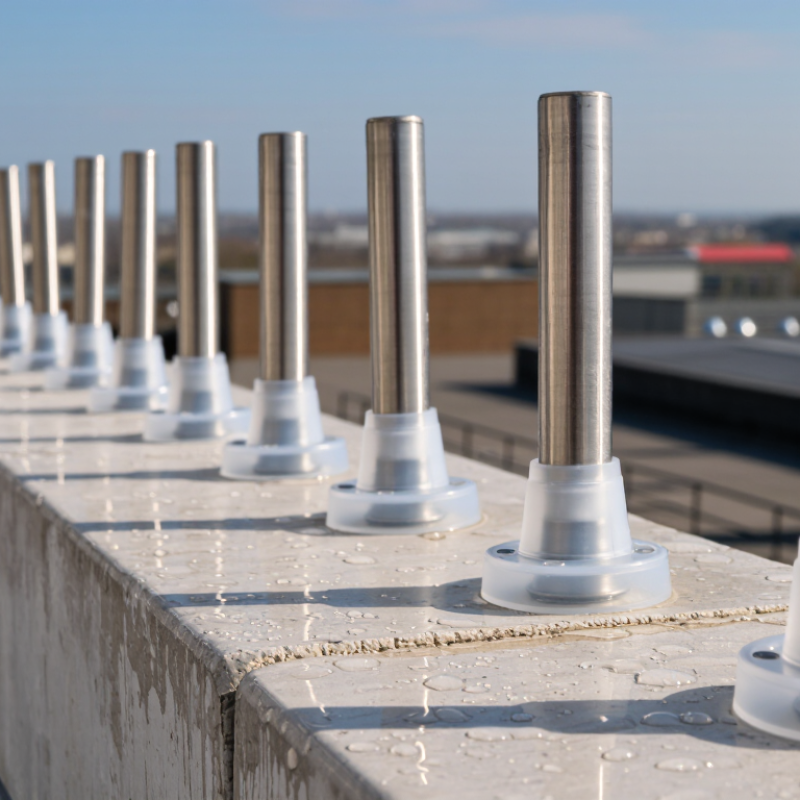
Bird Control Spikes Defined: Coverage Widths from 2 to 10 Inches
Top Bird Control Spikes for Global Buyers
Bird control spikes are defined partly by their coverage width, usually ranging from 2 to 10 inches. The correct width should exceed the ledge depth, not merely match it. A 2-inch strip may suit a narrow sign edge, while a 4-inch model fits many window sills. Wider ledges often require 6, 8, or 10-inch coverage. Small gaps can still create comfortable landing points.
The FAA Wildlife Strike Database recorded 19,367 reported wildlife strikes at U.S. civil airports in 2023. Birds were involved in about 97% of these incidents. This aviation data does not directly measure building roosting, but it shows the scale of bird-related operational risk. For commercial properties, installers should measure every ledge, beam, pipe, and sign separately. One width rarely works everywhere. That is easy to overlook.
Field inspections also show that surface condition affects performance. Dusty stone, peeling paint, and standing water can weaken adhesive attachment. Mechanical fixing may be more dependable on exposed masonry, where permitted by the property design. Stainless steel supports suit harsh coastal air, while UV-resistant polymer bases can reduce weight on delicate surfaces. These are practical trade-offs, not universal rules.
A 10-inch spike installed on a 3-inch sill may look excessive. It can also collect debris if poorly aligned. Conversely, a narrow product may leave enough room for pigeons to settle beside it. The USDA APHIS Wildlife Damage Management Technical Series stresses site assessment and species-specific control planning. Buyers should treat coverage width as a measured requirement, then verify substrate, weather exposure, cleaning access, and local installation rules.
Top Bird Control Spikes for Global Buyers
Bird Control Spikes Defined: Coverage Widths from 2 to 10 Inches
Bird control spike systems are commonly specified by the horizontal surface width they cover. This reference chart compares coverage widths from 2 to 10 inches, helping buyers match the spike footprint to ledges, signs, beams, and other protected surfaces. Actual installation requirements depend on the site geometry and the product specification.
Stainless Steel Grades 304 and 316 for Corrosion Resistance
Top Bird Control Spikes for Global Buyers
Stainless steel grade matters when bird control spikes face rain, salt, or industrial moisture. ASTM A240/A240M specifies 304 stainless steel with roughly 18% chromium and 8% nickel. Grade 316 adds molybdenum, typically around 2–3%, improving resistance to chloride-induced pitting. This difference becomes practical on coastal roofs, marine facilities, and exposed loading areas.
Salt changes the decision. ISO 9223:2012 classifies atmospheric corrosion from low to extreme conditions, showing why identical products can perform differently across regions. A 304 spike may suit sheltered urban walls, while 316 is more appropriate near seawater or frequent salt spray. AMPP corrosion guidance also identifies chlorides as a major cause of localized stainless-steel attack. The vulnerable points are often welds, cut edges, and trapped dirt beneath the base.
Details matter. Buyers should request material certificates, grade verification, and clear weld-finishing information. Avoid mixing stainless steel with incompatible metals without checking galvanic corrosion risks. Regular rinsing can remove salt deposits, but maintenance is still required. No grade is maintenance-free. A common mistake is selecting 316 everywhere without assessing exposure, budget, and drainage. I would not treat “corrosion-resistant” as permanent protection. Performance depends on installation quality, cleaning access, and the actual atmosphere around the spikes.
Top Bird Control Spikes for Global Buyers - Stainless Steel Grades 304 and 316 for Corrosion Resistance
| Product Configuration | Typical Bird Size | Recommended Stainless Steel | Typical Strip Length | Typical Protected Width | Common Installation Areas | Corrosion-Resistance Guidance |
| Single-row narrow spikes | Small perching birds | 304 stainless steel | 330–500 mm | 50–100 mm | Window ledges, narrow signs, small beams | Suitable for general outdoor exposure away from persistent salt spray. |
| Double-row medium spikes | Pigeons and similar medium-sized birds | 304 stainless steel | 330–500 mm | 100–150 mm | Parapets, roof edges, pipes, air-conditioning units | A practical general-purpose grade for urban and inland environments. |
| Triple-row wide spikes | Large pigeons and heavier perching birds | 304 or 316 stainless steel | 330–500 mm | 150–200 mm | Wide ledges, warehouse beams, rooftop equipment | 316 is preferable where chloride exposure or frequent salt contamination is expected. |
| Extra-wide multi-row spikes | Large birds and high-pressure roosting areas | 316 stainless steel | 330–500 mm | 200–250 mm | Marine-facing roofs, bridges, loading bays, industrial structures | Best suited to coastal, marine, de-icing-salt, and chemically aggressive conditions. |
| Flexible-base spikes | Small to medium-sized birds | 304 stainless steel with flexible polymer base | 330–500 mm | 100–150 mm | Curved surfaces, cables, rounded architectural details | Use 316 components when the flexible base is exposed to salt-laden moisture. |
| Heavy-duty long-point spikes | Large birds and persistent roosting activity | 316 stainless steel | 330–500 mm | 150–250 mm | Ports, coastal facilities, tall industrial buildings | 316 offers improved resistance to pitting and crevice corrosion compared with 304 in chloride-rich environments. |
Material and purchasing notes: Stainless steel grade 304 is widely used for general outdoor applications, while grade 316 contains molybdenum and is generally preferred for coastal, marine, de-icing-salt, and other chloride-rich environments. Actual service life depends on exposure, installation quality, surface contamination, drainage, cleaning, and contact with dissimilar metals. Dimensions shown are typical purchasing ranges and should be verified against the target ledge and bird species.
Selecting Spike Rows by Ledge Depth, Bird Species, and Pressure
Choosing bird control spikes starts with the ledge, not the product label.
Measure the usable depth, including hidden corners and drainage lips. A narrow sill may need one continuous spike row. Deeper ledges often need overlapping rows, because birds can land behind the first barrier. Gaps invite perching. Small gaps matter.
Species also changes the specification. Pigeons exert different pressure from gulls, crows, or starlings. Heavier birds need stronger bases, wider coverage, and secure fixing points. The FAA’s Wildlife Strikes to Civil Aircraft in the United States, 1990–2023, recorded 19,367 reported wildlife strikes in 2023. That aviation data does not directly measure buildings, but it shows why species identification and site pressure deserve careful attention. Do not size spikes by appearance alone.
Pressure can rise near food waste, water, nesting material, or warm roof equipment. The European Commission’s EU Pollinator Monitoring Scheme reports continuing biodiversity pressure across monitored habitats, reminding buyers that deterrents should be targeted rather than excessive. Use durable, humane systems that exclude birds without trapping them. Check local wildlife rules before installation.
I have seen a common mistake: selecting the longest row first. It looks safer, yet poor placement can leave landing space untouched. Recheck after installation. Watch the ledge at dawn and dusk. Then adjust coverage, fixing points, or row spacing when bird behavior proves the original plan wrong.
Global Buyer Checklist: EN, ASTM, RoHS, and Installation Requirements
Top Bird Control Spikes for Global Buyers
For global buyers, compliance should guide product selection, not follow it. Check relevant EN requirements for materials, performance, and product safety. ASTM references may support testing methods, especially for durability and weather exposure. RoHS documentation should confirm restricted substances are controlled in metal, plastic, coatings, and packaging components. Request current declarations, laboratory reports, and batch traceability. A certificate alone is not enough.
Tips: Ask for the exact standard number and test scope. Compare the report with the shipped model. Check whether the documents cover the destination market. Also inspect the base material, wire thickness, adhesive compatibility, and packaging labels.
Installation quality affects bird control more than many buyers expect. Measure ledges before ordering. Remove dust, grease, loose paint, and nesting debris from the surface. Use mechanical fasteners on rough masonry when suitable, and verify adhesive curing temperatures. Leave drainage paths open. Spikes should not create sharp hazards for workers or damage waterproof membranes. Local building rules may also affect fixing methods and access procedures.
One practical lesson is easy to miss: a compliant product can still fail on a poorly prepared ledge. No checklist catches every site error. Record surface conditions, installation dates, weather, and maintenance findings. Recheck corners and gaps after strong wind. Small omissions often become the expensive part.