10 Tips for Choosing the Best Training Swimsuit
Choosing the right Training Swimsuit can change how a session feels from the first dive to the final lap. A suit should stay secure during flip turns, resist chlorine, and support repeated movement without distracting you. It should also match your training habits, body shape, and comfort preferences. The fastest-looking suit is not always the most practical choice.
Bob Bowman, Olympic swimming coach and a respected swim-training authority, has said, “There are no secrets. It’s the result of preparation, hard work, and learning from failure.” His point applies to swimwear, too. A reliable Training Swimsuit supports consistent preparation, but it cannot replace technique or discipline.
Small details matter. Check whether the straps remain flat against your shoulders. Notice if the fabric becomes loose after several pool sessions. Test the leg openings while stretching, kicking, and pushing from the wall. A suit that feels fine in the changing room may pinch after forty minutes.
Fit comes first.
Still, choosing swimwear is not perfectly scientific. Personal comfort can be difficult to measure, and online sizing charts sometimes disappoint. That is why practical testing matters. Consider fabric durability, coverage, lining, drying time, and chlorine resistance before judging style. These ten tips will help you compare options more carefully and select a Training Swimsuit built for real practice, not just a single impressive photograph.
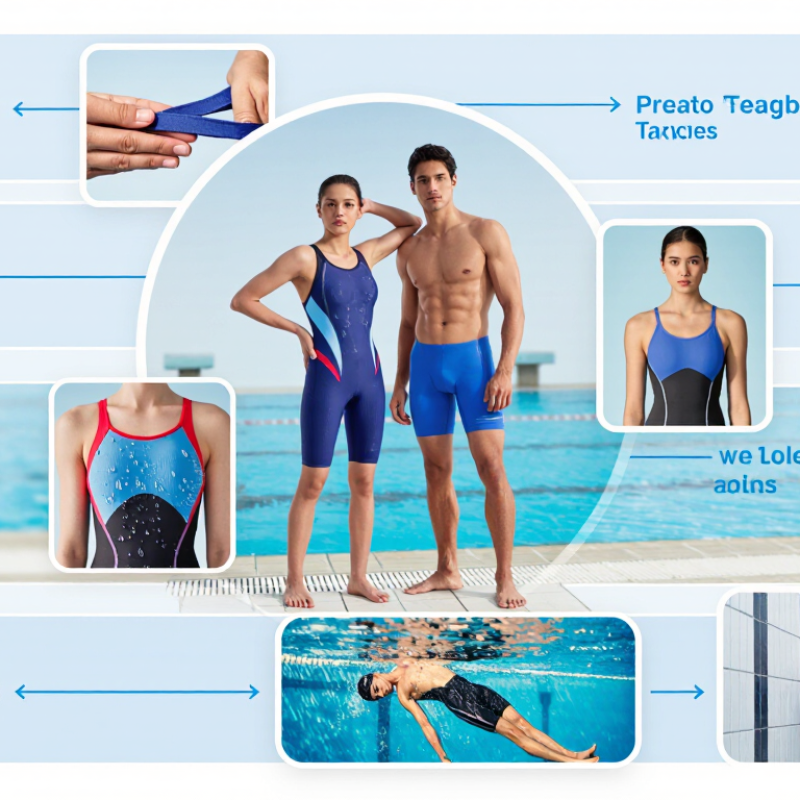
Defining the Purpose and Features of a Training Swimsuit
A training swimsuit should serve the session, not imitate a racing suit.
Define the purpose before judging its color or cut. Daily lap swimming needs chlorine resistance, stable straps, and fabric that recovers after repeated stretching. Technical drills need a secure fit around the shoulders and hips. Open-water practice may require stronger coverage and better visibility.
World Aquatics competition rules limit swimwear coverage and require non-transparent materials, but training suits can offer more practical support (World Aquatics Swimming Rules, 2025).
Check the seams with your fingers. Rough stitching can become painful after forty minutes. A suit should feel firm, never restrictive, when you raise both arms. Too much compression may reduce comfort during long technique sessions. That mistake is easy to make.
Check the seams with your fingers.
Rough stitching can become painful after forty minutes. A suit should feel firm, never restrictive, when you raise both arms.
Material choice also deserves attention. Polyester represented about 57% of global fiber production in 2023, while recycled polyester accounted for roughly 13% (Textile Exchange, Materials Market Report 2024).
These figures do not prove that one suit lasts longer. They only show why fiber sourcing matters. Rinse the suit immediately after chlorine exposure and dry it away from direct heat.
In my experience, careful washing often matters more than a higher price. Still, I sometimes choose a suit for appearance first. That is not the most reliable method.
Check the size chart, strap placement, lining, and care instructions before buying. Five minutes of inspection can prevent months of irritation.
Choosing the Right Fabric for Comfort, Durability, and Performance
A training swimsuit should feel dependable before it looks fashionable. In my experience, fabric choice determines comfort during repeated pool sessions. Polyester blends with PBT fibers usually resist chlorine, fading, and shape loss well. They can feel slightly firmer than softer materials. That firmness supports a secure fit during turns and drills.
Nylon with elastane feels smooth and flexible against the skin. It suits swimmers who value easy movement and a softer touch. However, elastane can weaken faster under frequent chlorine exposure. Check the fabric percentage, not only the product description. A dense weave also matters. Hold the swimsuit toward a light source. Thin areas may reveal uneven construction.
Look for flat seams, a supportive lining, and fabric recovery after stretching. The material should return to shape without feeling painfully tight. I once chose a very soft swimsuit that felt excellent in the fitting room. After several weeks, it loosened around the straps. That mistake changed how I judge durability. Comfort matters, but it cannot replace reliable recovery. Rinse the suit with cool, clean water after every session. Avoid hot dryers and rough surfaces. No fabric is perfect. Your pool temperature, training frequency, and skin sensitivity should guide the final choice.
Polyester and polyester–PBT fabrics are generally strong choices for frequent pool training because they offer high chlorine resistance and reliable shape retention. Nylon is typically softer and comfortable but may degrade faster with repeated chlorine exposure. Recycled polyester can provide performance similar to conventional polyester while supporting the use of recycled fibers. For the best fit, also consider fabric weight, lining, construction quality, and the manufacturer’s care instructions.
Selecting a Proper Fit for Freedom of Movement
10 Tips for Choosing the Best Training Swimsuit
Selecting a Proper Fit for Freedom of Movement
Tip 1: Check the shoulder straps. They should stay flat without digging into your skin. Tip 2: Lift both arms overhead. The fabric should not pull sharply across your shoulders. Tip 3: Bend forward and twist your torso. A well-fitted swimsuit should move with you, not against you. Tip 4: Inspect the leg openings. They need gentle contact, without leaving deep red marks.
Tip 5: Test the torso length carefully. Too much tension can restrict breathing during repeated laps. Tip 6: Look for secure coverage around the chest and back. Adjustability improves comfort, especially during vigorous drills. Tip 7: Try several movements before buying. Walk, stretch, and simulate a streamlined position. Fit testing is imperfect, but it reveals pressure points. I once chose a suit that felt fine standing still, then noticed shoulder strain after ten minutes in the pool.
Tip 8: Avoid excessive looseness. Extra fabric can create drag and shift during turns. Tip 9: Check the seams with your fingertips. Smooth, flat seams help prevent rubbing near the shoulders and hips. Tip 10: Consider your training routine. Frequent swimmers may prefer durable, flexible fabric that keeps its shape after repeated use. A swimsuit should feel supportive, not restrictive. Small adjustments matter. If breathing feels limited or movement becomes awkward, reconsider the size or cut before regular training.
Evaluating Care Requirements, Cost, and Long-Term Value
10 Tips for Choosing the Best Training Swimsuit
A training swimsuit should survive repeated chlorine exposure, stretching, and rough pool edges. I check the fabric after each session. Does it recover, or stay loose around the shoulders? A firm fit usually lasts longer, but extreme tightness can make daily training uncomfortable. Look for secure stitching, smooth seams, and fabric that feels substantial without becoming heavy when wet.
Care requirements strongly affect real cost. Rinse the swimsuit with cool, fresh water immediately after swimming. Avoid hot washing, fabric softener, and tumble drying. Press out water gently instead of twisting the material. Then dry it flat in a shaded, ventilated place. Small habits matter. I once left a suit in a damp swim bag overnight, and its fabric developed a dull, tired texture. That mistake changed my routine.
Compare the purchase price with expected training days, not just the checkout total. A cheaper suit may lose shape after one season, while a better-constructed option can support frequent use for much longer. Still, a higher price is not automatic proof of better value. Examine the lining, chlorine resistance, seam strength, and care instructions. Keep a second suit if possible, allowing each one to dry completely between sessions. This may increase the initial cost, but it can reduce wear and discomfort over time. My own judgment is not perfect; pool conditions, washing habits, and body movement all change durability. Track those factors before deciding.