7 Tips for Choosing the Best Premium Baseball Cap?
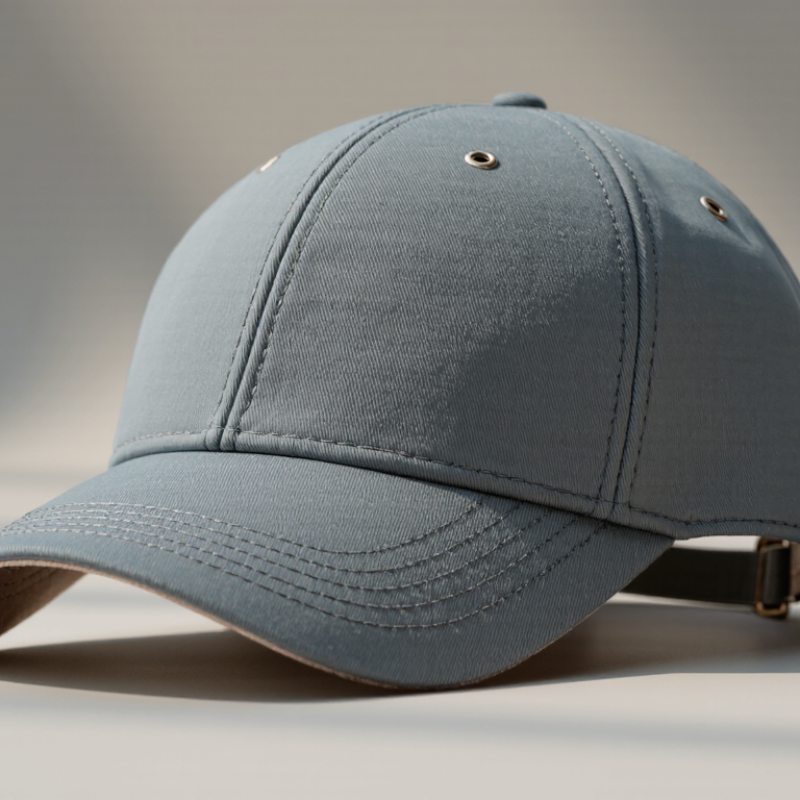
A Premium Baseball Cap can look simple on a shelf, yet small construction details often decide whether it feels comfortable after a full day. The crown should sit securely without pressing your temples, while the brim should hold its shape without blocking your view. Check the stitching around the panels, the finish of the eyelets, and the feel of the inner sweatband. These details are easy to overlook in a product photo.
Fit matters most. A cap that suits one head may feel awkward on another. Check the sizing range and adjustment system, then consider whether the fabric will breathe during warm weather or provide enough structure for regular wear. Materials, stitching, and stated care instructions can offer useful clues, but a high price alone proves little. Look for clear product information and consistent customer feedback rather than relying only on polished brand language.
Small details matter.
The tips below explain how to compare construction, comfort, materials, sizing, and value before choosing. They also address durability and everyday styling, so you can match a cap to how you actually plan to wear it. There is no perfect choice for everyone. Even a well-made cap may not suit your head shape, and online photos can make colors or proportions look different. That uncertainty is worth remembering. A thoughtful check before buying can help you choose a cap that feels right beyond the first try-on.
Measure Head Circumference and Match It to the Brand’s Size Chart
Measure your head before comparing premium baseball caps; guessing from an old hat can mislead. Place a soft tape just above your eyebrows and ears, then circle the fullest part at the back. Keep it level and snug, but do not press into your skin. Write down the measurement in centimeters. Repeat it once. Small differences matter.
The U.S. Army’s 2012 ANSUR II anthropometric survey reports average head circumferences of about 57.1 cm for men and 55.0 cm for women in its study sample. These are reference figures, not universal sizing rules. Match your own measurement to the specific cap’s size chart, and follow its instructions if your number falls between sizes. A small mistake is easy: pulling the tape too tight. Hair volume, head shape, and crown depth can also affect comfort, even when the circumference seems right. The chart is a starting point, not a guarantee; check the return policy before ordering if fit is uncertain.
Compare Fiber Content and Fabric Weight in Grams per Square Meter (GSM)
When comparing premium baseball caps, check the fiber content before relying on a quick touch test. Cotton often feels soft and breathable, while polyester can dry faster and hold its shape well. Blends may balance those qualities, but the exact result depends on the weave and finishing. Read the label carefully.
GSM means grams per square meter and describes fabric weight. A lower GSM fabric may feel light and airy, useful in warm weather. A higher GSM fabric often feels denser and more structured, though it can also trap more heat. Numbers help, but they do not tell the whole story. Two caps with the same GSM can feel different because their fibers and weaves differ.
Compare caps with similar designs, then handle the crown and brim. Does the fabric spring back after a gentle squeeze? Does the sweatband feel comfortable against your skin? Small details matter. If a seller lists both fiber percentages and GSM, use them together rather than treating either as a quality score. I would also check the care instructions; a sturdy-feeling cap can still shrink or lose shape if washed roughly. Specifications are useful, but they cannot fully replace wearing the cap for a few minutes.
Choose Sun Protection Rated UPF 50+ Under AS/NZS 4399
7 Tips for Choosing the Best Premium Baseball Cap?
Choose Sun Protection Rated UPF 50+ Under AS/NZS 4399
A premium baseball cap should do more than shade your eyes. Check for a clear UPF 50+ claim tested under AS/NZS 4399:2017. In this rating system, UPF 50+ indicates that the fabric allows less than one-fiftieth of UV radiation through under test conditions. That is strong fabric protection, not total-body protection. A standard baseball brim leaves the ears and much of the neck exposed.
Look closely at the cap’s construction. Dense, tightly woven fabric, an opaque crown, and a brim that holds its shape can improve practical coverage. Check whether the UPF claim applies to the finished cap or only to its fabric. Fit matters too: stretched panels or gaps can reduce coverage. Small detail, big difference. The World Health Organization advises sun protection when the UV Index reaches 3 or higher, so a cap is most useful alongside shade, sunglasses, and sunscreen.
Treat the rating as a tested guide, not a guarantee in every situation. The Australian Radiation Protection and Nuclear Safety Agency notes that UV protection can vary with fabric, coverage, and wearing conditions. Sweat, wear, and a poor fit deserve attention. I have seen people choose a high-rated cap, then leave their neck uncovered all afternoon. That choice is easy to overlook. Check the label, then check the coverage in a mirror.
Choosing a Premium Baseball Cap: What UPF 50+ Means
Under AS/NZS 4399, UPF indicates how much UV radiation a fabric blocks. UPF 50+ transmits less than 2% of UV, blocking about 98% or more. Choose a cap made with UPF-rated fabric, and consider brim coverage and fit too.
Percentages are calculated from UPF as 100 × (1 − 1/UPF); the UPF 50+ bar shows the 98% threshold. Actual protection also depends on coverage and how the cap is worn.
Inspect Panels, Seams, Stitching, and Sweatband Construction
A premium baseball cap is not defined by a label alone; its construction tells you more. Hold it at eye level and check whether the panels meet evenly at the crown. The front should feel supportive, not stiff like cardboard. Look for smooth seams without puckering or gaps. Small details matter.
Tip: Turn the cap inside out. Check whether seam allowances lie flat and stitching follows a steady path, especially where panels join. A few uneven stitches may be harmless, but loose threads or skipped sections can signal weak construction. Gently tug the seams; they should not separate easily.
Examine the sweatband, too. It should sit smoothly against the inner edge, with no rough spots or loose corners. A soft, absorbent band can improve comfort, but overly thick padding may feel hot. Try the cap on if possible. I sometimes judge a band by touch and miss how it feels after an hour, so wear time matters. Look for clean attachment and balanced tension rather than perfect-looking stitching alone.
Check Colorfastness and Fabric Strength Using ISO 105-C06 and ASTM D5034
A premium baseball cap should keep its color after sweat, rain, and regular washing. ISO 105-C06 evaluates colorfastness to domestic or commercial laundering under specified test conditions. It can show whether the fabric fades or transfers dye to adjacent material. Ask for the test temperature and wash procedure; results only make sense in context. A dark navy panel may behave differently from a pale one.
Tip: Compare the report with the cap’s actual fabric, color, and finish. A report for a similar material is not a guarantee. Look for both color change and staining ratings, and check whether the tested sample came from production fabric. Small details matter.
ASTM D5034 measures fabric breaking strength using a grab test. It helps assess how much force a fabric can withstand before breaking, but it does not test the whole cap. Seams, eyelets, and the brim may fail differently. Ask whether the report identifies the fabric construction and test direction. Then inspect the cap itself: gently tug the crown panels and look for loose stitching. Not scientific, but useful. A strong fabric can still make a disappointing cap.

