
Kinetico Water

What Is Surface Engineering and How Does It Work?

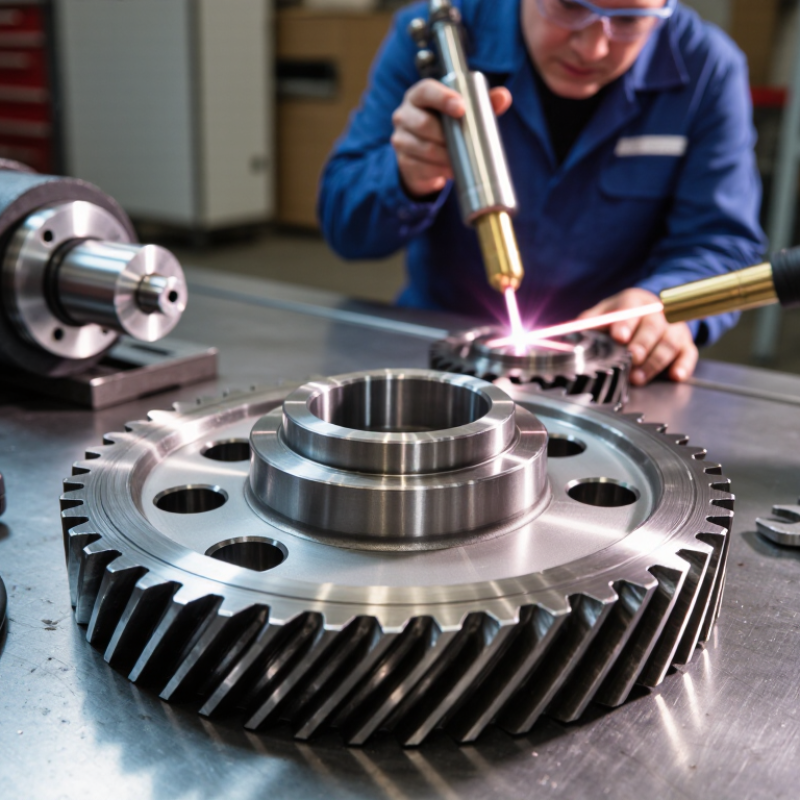
A steel gear can look flawless and still fail at its surface. A thin coating may reduce friction, while a hardened layer can resist wear. Surface Engineering changes a material’s outer region to improve how it performs in service. Depending on the part and its environment, engineers may use coatings, heat treatment, thermal spraying, or laser-based processes. The choice is not cosmetic. It affects friction, corrosion resistance, fatigue life, and maintenance needs.

The scale of the problem is substantial. NACE International’s 2016 IMPACT study estimated that corrosion cost the world about US$2.5 trillion in 2013, or 3.4% of global GDP. The report also noted that corrosion-control practices could reduce costs. These are global estimates, not a prediction for every component. Corrosion scientist David A. Jones describes corrosion as “the destructive attack of a material by reaction with its environment” in Principles and Prevention of Corrosion. Surface engineering helps manage that interaction, but no treatment is universal. A coating that protects a pump shaft may be unsuitable for a hot cutting tool. Engineers must consider the base material, operating temperature, contact forces, and repair options. Small details matter. A rough edge or poorly prepared surface can undermine a carefully selected treatment. The process is technical, but the aim is practical: extend component life without creating a new failure point.
What Is Surface Engineering and How Does It Work?

What Surface Engineering Means

What Is Surface Engineering and How Does It Work?

What Surface Engineering Means

Surface engineering is the deliberate modification of a component’s outer layer to improve how it performs. The core material stays largely unchanged. A steel shaft, for example, may receive a hard coating to resist abrasion while retaining its load-bearing strength. The goal is specific: control friction, wear, corrosion, heat, or chemical exposure where those forces meet the part.

Methods include electroplating, thermal spraying, laser treatment, and diffusion processes. Each changes the surface differently. A coating adds material; heat treatment can alter the existing layer. Engineers select a method by considering the component’s material, operating conditions, cost, and repair needs. A coating that looks sound may still fail if the substrate was poorly cleaned. Small details matter.

The need is substantial. The 2016 IMPACT study on global corrosion costs estimated annual losses at US$2.5 trillion, or 3.4% of global GDP. It also concluded that corrosion management practices could save 15–35% of those costs. Surface treatments are one part of that effort, not a cure-all. Results depend on design and maintenance, and even a technically strong finish can be the wrong choice if it makes inspection difficult. That trade-off deserves more attention.

Why Materials Need Engineered Surfaces

A component can be strong throughout and still fail at its surface. A steel shaft, for example, may carry heavy loads, yet repeated contact can score its outer layer. Moisture can start corrosion in small scratches. The core and the surface face different jobs.

Engineered surfaces help materials meet those local demands. A thin coating can reduce wear or slow chemical attack without changing the whole component. Heat treatment can harden an outer layer while leaving the interior tougher. Fine textures can guide lubricant, change friction, or help water spread. Small details matter.

The right method depends on the material, operating conditions, and expected service life. Engineers may compare coating thickness, surface roughness, adhesion, and wear under representative loads. A result that looks smooth may still contain weak spots. Testing matters. Surface treatments also have limits: a coating can crack, wear away, or fail if its substrate is poorly prepared. That part is easy to underestimate. Choosing a treatment therefore means balancing performance, cost, and repair needs, rather than chasing a single ideal surface.

What Is Surface Engineering and How Does It Work? — Why Materials Need Engineered Surfaces
Surface Engineering Method How It Works What Changes at the Surface Common Purpose Typical Applications Key Consideration
Nitriding Nitrogen diffuses into the surface of a suitable steel, usually through a controlled gas, plasma, or salt-bath process. Creates a hardened surface layer while leaving most of the component’s core properties largely unchanged. Improve wear resistance and resistance to surface fatigue. Gears, crankshafts, and other steel components subject to repeated contact. Material composition and process conditions affect the resulting layer; the process is mainly used for suitable steels.
Physical Vapor Deposition (PVD) Material is vaporized in a vacuum and condenses as a thin coating on the component. Adds a thin functional film without changing the component’s bulk material. Reduce friction and improve resistance to wear or surface damage. Cutting tools, forming tools, and precision components. Coating adhesion depends on surface preparation, coating selection, and process control.
Chemical Vapor Deposition (CVD) Reactive gases form a solid coating through chemical reactions at or near a heated component surface. Deposits a coating that can provide wear, chemical, or thermal protection. Protect surfaces in demanding wear or high-temperature environments. Hard-coated tooling and components requiring protective films. Many CVD processes use elevated temperatures, which may affect the substrate or its prior heat treatment.
Anodizing An electrochemical process thickens the naturally occurring oxide layer on metals such as aluminum. Forms an oxide surface that can improve corrosion resistance and provide a base for coloring or sealing. Protect against corrosion and, depending on the process, improve surface wear performance. Aluminum housings, panels, and components exposed to the environment. The outcome depends on alloy, process conditions, and sealing; anodizing is not a coating suitable for every metal.
Thermal Spraying Powder or wire feedstock is heated and propelled onto a prepared surface, where particles build up as a coating. Adds a comparatively thick coating that can restore dimensions or provide a functional surface. Improve wear, corrosion, or heat resistance, depending on the coating material. Turbine components, industrial rollers, and worn parts requiring surface restoration. Coating quality depends on surface preparation, deposition conditions, and the selected feedstock.
Electroless Nickel Plating A chemical reaction deposits a nickel-based layer without using an external electrical current. Creates a coating that can provide corrosion and wear protection, with coverage on complex shapes. Protect components and help achieve consistent coverage on intricate surfaces. Valves, pumps, and components with recessed or complex geometry. Coating properties vary with bath chemistry and treatment; the component must be compatible with the process.

How a Surface Engineering Process Works

A surface engineering process begins with the part’s job: its material, contact load, temperature, and exposure to moisture or chemicals. Technicians inspect and clean the substrate, then prepare it by methods such as grit blasting or controlled polishing. Small details matter. They select a treatment—such as thermal spraying, diffusion hardening, or a thin-film coating—based on the failure they need to reduce. The treatment is applied under controlled conditions, then checked for thickness, hardness, adhesion, and surface defects.

The checks matter because a hard layer can still fail if it bonds poorly or makes the part too brittle. Holmberg and Erdemir’s 2017 review in the journal Friction estimates that tribological contacts account for about 23% of global energy consumption; roughly 20% is used to overcome friction, while about 3% relates to wear and replacement. That estimate shows why surface performance has consequences beyond one component. A practical process therefore compares treated samples with untreated ones under representative conditions, recording wear and friction rather than relying on appearance alone. No coating is universally best. Results can vary with geometry, preparation, and operating conditions, so a successful trial is not a guarantee of long service life.

What Is Surface Engineering and How Does It Work?

Surface engineering modifies a material’s outer layer to improve properties such as wear, corrosion resistance, or hardness. A process typically involves preparing the surface, applying or forming a treatment, and inspecting the finished layer.

Typical coating or treated-layer thickness ranges are shown in micrometers. Actual thickness depends on the material, process settings, and application requirements.

Common Methods for Modifying Material Surfaces

What Is Surface Engineering and How Does It Work?

Common Methods for Modifying Material Surfaces

Surface engineering changes a material’s outer layer to improve how it performs. The base material remains mostly intact, while its surface gains different properties. These may include greater wear resistance, reduced friction, improved corrosion protection, or better adhesion. The right approach depends on the part’s material, shape, and working conditions. A steel gear needs different treatment from a thin aluminum panel.

Mechanical methods include polishing, grinding, and abrasive blasting. They smooth surfaces, remove contaminants, or create texture for coatings to grip. Chemical treatments can etch a surface or form a protective conversion layer. Electrochemical processes, such as plating, deposit a controlled layer of material. Thermal methods use heat to harden a surface or apply a coating.

Some processes affect only a few micrometers; others create thicker layers. This detail matters. A treatment that improves hardness may also make a component more brittle, and that trade-off is easy to underestimate. Testing parts under realistic loads helps reveal problems that a clean laboratory sample may hide.

Tips: Check the surface before treatment, not just afterward. Record coating thickness and test adhesion. If results vary, look at cleaning and process control; the cause may be less obvious than expected.

Where Surface Engineering Is Applied

Surface engineering is used wherever a component must withstand conditions its base material cannot handle alone. In manufacturing plants, hardened gears resist wear where metal teeth meet under load. Medical instruments may use smooth, corrosion-resistant surfaces that tolerate repeated cleaning. On aircraft and wind turbines, protective layers help manage oxidation, erosion, and temperature changes. Small changes matter.

Building systems use treated glass to reduce glare or improve heat control, while tools may receive low-friction coatings for cleaner cutting. Common processes include thermal spraying, electroplating, nitriding, and physical vapor deposition. The right choice depends on the material, working environment, required thickness, and repair needs. It varies. A coating that performs well in a laboratory may fail if edges are poorly prepared or service conditions differ. That risk is easy to underestimate. Added layers can crack, wear away, or complicate recycling. Engineers test representative parts, inspect adhesion and thickness, and compare performance over time. Maintenance records sometimes reveal details that initial specifications miss.