What Is a Home Water Filtration System and How Does It Work
A home water filtration system is an essential appliance that ensures the safety and quality of the water we consume daily. As concerns over water pollution and contaminants continue to grow, more homeowners are seeking reliable solutions to safeguard their health. But what exactly does a home water filtration system entail, and how does it function?
This article will explore the fundamental components and processes behind these systems, shedding light on how they purify our drinking water. From advanced technologies that remove harmful substances to various types of filtration methods available on the market, understanding the inner workings of a home water filtration system is crucial for anyone looking to enhance their home's water quality. Join us as we delve into the importance of filtration systems and the benefits they provide in promoting a healthier lifestyle.
Definition and Purpose of Home Water Filtration Systems
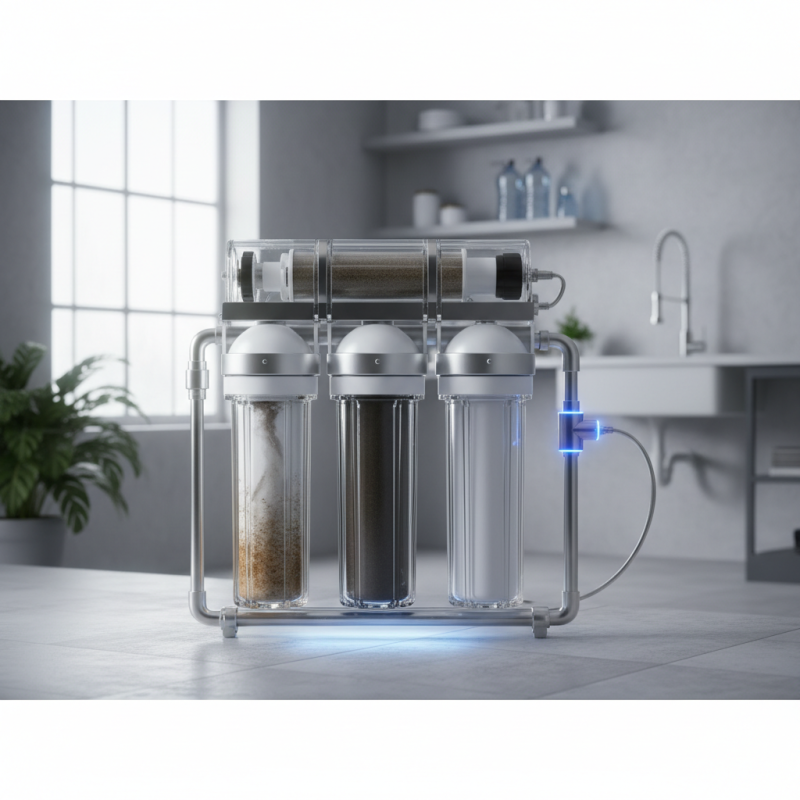
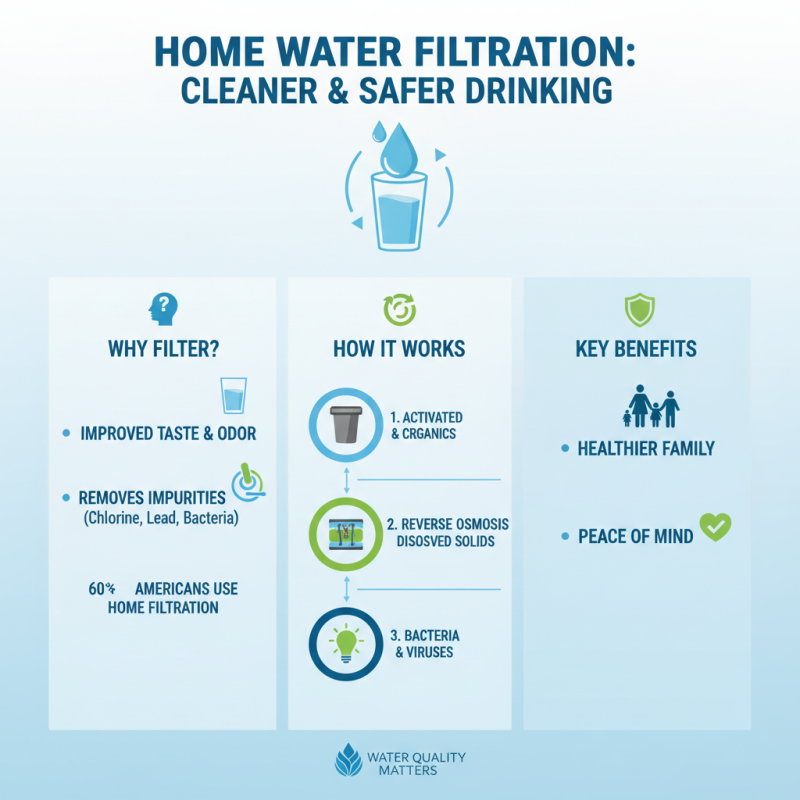
Home water filtration systems are designed to improve the quality of drinking water by removing impurities and contaminants. According to the Water Quality Association, more than 60% of Americans use some form of water treatment at home, indicating a growing concern over water safety and health. These systems typically work by utilizing various filtration methods, including activated carbon, reverse osmosis, and ultraviolet light, to target specific pollutants such as chlorine, lead, and bacteria.
The primary purpose of home water filtration systems is to provide cleaner, safer drinking water and to enhance its taste. Research by the Environmental Protection Agency shows that nearly 1 in 10 Americans relies on private wells for their water supply, which may contain harmful pollutants. Home filtration systems play a crucial role in reducing the risk of waterborne diseases and ensuring that families have access to high-quality water. With health risks associated with contaminants like heavy metals and pathogens, the demand for effective water filtration solutions continues to rise, reinforcing their importance in modern households.
Types of Home Water Filtration Systems Available
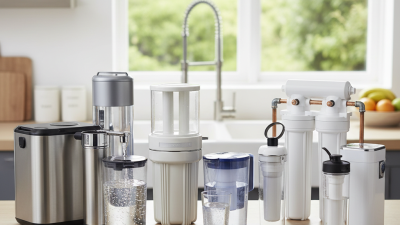
Home water filtration systems have become increasingly popular as consumers seek to ensure the safety and quality of their drinking water. These systems vary widely in terms of technology, capacity, and application, providing options to meet diverse household needs. The most common types of home water filtration systems include activated carbon filters, reverse osmosis systems, and UV purification units.
Activated carbon filters are among the most widely used types due to their effectiveness in removing chlorine, sediment, and volatile organic compounds (VOCs) from water. According to the Water Quality Association, over 80% of households relying on municipal water sources utilize some form of carbon filtration technology. Reverse osmosis systems, which utilize a membrane to filter out impurities, are known for their ability to remove up to 99% of contaminants, including lead and nitrates. A study by the National Sanitation Foundation indicates that reverse osmosis systems are particularly effective for households in regions with hard water or high pollutant levels.
UV purification systems represent a different approach, employing ultraviolet light to inactivate bacteria and viruses in water. These systems are typically used in conjunction with other filtration methods to provide comprehensive water treatment. Research shows that UV systems can reduce 99.99% of harmful microorganisms, making them an essential solution for households relying on well water or experiencing waterborne pathogens. As awareness of water quality issues rises, the market for home water filtration continues to grow, offering an array of reliable and efficient solutions for consumers.
How Home Water Filtration Systems Operate
Home water filtration systems are designed to improve the quality of drinking water, utilizing several methods to effectively remove contaminants. These systems typically employ technologies such as activated carbon filtration, reverse osmosis, or ultraviolet light treatment to address various pollutants. According to the Water Quality Association, approximately 70% of U.S. households use some form of point-of-use or point-of-entry filtration system, highlighting their widespread adoption and trust in enhancing water safety.
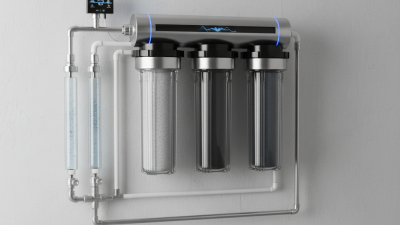
The operation of home water filtration systems varies based on the technology implemented. For instance, activated carbon filters work by using surface adsorption to trap impurities, while reverse osmosis systems push water through a semi-permeable membrane, effectively removing a broad range of contaminants. Ultraviolet (UV) purification, on the other hand, uses light to deactivate harmful microorganisms. Reports estimate that reverse osmosis systems can eliminate up to 99% of total dissolved solids (TDS) from water supply, reflecting their effectiveness in producing high-quality drinking water.
Tips: Regular maintenance is crucial for optimal performance; be sure to replace filters according to the manufacturer’s recommendations. Additionally, conducting periodic water quality tests can help determine if your filtration system is adequately removing contaminants, ensuring your family’s health is safeguarded. Lastly, consider your specific water source and potential contaminants when selecting a filtration method to ensure it meets your household's needs.
What Is a Home Water Filtration System and How Does It Work
| Feature |
Description |
Benefits |
| Type of Filtration |
Activated carbon, Reverse osmosis, UV purification |
Removes contaminants and improves water taste |
| Typical Installation Location |
Under sink, whole-house systems |
Convenience and accessibility for daily use |
| Maintenance |
Filter replacement every 6-12 months |
Maintains efficiency and water quality |
| Cost |
Initial investment varies, ongoing maintenance costs |
Long-term savings on bottled water |
| Common Contaminants Removed |
Chlorine, Lead, Bacteria |
Improves health safety and water quality |
Benefits of Installing a Home Water Filtration System
Installing a home water filtration system offers numerous benefits that can significantly enhance your quality of life. One of the most important advantages is the improvement in water quality. Filtration systems effectively remove contaminants such as chlorine, lead, and sediment, making drinking water safer and more pleasant to taste. Additionally, using filtered water for cooking and bathing can reduce exposure to harmful chemicals that might otherwise be present in tap water.
Another notable benefit is cost-effectiveness. While there may be an initial investment for a home filtration system, it can lead to substantial savings in the long run. Homeowners can reduce their reliance on bottled water, minimizing expenses and the environmental impact associated with plastic waste. Furthermore, a filtration system can prolong the lifespan of appliances like dishwashers and coffee makers by preventing buildup from hard water minerals.
Tips for maintaining your water filtration system include regularly checking and replacing filters according to the manufacturer's recommendations. This ensures optimal performance and the best water quality. Additionally, consider testing your water periodically to understand its composition better and make informed decisions about your filtration needs. Investing a little time in maintenance can lead to significant health benefits and peace of mind regarding your water supply.
Benefits of Installing a Home Water Filtration System
Maintenance and Care for Home Water Filtration Systems
Maintaining a home water filtration system is crucial to ensure its
optimal performance and longevity. Regular maintenance tasks typically include changing filters at appropriate intervals,
which can vary based on the system type and water quality. Most manufacturers provide a guideline for how often filters
should be replaced, ranging from every few months to annually. Keeping a schedule for filter changes not only improves the quality of the filtered water but also enhances the overall efficiency of the system.
In addition to filter changes, cleaning various components of the filtration system is essential. This may involve
descaling the unit to remove mineral buildup and checking hoses and fittings
for leaks or wear. Inspecting and cleaning the storage tank, if applicable, can also prevent contaminants from affecting the
filtered water. It’s important to follow the manufacturer’s recommendations for cleaning and maintenance to avoid damaging
the system. Proper care will ensure that your water filtration system delivers pure and safe water for your home.