Why You Need a Home Filtration System for Clean and Safe Drinking Water
Access to clean and safe drinking water is a fundamental necessity for every household. However, with increasing concerns about water quality, it's becoming clearer than ever that a home filtration system is not just a luxury but an essential investment. Many municipal water supplies may contain contaminants, including heavy metals, chlorine, and bacteria, which pose potential health risks. These hidden dangers can jeopardize your family's well-being, making it crucial to take preventive measures.
Implementing a home filtration system provides a practical solution to ensure that you have purified water readily available at your fingertips. These systems can effectively reduce or eliminate harmful impurities, allowing you to enjoy safe drinking water without worrying about potential hazards. Moreover, the convenience of having filtered water at home can encourage healthier hydration habits for you and your loved ones. Therefore, understanding the benefits of a home filtration system is key to safeguarding your home’s water supply and ensuring a higher quality of life.
Importance of Clean Drinking Water for Human Health and Wellbeing
Clean drinking water is essential for maintaining optimal health and overall wellbeing. According to the World Health Organization (WHO), around 2 billion people worldwide lack access to safely managed drinking water services, leading to significant health risks, including gastrointestinal infections, cholera, and other waterborne diseases. The impact of inadequate access to clean water is staggering, contributing to the deaths of approximately 1.4 million children under five each year. This statistic highlights the urgent need for effective water filtration systems in homes to ensure that families can consume water that is free from harmful contaminants.
Moreover, research conducted by the Environmental Protection Agency (EPA) indicates that more than 50% of Americans rely on contaminated drinking water sources, which may include pesticides, heavy metals, and industrial pollutants. Installing a home filtration system can significantly reduce these contaminants. A report from the Water Quality Association states that household water filtration systems can remove up to 99% of harmful microorganisms, heavy metals, and other pollutants. By investing in a home filtration system, individuals can protect their health and well-being, ensuring that the water they drink supports a healthy lifestyle and helps prevent disease. Access to clean drinking water should not be a luxury; it is a fundamental human right that everyone deserves.
Impact of Water Filtration Systems on Health
Overview of Common Contaminants Found in Tap Water and Their Risks
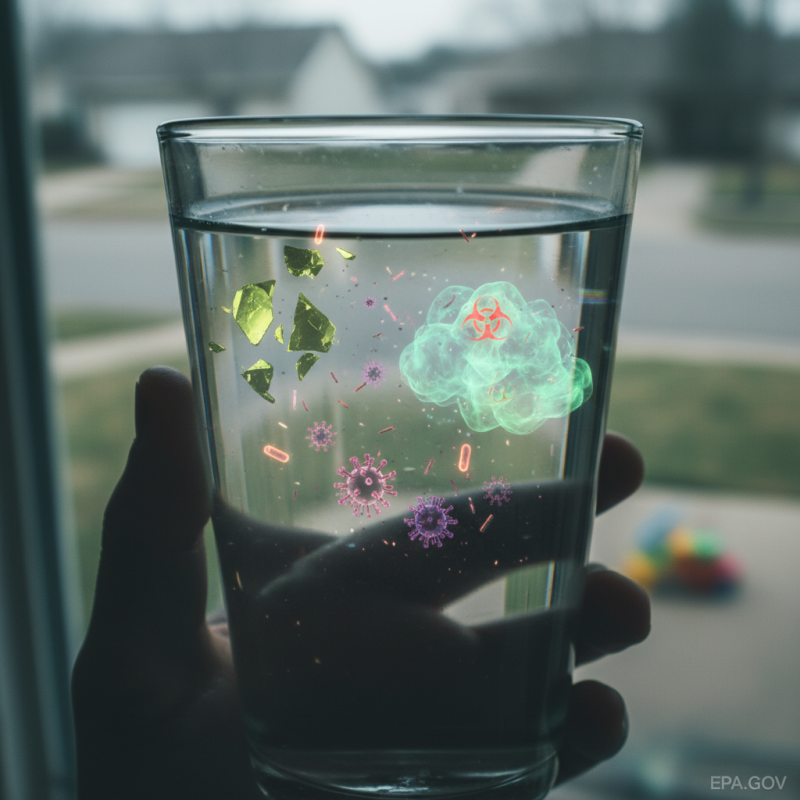
Tap water is often perceived as a safe and convenient source of hydration, yet studies reveal that it can harbor a variety of contaminants that pose potential health risks. According to the Environmental Protection Agency (EPA), over 80 contaminants are currently regulated in public drinking water systems, with many others left unregulated. Common contaminants include lead, chlorine byproducts, and microbiological pathogens, each of which can affect health differently. For instance, lead exposure, especially in children, can lead to developmental issues and decreased IQ, while chlorine byproducts are linked to an elevated risk of cancer with prolonged exposure.
Data from the Centers for Disease Control and Prevention (CDC) highlights that approximately 7 million people in the U.S. are impacted by waterborne illnesses each year, a statistic that underscores the importance of clean drinking water. Furthermore, the World Health Organization (WHO) reports that contaminated drinking water leads to over 500,000 deaths from diarrhea each year globally. These alarming figures illustrate the risks associated with not addressing water quality, emphasizing the need for a home filtration system to mitigate exposure to these harmful substances.
**Tips:** One effective measure is to regularly test your tap water for contaminants specific to your region, as water quality can vary significantly. Additionally, consider using activated carbon filters, which are known to reduce chlorine, heavy metals, and some organic compounds, providing a safer drinking experience. Lastly, ensure that your plumbing is in good condition, as old pipes can leach additional contaminants into your water supply.
Statistics on Waterborne Diseases and the Necessity for Filtration
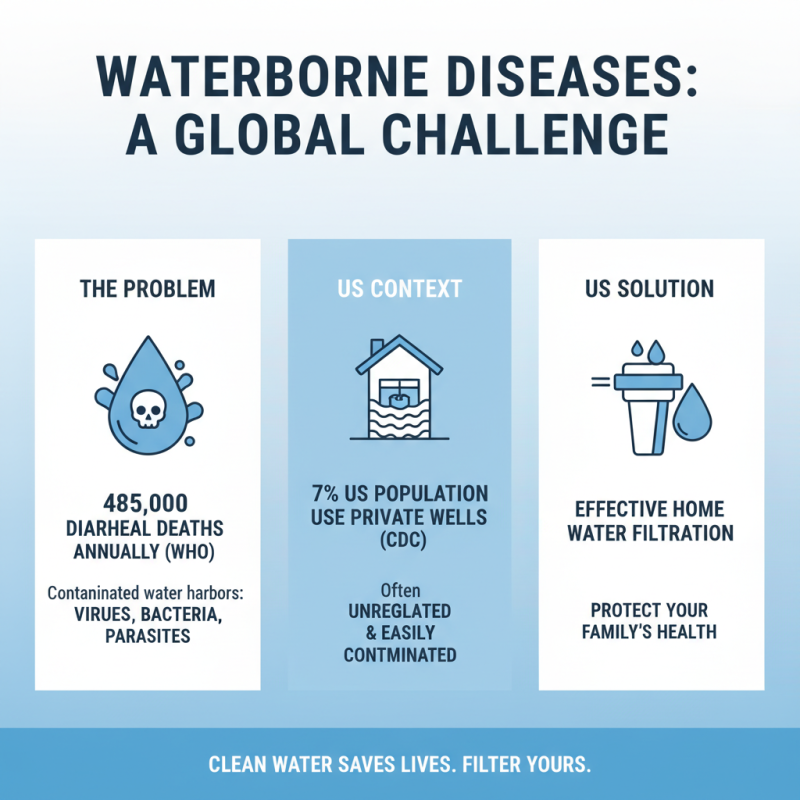
Waterborne diseases remain a significant public health challenge globally, affecting millions each year. According to the World Health Organization (WHO), contaminated water is responsible for approximately 485,000 diarrheal deaths annually. This staggering statistic underscores the urgent need for effective water filtration systems in homes, where the quality of drinking water can directly affect health outcomes. Drinking water can harbor various pathogens, including viruses, bacteria, and parasites. For instance, the Centers for Disease Control and Prevention (CDC) reports that nearly 7% of the U.S. population gets their drinking water from private wells, which are often unregulated and can easily be contaminated.
The necessity for a home filtration system becomes even more critical when considering the chemicals and heavy metals that can seep into water supplies. The Environmental Protection Agency (EPA) notes that nearly 10% of community water systems fail to meet safety standards. Contaminants like lead, chlorine, and fluoride can pose serious health risks, particularly to vulnerable groups such as children and pregnant women. A home filtration system can help eliminate these harmful substances, making water safer and healthier for your family. In fact, studies have shown that well-maintained filtration systems can reduce lead levels by up to 99%, significantly lowering the risk of related health issues. The adoption of filtration systems is not just a preference but a vital step toward ensuring access to clean and safe drinking water for everyone.
Types of Home Filtration Systems and Their Effectiveness in Purification
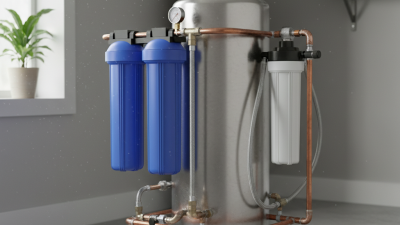
When considering a home filtration system, understanding the various types available and their effectiveness is crucial for ensuring clean and safe drinking water. Common types of home filtration systems include activated carbon filters, reverse osmosis systems, and ultraviolet (UV) purifiers. Activated carbon filters excel at removing chlorine, sediment, and volatile organic compounds, making them a cost-effective solution for improving taste and odor. Reverse osmosis systems, on the other hand, utilize a semi-permeable membrane to eliminate a broader range of contaminants, including heavy metals and certain pathogens. UV purifiers effectively neutralize bacteria and viruses without the use of chemicals, providing an additional layer of safety.
When selecting a filtration system, consider your water quality and specific needs. A water quality test can help identify the contaminants in your supply, allowing you to choose a system tailored to those issues. Additionally, regular maintenance, such as changing filters and cleaning components, is essential to keep your filtration system operating efficiently.
Tip: Always check for certifications from reputable organizations to ensure that the filtration system meets safety and performance standards. Another tip is to evaluate the long-term costs, including replacement filters and energy consumption, to determine the most economical choice for your household.
Long-Term Cost Benefits of Investing in a Home Water Filtration System
Investing in a home water filtration system not only enhances the quality of drinking water but also offers significant long-term cost benefits. According to the Environmental Protection Agency (EPA), household water filters can reduce nearly 90% of contaminants commonly found in tap water, including lead, chlorine, and VOCs. While the initial investment for a filtration system may seem daunting, studies show that homeowners can save approximately $200 to $300 per year by transitioning from bottled water to a robust filtration solution. With bottled water prices averaging around $1 per gallon, relying on it for daily hydration can quickly add up to substantial yearly expenses.
Moreover, over time, household water filtration systems prove to be economically advantageous when considering health-related costs. The Center for Disease Control and Prevention (CDC) reports that waterborne contaminants can lead to serious health issues, resulting in increased medical expenses. By ensuring access to clean and safe drinking water at home, families can reduce potential healthcare costs associated with waterborne illnesses. Additionally, investing in a filtration system contributes to environmental sustainability, reducing plastic waste from bottled water. In the long run, not only does a home water filtration system safeguard your health and family budget, but it also represents a responsible choice for the planet.
Why You Need a Home Filtration System for Clean and Safe Drinking Water - Long-Term Cost Benefits of Investing in a Home Water Filtration System
| Dimension |
Value |
| Average Cost of Bottled Water (per month) |
$30 |
| Cost of Home Filtration System |
$500 |
| Average Lifespan of Filtration System (years) |
10 |
| Total Cost of Bottled Water Over 10 Years |
$3,600 |
| Annual Maintenance Cost of Filtration System |
$100 |
| Total Maintenance Cost Over 10 Years |
$1,000 |
| Total Cost of Filtration System Over 10 Years |
$1,500 |
| Savings Over 10 Years by Choosing Filtration |
$2,100 |