
Kinetico Water

Top High Flow Boiler Condensate Pumps for Sale

A boiler room rarely gives much warning before condensate handling becomes a problem. A receiver fills faster than expected, a discharge line vibrates, or water backs up near a steam trap. These details matter when comparing a High Flow Boiler Condensate Pump for sale. The right unit depends on more than a large flow-rate figure. Buyers should check the required capacity, discharge head, condensate temperature, and expected operating cycle. A pump that looks powerful on paper may still be a poor fit for a long pipe run or a crowded mechanical room. Small details count.

This guide examines pump features and selection points that facility teams can verify before purchasing. It covers construction materials, motor options, receiver capacity, controls, installation space, and routine service access. Clear specifications make comparisons more useful, but actual performance depends on the system layout and operating conditions. Confirm the manufacturer’s pump curve against the site’s flow and head requirements, and ask about temperature limits and compatible fluids. If those figures are missing, pause and request them. That is a reasonable check, not needless caution. No single model suits every boiler plant, and even careful sizing can miss changing loads. The sections ahead offer a practical framework for narrowing choices, evaluating supplier information, and avoiding assumptions that can lead to noise, short cycling, or premature wear.
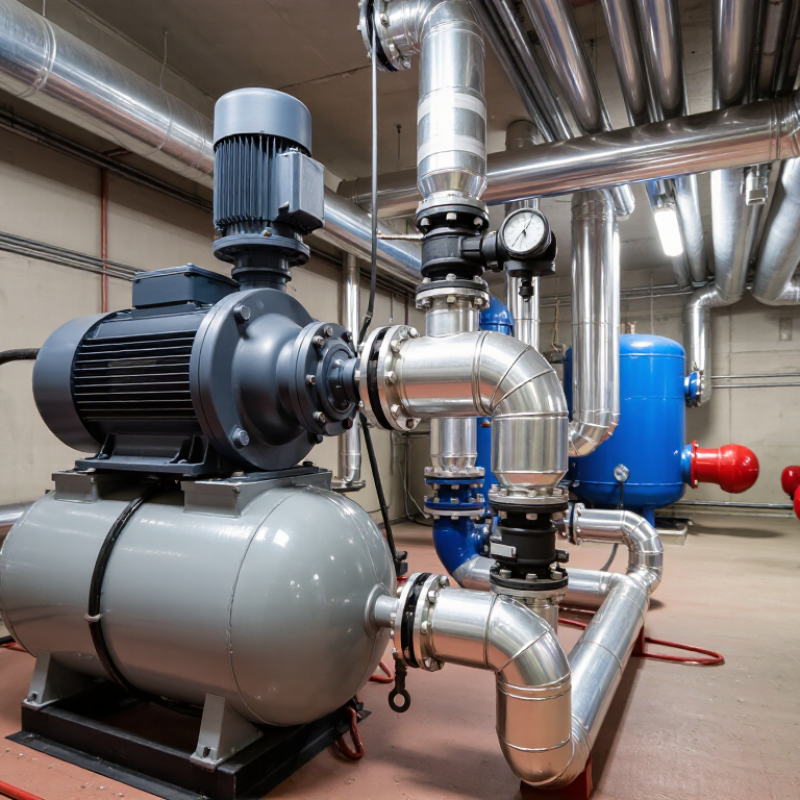
Top High Flow Boiler Condensate Pumps for Sale

What High-Flow Boiler Condensate Pumps Are Designed to Do

Top High Flow Boiler Condensate Pumps for Sale

What High-Flow Boiler Condensate Pumps Are Designed to Do

High-flow boiler condensate pumps move returning condensate from a receiver to a boiler feed tank or pressurized return line. They are selected for peak return rates, not just average daily volume. A pump that is too small may let the receiver overflow during a sudden load change. One that is oversized may cycle too often. Neither is a good operating habit.

The U.S. Department of Energy’s Steam Tip Sheet #8, “Return Condensate to the Boiler,” notes that condensate at 180°F contains about 148 Btu per pound of sensible heat above 32°F. By comparison, 60°F makeup water contains about 28 Btu per pound on the same basis. Returning hot condensate can therefore recover useful heat and reduce the amount of cooler makeup water needed. The actual benefit depends on system conditions. It is easy to overlook that detail.

How Boiler Condensate Pumps Move and Return Hot Water

Top High Flow Boiler Condensate Pumps for Sale

How Boiler Condensate Pumps Move and Return Hot Water

After steam releases heat, it cools into condensate that drains through return piping into a receiver. When the water reaches a set level, a float or level control starts the pump. The pump pushes hot condensate through a check valve and back to a feedwater tank or boiler system. Duplex arrangements can alternate pumps or provide backup during heavy return periods. Actual piping rarely behaves as neatly as a diagram.

Returning hot water saves heat that would otherwise be needed to warm cold makeup water. The U.S. Department of Energy’s Steam Tip Sheet #8 compares condensate at 180°F with makeup water at 60°F: the temperature difference represents about 120 Btu per pound of recoverable sensible heat. For high-flow pump selection, check peak return volume, discharge pressure, temperature rating, and receiver capacity. A pump sized only for average flow may struggle during startup. That detail is easy to miss.

Tips: Confirm the pump’s rated flow at the required total head, not just its maximum flow figure. Check valve operation and inspect strainers regularly; debris can restrict hot-water return. Keep it simple. Record actual operating levels and cycle frequency, then revisit the sizing assumptions. A little field data can prevent an expensive mismatch.

Key Capacity and Material Specifications to Compare

A high-flow boiler condensate pump should be compared by its delivered capacity under real operating conditions. Check the pump curve at your system’s total discharge head; a maximum flow figure alone can mislead. Estimate peak condensate return, receiver volume, and how often the pump may cycle. Include elevation, pipe length, and fittings in the head calculation. Leave a sensible capacity margin, but avoid oversizing so much that short cycling becomes routine. Small details matter.

Material choice depends on condensate temperature and chemistry. Cast iron is common for robust pump housings, while stainless steel may suit applications needing stronger corrosion resistance. Neither choice is universal. Confirm the wetted materials, seal type, and temperature rating against the site’s water-treatment conditions. Also check the motor duty rating and available power. Real installations can be messier than a sizing sheet suggests, so verify assumptions against measured return flow when possible.

Tips: Compare each pump’s flow at your operating head, temperature limit, and material compatibility. Ask for a performance curve and confirm receiver dimensions. If measurements are uncertain, say so; an estimate should not masquerade as a specification.

Types of High-Flow Pumps Available for Boiler Systems

Top High Flow Boiler Condensate Pumps for Sale

Types of High-Flow Pumps Available for Boiler Systems

High-flow boiler systems commonly use receiver-mounted centrifugal pumps, vertical multistage pumps, duplex pump sets, or pressure-powered mechanical pumps. Receiver-mounted centrifugal models suit steady return flows and fit neatly beside a collection tank. Vertical multistage designs can provide higher discharge pressure where condensate must travel upward or across long pipe runs. Duplex sets alternate pumps or start both during peak inflow. Useful during load swings. Pressure-powered pumps use steam or compressed air to move hot condensate, making them worth considering where electrical service is limited or flash steam complicates conventional pumping.

Match pump capacity to the peak return rate, not just the daily average. Check condensate temperature, available net positive suction head, discharge pressure, and the receiver’s usable volume. The U.S. Department of Energy’s Improving Pumping System Performance sourcebook reports that pumping systems account for nearly 20% of global electricity demand, underscoring the value of avoiding oversized, throttled operation. DOE steam-system guidance also estimates that a 10°F rise in boiler feedwater temperature can reduce fuel use by about 1%. Returning hot condensate helps preserve that heat. A catalog flow rating alone is not enough. Field conditions can expose a sizing mistake, so verify actual peak flow and pressure before purchase.

How to Evaluate Pumps for Sale and Match Them to System Needs

Top High Flow Boiler Condensate Pumps for Sale

Choosing a high-flow boiler condensate pump starts with the system, not the largest number on a sales sheet. Measure peak return flow, receiver level, discharge pressure, pipe elevation, and operating temperature. Match the pump curve to the actual duty point; maximum advertised flow may occur at almost no head. Curves matter. Check materials and seal suitability for hot condensate, plus available net positive suction head to reduce cavitation risk.

The U.S. Department of Energy’s Steam Tip Sheet #8, “Return Condensate to the Boiler,” estimates that each 10°F rise in feedwater temperature can reduce boiler fuel use by about 1%. That makes dependable condensate return an efficiency concern, not merely a plumbing detail. Still, a neat calculation can mislead: real systems have surges, pressure changes, and imperfect measurements. Measure the peaks. Confirm the pump can handle short bursts without excessive cycling, and check whether a standby unit is needed for critical service.

Tips: Ask for the pump curve, motor data, temperature limits, and test conditions. Compare them with measured site conditions, not assumptions. Record flow during startup and normal operation; one snapshot may miss the hardest duty.