What is a Green Sliding Window and Its Benefits?
The concept of the Green Sliding Window is gaining traction in the building industry. As sustainability becomes essential, more firms are adopting eco-friendly design elements. According to a report by MarketsandMarkets, the green building materials market is projected to reach $364 billion by 2022. This highlights the increasing demand for sustainable options like the Green Sliding Window.
These windows not only improve energy efficiency but also contribute to better indoor air quality. The U.S. Green Building Council notes that energy-efficient buildings can save up to 30% on energy costs. However, some professionals remain skeptical. They question whether the long-term benefits justify the initial investment.
Despite these concerns, the advantages of Green Sliding Windows are evident. For instance, low-emissivity (Low-E) glass reflects heat while allowing light in. This technology can significantly reduce heating and cooling expenses. The integration of these windows into modern designs reflects a shift toward eco-conscious construction. However, industry players must continue to evaluate their effectiveness and make necessary adjustments.
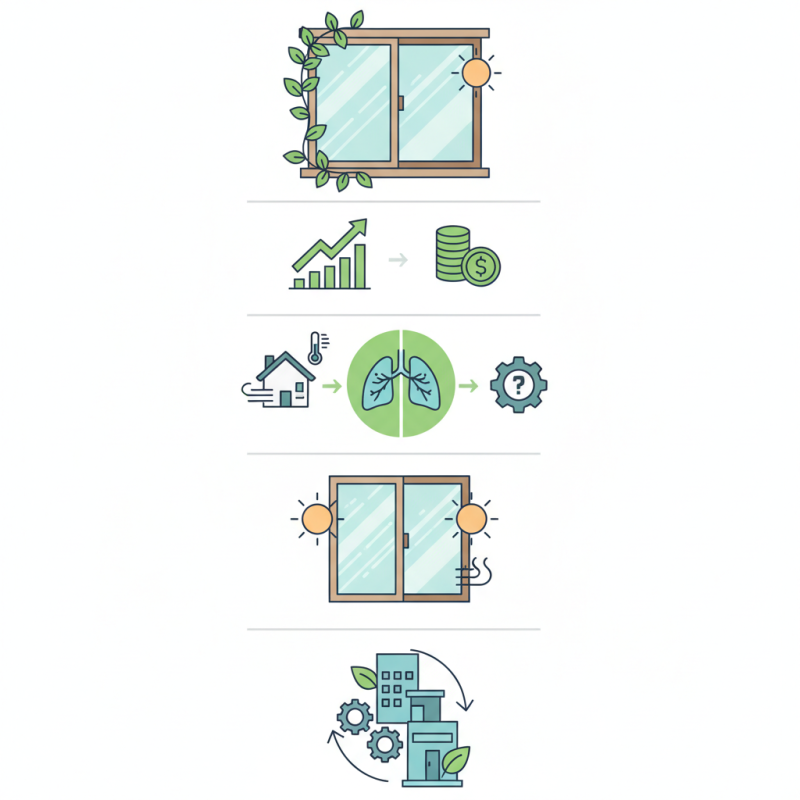
What is a Green Sliding Window? Definition and Overview
A green sliding window is an innovative feature gaining popularity in eco-friendly architecture. It refers to window designs that prioritize energy efficiency and sustainability. These windows often utilize advanced materials that enhance insulation. They help regulate indoor temperatures, reducing the need for heating and cooling systems.
The design of a green sliding window not only focuses on functionality but also promotes aesthetics. Many come with triple-glazed glass, improving thermal performance. They could include frames made from recycled materials. This approach decreases the environmental impact associated with traditional materials. However, the initial cost may deter some homeowners.
In some cases, the installation process might be challenging, requiring specific skills. Not all contractors are familiar with sustainable designs. This can lead to complications if not done properly. Homeowners need to ensure they hire knowledgeable professionals. Understanding the benefits and potential drawbacks is key. The push for greener solutions has led to various designs, but careful consideration is crucial.
Key Components of Green Sliding Windows for Sustainability
Green sliding windows are becoming popular for sustainability. They focus on energy efficiency and environmental responsibility. These windows are designed with specific components that contribute to reduced carbon footprints.
One key component is the frame material. Many green options use aluminum or recycled materials. This choice helps minimize waste. The double or triple glazing is another critical feature that enhances insulation and reduces energy consumption. Additionally, low-emissivity glass reflects heat, making spaces comfortable without excessive heating or cooling.
Another important aspect is the sealing and weatherstripping. High-quality seals prevent drafts. This can save energy and maintain indoor air quality. While manufacturers often promote these benefits, not all units perform equally. Users should consider individual needs and local climate. Finding the right balance takes time and research.
Benefits of Green Sliding Windows in Energy Efficiency
Green sliding windows are becoming increasingly popular for their energy efficiency. These windows use advanced materials that reduce heat loss. They often feature multi-pane glass that provides excellent insulation. This insulation keeps homes cooler in summer and warmer in winter. Homeowners can notice significant reductions in their energy bills.
The design of green sliding windows allows for natural light to enter. This reduces the need for artificial lighting during the day. Many people enjoy the fresh air that sliding windows bring. They open smoothly to promote cross-ventilation. However, this design may not fit every home style. Some traditional designs could clash with sleek, modern windows.
Another benefit is their durability. Green sliding windows are often made from recycled materials. This makes them eco-friendly choices for sustainable living. Homeowners may face higher initial costs, but the long-term savings are significant. It’s an investment that requires thoughtful consideration. Not every product lives up to its promise, and some may find maintenance challenging.
Statistical Impact of Green Sliding Windows on Carbon Footprint
The concept of a green sliding window offers significant benefits for sustainability. It refers to a design strategy that maximizes natural light and ventilation while minimizing energy use. By enhancing building efficiency, this approach directly impacts the carbon footprint. Studies show that buildings with green sliding windows consume much less electricity. This leads to lower greenhouse gas emissions over time.
However, the statistical impact of implementing these windows can vary. Initial costs might be higher, which could deter some builders. They may question the long-term savings versus upfront investments. Yet, data suggests that the payback period for energy savings is often shorter than expected. As awareness grows, more developers are reconsidering traditional windows.
The integration of such designs not only promotes sustainability. It also encourages a shift in mindset towards eco-friendly practices. People may need to relearn the value of natural resources. The transition might not be perfected yet, but each step encourages deeper reflection on consumption habits. It’s about striking a balance, testing ideas, and learning from both successes and setbacks in our quest for a greener future.
Impact of Green Sliding Windows on Carbon Footprint
Case Studies: Successful Implementations of Green Sliding Windows
Green sliding windows are an innovative solution in sustainable architecture. Their implementation focuses on energy efficiency and reducing environmental impact. A recent report from the International Energy Agency highlights that buildings account for 40% of energy consumption worldwide. To address this, many projects are shifting to green sliding windows, which enhance natural light without compromising insulation.
One notable case is a mid-sized urban office building that incorporated green sliding windows. The transformation resulted in a 30% reduction in energy costs. Employees reported improved well-being due to increased natural ventilation. However, challenges included installation logistics and higher upfront costs. Stakeholders noted the need for comprehensive planning to ensure smooth integration.
Another example is a residential community which installed green sliding windows. This led to a remarkable surge in property values by 15%. The homes attracted environmentally conscious buyers. Yet, some residents faced difficulties with maintenance and cleaning. Ongoing education about the materials used is essential. There’s room for improvement in understanding long-term impacts and sustainability benefits.