Top 10 Factors Affecting Water Softener Costs You Need to Know
In recent years, the demand for water softeners has surged, leading many homeowners to consider the implications of water softener costs. According to a comprehensive study by the Water Quality Association, the average cost of a water softener can range from $400 to $5,000 depending on factors such as system type, installation complexity, and additional features. This substantial price variance underscores the importance of understanding the various elements that contribute to overall expenses. Expert in water treatment technology, Dr. Emily Carter, emphasizes, “The initial investment in a water softener can pay off significantly in terms of home maintenance and appliance longevity.”
Several factors influence water softener costs beyond just purchase price, including ongoing maintenance, salt consumption, and even local water conditions. A report by the Environmental Protection Agency indicates that regions with high mineral content in water often see increased softener demand, subsequently affecting local prices. Moreover, installation fees can vary widely based on regional labor costs and specifics of the plumbing setup. As homeowners navigate the intricacies of water softener selection, understanding these nuances will be critical in making informed financial decisions that ultimately enhance their water quality and extend the life of household appliances.
Understanding the Basics of Water Softeners and Their Costs
Water softeners are essential systems designed to alleviate hard water issues by removing minerals such as calcium and magnesium. These minerals can cause numerous problems, including scale buildup in pipes and appliances, reduced efficiency of water heaters, and unsightly spots on dishes. Understanding how water softeners work is crucial for homeowners considering an investment in this technology. They typically function using ion-exchange processes, where hardness minerals are replaced with sodium ions, resulting in "softer" water that is easier on plumbing and enhances the effectiveness of soaps and detergents.
When it comes to the costs associated with water softeners, several key factors come into play. The initial purchase price varies depending on the type of system—whether it’s a salt-based or salt-free softener—as well as its capacity and efficiency ratings. Installation costs can also vary significantly based on the complexity of the setup and any necessary plumbing adjustments.
Additionally, ongoing maintenance expenses, such as purchasing salt or other additives, and periodic servicing must be considered when evaluating the overall investment. Understanding these elements can help homeowners make informed decisions and choose the best water softener that meets their needs and budget.
Key Components That Influence Water Softener Pricing
When considering the costs associated with water softeners, several key components significantly influence pricing. One of the primary factors is the type of system chosen. Traditional ion-exchange softeners typically range in price between $400 and $2,000, depending on their capacity and features. In contrast, salt-free systems, which use different mechanisms to condition water, may have a lower initial cost but often require more expensive maintenance and replacement costs over time. According to a recent industry report by the Water Quality Association, the choice between these systems can impact not only upfront expenses but also long-term operational costs, emphasizing the importance of considering total cost of ownership.
Another critical factor is the size of the water softener, which correlates directly with household water usage. Larger families or households with high water demand may require a more substantial unit, leading to higher costs. According to market data, sizing is a crucial determinant, as improperly sized systems can lead to inefficient softening, prompting additional expenses in repair or replacement. Furthermore, installation costs can vary significantly based on complexity and necessary plumbing adjustments, with reports indicating an average installation range from $150 to $1,000. Ultimately, understanding these components provides consumers with a clearer picture of what to expect in terms of investment when purchasing a water softener.
Top 10 Factors Affecting Water Softener Costs
Installation Costs and Labor Expenses for Water Softeners
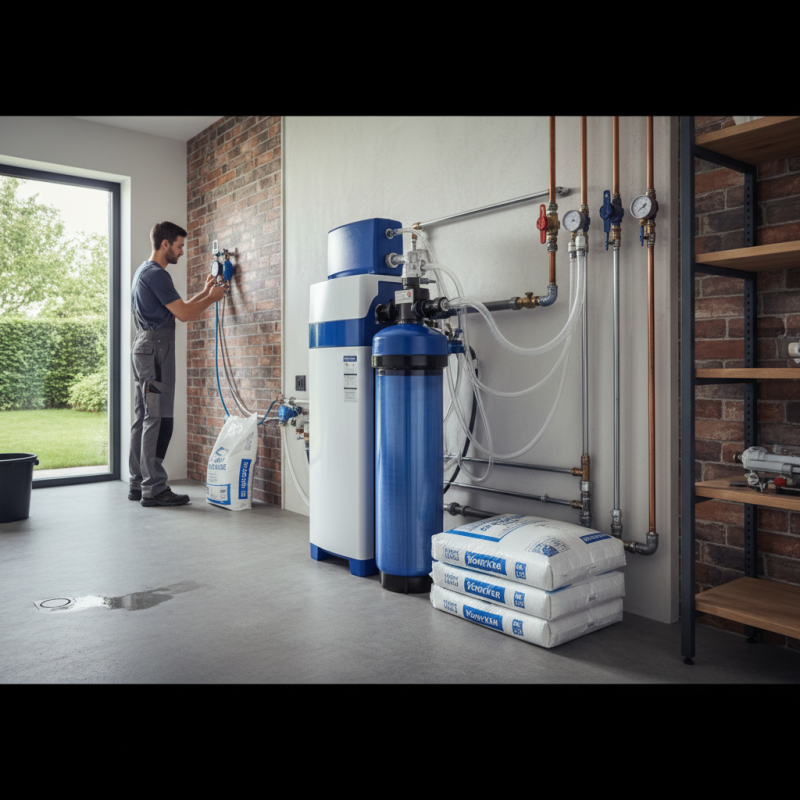
When considering the installation of a water softener, understanding the associated installation costs and labor expenses is crucial. The overall price can vary significantly depending on factors such as the complexity of the installation, the type of system chosen, and regional labor rates. For instance, a straightforward retrofit to an existing plumbing setup might incur lower expenses compared to a comprehensive installation that requires extensive modifications to the home’s plumbing infrastructure.
Labor expenses play a fundamental role in the total cost of a water softener installation. Skilled plumbers often charge an hourly rate that can fluctuate based on geographic location and demand for their services. In areas with a higher cost of living, installation labor may be more expensive, reflecting the higher wage expectations in those regions. Additionally, the duration of the installation process can also influence labor costs; more complex systems may require longer installation times, thereby increasing the total labor charge. Homeowners should be vigilant in obtaining multiple quotes and exploring the expertise of different contractors to ensure they receive a fair price for the services rendered.
Top 10 Factors Affecting Water Softener Costs You Need to Know
| Factor |
Cost Impact (%) |
Average Cost Range ($) |
Description |
| Unit Type |
25% |
300 - 1500 |
Different types of units (salt-based, salt-free) vary in cost. |
| Capacity |
20% |
400 - 2000 |
Higher capacity units are more expensive but handle larger households. |
| Installation Complexity |
15% |
200 - 1000 |
The more complex the installation, the higher the labor costs. |
| Water Hardness Level |
10% |
Included in unit cost |
Higher hardness levels may necessitate more advanced systems. |
| System Features |
10% |
100 - 500 |
Additional features like digital controls or salt sensors can increase costs. |
| Brand Reputation |
5% |
50 - 300 |
Well-known brands may command a premium price. |
| Local Market Conditions |
5% |
Varies significantly |
Cost of living and regional demand can affect pricing. |
| Maintenance and Operation |
5% |
100 - 400 |
Long-term costs can add up based on maintenance needs. |
| Warranty and Service |
5% |
50 - 200 |
Extended warranties or service plans can increase initial costs. |
Ongoing Maintenance and Supply Costs for Water Softeners
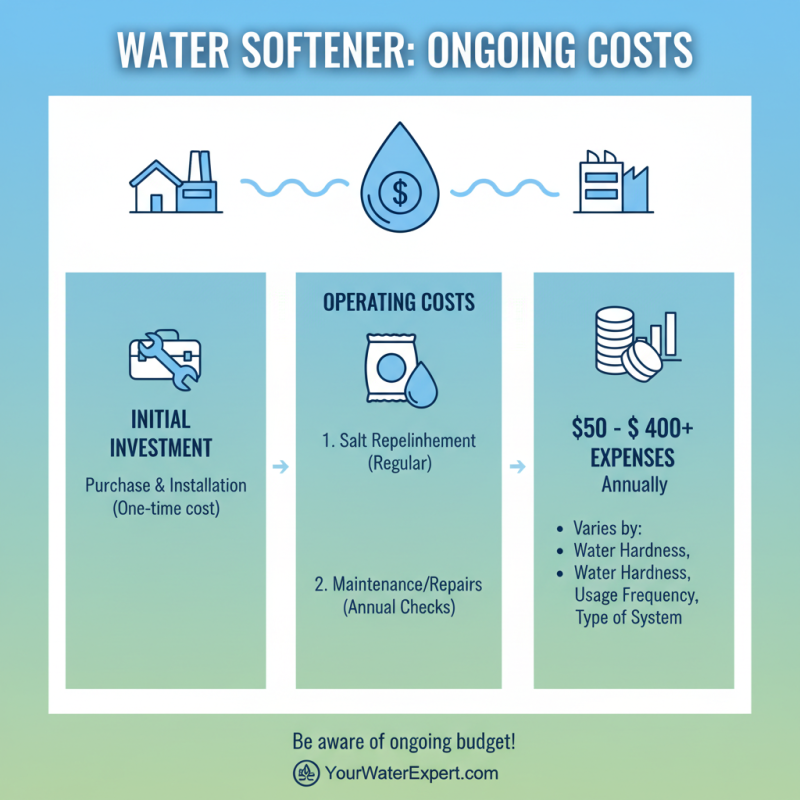
Ongoing maintenance and supply costs for water softeners play a critical role in determining the overall budget for any household or business that relies on water treatment systems. Users should be aware that in addition to the initial purchase and installation costs, maintaining a water softener entails regular replenishment of salt, which can fluctuate based on usage. According to industry reports, maintaining a water softener can cost anywhere from $50 to $400 annually, depending on the hardness of the water and the frequency of operation. Households with hard water may find themselves using more salt, leading to higher supply expenses.
Moreover, routine maintenance is essential for prolonging the lifespan and efficiency of the system. Common maintenance tasks include cleaning the resin tank and checking for salt bridges, which can prevent the salt from dissolving properly. Industry data indicates that neglecting these maintenance procedures can lead to a decrease in water softening efficiency and subsequently higher operational costs. For instance, regular maintenance can save homeowners up to 30% on energy costs associated with heating water, as hard water requires more energy to heat. Therefore, understanding the ongoing maintenance and supply costs is vital for homeowners aiming to make informed decisions regarding water softening systems.
Comparing Different Types of Water Softeners and Their Price Ranges
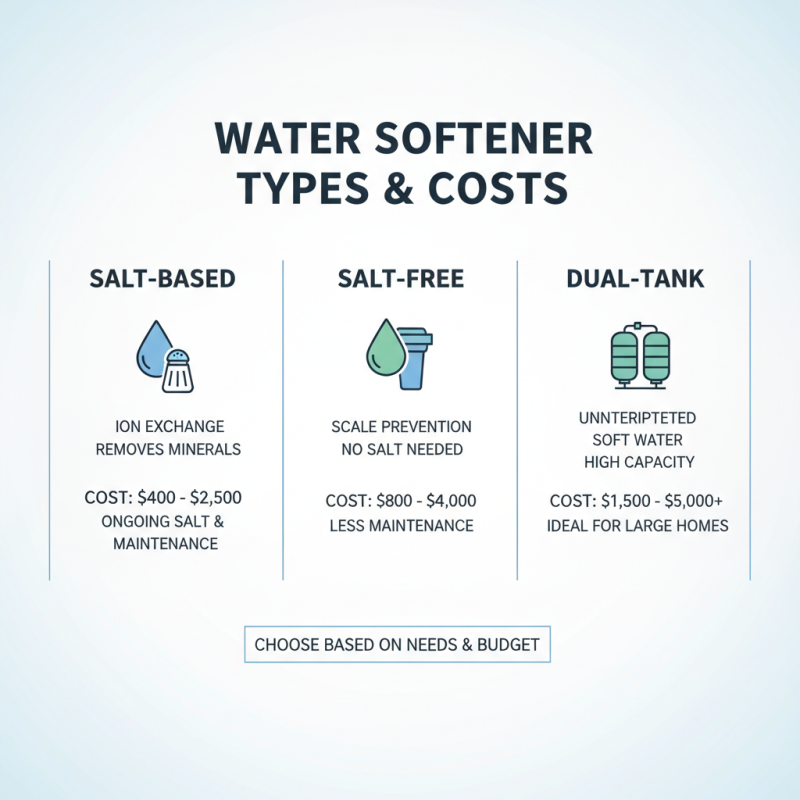
When considering water softeners, it is crucial to understand the different types available and their respective price ranges. Generally, water softeners fall into three main categories: salt-based, salt-free, and dual-tank systems. Salt-based systems, the most common type, utilize ion exchange to remove hardness minerals, typically costing between $400 and $2,500, depending on the model's capacity and features. These systems are effective but involve ongoing costs for salt replenishment and maintenance.
Salt-free systems, on the other hand, employ a different technology that conditions the water without removing hardness minerals. These units are usually more affordable upfront, ranging from $300 to $1,500. However, they may not be as effective in significantly softening water, making them suitable for households with lower hardness levels. Dual-tank systems are designed for larger households and continuously provide soft water by using two resin tanks that can regenerate alternately. This option generally falls in the higher price range of $1,000 to $3,000, reflecting increased capacity and more sophisticated technology. Each type offers unique advantages and cost considerations, so evaluating your specific needs and budget is essential when selecting a water softener.