
Kinetico Water

What Are Custom Animatronics and How Do They Work?

Custom Animatronics are purpose-built figures that move, react, or perform within attractions, museums, retail spaces, and themed environments. Unlike static props, they combine mechanical structures, actuators, control systems, and carefully designed surfaces. A figure might turn its head, blink, lift an arm, or respond to a nearby visitor. The effect can feel lifelike. The engineering is less mysterious.

The wider attractions industry provides useful context, though it does not measure animatronics directly. The 2023 Theme Index and Museum Index, published by TEA and AECOM, reported 244.6 million visits across the world’s top 25 theme parks in 2023. That figure signals the scale of visitor-facing experiences, not proof that animatronics alone drive attendance. This distinction matters. It is easy to overstate what one feature can do.

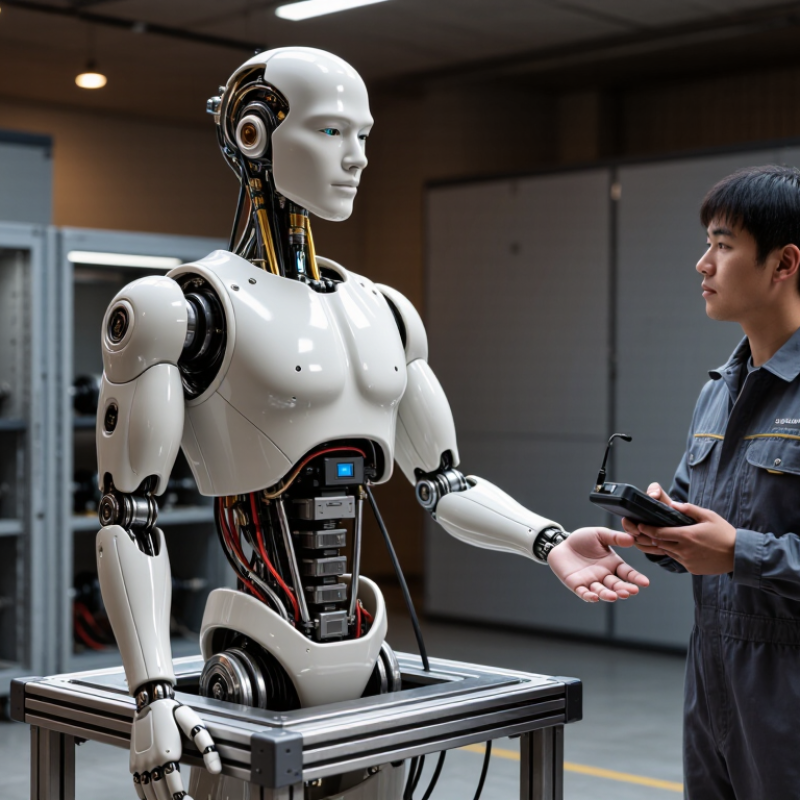
How do these figures work? Designers typically begin with a character brief, then select a frame, motors or pneumatic actuators, a controller, and suitable materials for the outer skin. Sensors may detect sound, movement, or visitor proximity. A programmed sequence then coordinates actions, timing, and sound. A technician tests the figure repeatedly, adjusting movements that look abrupt or strain the mechanism. Small details count: a quiet motor, a smooth neck turn, or a hand that stops naturally. Still, motion does not guarantee realism. A technically impressive figure can feel stiff, and maintenance needs can be underestimated. Custom Animatronics succeeds when storytelling, engineering, safety planning, and ongoing care work together. That balance takes experience—and sometimes, a second look.
What Are Custom Animatronics and How Do They Work?

What Custom Animatronics Are and What Makes Them Unique

Custom animatronics are purpose-built figures that combine a mechanical frame, motors, control systems, and sculpted outer materials. Unlike standard props, each design can match a particular character, movement, scale, and setting. A small head turn may use a servo, while a larger jaw or torso movement may need stronger actuators. Sensors and programmed cues can coordinate motion with sound, lighting, or a visitor’s presence. The result is not simply a moving object; it is a machine shaped around a specific performance. Small details matter: a soft eyelid, a slight pause, or a quiet motor can make a creature feel more believable.

The International Federation of Robotics reported 541,302 industrial robots installed worldwide in 2023 in its World Robotics 2024 report. That figure does not measure animatronics, but it reflects the broader engineering ecosystem behind modern motion control and automation. For a custom figure, designers still have to balance expressive movement with weight, heat, noise, maintenance, and safe operation. This is where the work gets less glamorous. A gesture that looks smooth in a computer model may jitter once cables, skin, and real loads are added. Testing under actual operating conditions is essential, and even then, a movement can feel slightly wrong. That imperfection is useful feedback, not a reason to hide the engineering.

How Custom Animatronics Work: A Typical Servo Control Signal

Many animatronic mechanisms use servos to position moving parts. In a conventional RC servo signal, pulse widths around 1.0 ms, 1.5 ms, and 2.0 ms commonly correspond to one end of travel, the center, and the other end. Actual ranges vary by servo, and custom animatronics may use other actuator types and control systems.

How an Animatronic Character Is Designed and Built

An animatronic character begins with a performance brief: what should move, how quickly, and from which viewing angles? Designers sketch expressions, then build a scale maquette to check proportions. A movable eyebrow may need only a tiny linkage; a turning head needs a supported frame, motor, and clear cable route. Small motions matter. The International Federation of Robotics’ World Robotics 2024 report counted 4.28 million industrial robots operating worldwide in 2023, up 10% year over year. That figure does not measure animatronics, but it reflects the wider automation field that supplies motion-control knowledge and components.

The engineering team converts the approved design into mechanical, electrical, and control plans. They choose actuators for each movement, then mount them on a rigid armature. A controller coordinates motors, sensors, and timed cues. Technicians test movement with the outer skin fitted, because silicone, foam, and fabric can add drag or hide snags. They also check heat, noise, access panels, and repeated motion cycles. This is where plans often need revision. A smile that looks natural in a drawing may pull oddly when the cheeks move together. Service access is easy to overlook, too. A beautiful shell is less useful if a technician cannot reach the drive inside.

The Mechanical and Electronic Systems Inside an Animatronic

What Are Custom Animatronics and How Do They Work?

Custom animatronics combine a moving mechanical frame with electronics that coordinate motion, sound, and timing. Inside, a steel or aluminum skeleton supports joints, linkages, and actuators. Electric servo motors can turn a head or move an eyelid, while linear actuators create longer movements, such as raising an arm. Soft foam, fabric, or flexible skin covers the structure, helping hide the hardware and shape the character.

A controller sends commands to each actuator, often following a programmed sequence. Sensors and limit switches can help track position and prevent joints from moving beyond their intended range. Audio cues may be synchronized with mouth movements, though exact lip timing takes careful adjustment. A small delay can make a character seem distracted. Smooth motion matters, but too much polish can look oddly unnatural. Designers often revise movements after watching the figure operate in its actual setting; a useful detail may still need reworking.

Tips: Leave service access around motors and wiring. Test joints slowly before adding the outer covering, and listen for unusual clicks or strain. Real mechanisms need maintenance, even when the finished character looks effortless.

What Are Custom Animatronics and How Do They Work? — The Mechanical and Electronic Systems Inside an Animatronic

System or Dimension Typical Components How It Works Practical Considerations
Structure and frame Metal or engineered-plastic frame, brackets, bearings, and fasteners The frame supports the figure and provides mounting points for moving parts, actuators, and coverings. Frame design depends on the figure’s size, pose, movement range, and installation environment.
Movement system Electric servos, gear motors, linkages, cables, or pneumatic cylinders An actuator converts an electrical or pneumatic command into movement. Linkages transfer that movement to features such as a jaw, head, arm, or body. Actuator selection depends on required force, speed, precision, noise, available space, and duty cycle.
Control system Microcontroller or programmable controller, motor drivers, and input/output modules The controller runs programmed motion sequences and sends signals to actuators. It can coordinate several movements over time. Control programming should include safe movement limits and account for the timing and coordination of each motion.
Sensors and feedback Limit switches, position sensors, encoders, proximity sensors, or pressure sensors Sensors can report position, detect a nearby object, or confirm that a mechanism has reached a defined point. Feedback can improve repeatability and help prevent movement beyond mechanical limits; the sensors used depend on the design.
Power and wiring Power supply, wiring harnesses, connectors, fuses, and motor drivers Electrical power runs the controller and actuators. Drivers regulate the signals and current needed by motors. Power requirements vary with actuator type and how many movements operate at once. Wiring should be secured away from moving parts.
Motion programming Timed sequences, position commands, triggers, and audio or show cues A sequence defines when a movement starts, how far it travels, and how it relates to other actions or cues. Programs are typically tested and adjusted to achieve the intended timing while keeping motion within safe limits.
Exterior and appearance Flexible skins, foam, fabric, molded parts, paint, and hair or costume elements The exterior gives the figure its visual appearance and is fitted around the internal mechanisms. Materials need to accommodate the designed movement and suit the expected indoor or outdoor conditions.
Audio and interaction Speakers, microphones, playback devices, buttons, or presence sensors Audio can be synchronized with motion. An input such as a button press or detected presence can trigger a programmed response. Interactive behavior requires clear trigger conditions and coordination between the input, controller, sound, and movement.
Safety and maintenance Physical guards, emergency stops, accessible service points, and inspection procedures Safety measures help manage access to moving mechanisms, while regular checks identify wear, loose connections, or changes in motion. Maintenance needs depend on operating hours, environment, and mechanical complexity. Moving parts should be inspected and serviced as appropriate.

How Sensors and Controls Coordinate Movement and Sound

Custom animatronics turn programmed motion and sound into believable behavior. Sensors provide live information to a controller. Position encoders track joint movement, while limit switches mark travel boundaries. Proximity sensors can trigger a head turn as someone approaches. The controller compares these inputs with a timed sequence, then sends commands to motors and audio playback. Timing matters. An eye movement just before a growl can make a figure seem attentive.

The International Federation of Robotics’ World Robotics 2023 report recorded 553,052 industrial robot installations worldwide in 2022. That was 5% above 2021. This is broad automation data, not an animatronics count, but it shows the scale of the control technologies animatronic systems draw upon. In a practical build, technicians test movements slowly, checking that a jaw opens with the sound cue and that a neck stops before reaching its limit.

A controller can also adjust cues when sensors detect a changed position or nearby visitor. Still, perfect synchronization is difficult: a slight delay between a moving jaw and its audio can break the illusion. Small errors show. Designers often tune timing by watching repeated test cycles, then revise the sequence. The result may remain a little stiff—and that is worth admitting.

Where Custom Animatronics Are Used and How They Are Maintained

Custom animatronics appear in theme parks, museums, immersive exhibits, film sets, and educational displays. Their movements may reproduce a blink, a breathing motion, or a slow turn of the head. Each installation has different demands: a museum figure may run intermittently, while a busy attraction can repeat movements throughout the day. The 2023 TEA/AECOM Theme Index reported 202.5 million visits across the world’s 25 most-attended theme parks, up 23.1% from 2022. That figure is not an animatronics-use measure, but it shows the high-traffic setting some attractions must operate within.

Maintenance starts with checks suited to the mechanism: inspect cables and fasteners, listen for unusual motor noise, and test sensors and emergency stops. Keep moving parts clean, and follow the system’s technical documentation for lubrication and servicing intervals. The U.S. Department of Energy’s Operations & Maintenance Best Practices Guide estimates that effective maintenance can save 5–20% compared with poorly maintained programs; this is a general facilities estimate, not an animatronics-specific result. Small faults can still be easy to miss. A squeak may seem harmless until it returns every cycle.

Tips: Keep a run-hour and repair log. Dust matters. Photograph cable routing before servicing, and record changes so the next technician can compare them. A simple checklist helps, though it cannot replace hands-on inspection.