What is a Coolant Pump and How Does It Work?
In the realm of automotive technology, the role of a Coolant pump is vital. Dr. Emily Turner, a leading expert in thermal management systems, emphasizes, "A well-functioning coolant pump is essential for engine efficiency." This statement reflects the heart of coolant pump functionality.
Coolant pumps circulate coolant within an engine, preventing overheating. They maintain optimal temperatures for engines during operation. Without a dependable coolant pump, vehicles can face serious thermal issues. Understanding how these pumps work helps drivers prolong engine life and performance.
The complexities of coolant pumps deserve attention. Many vehicles rely on various designs, from electric to mechanical pumps. Each design has its pros and cons. Users often overlook the importance of regular maintenance. Thus, exploring the mechanisms behind coolant pumps can lead to better practices. A small oversight may turn into costly repairs, so knowledge is key.
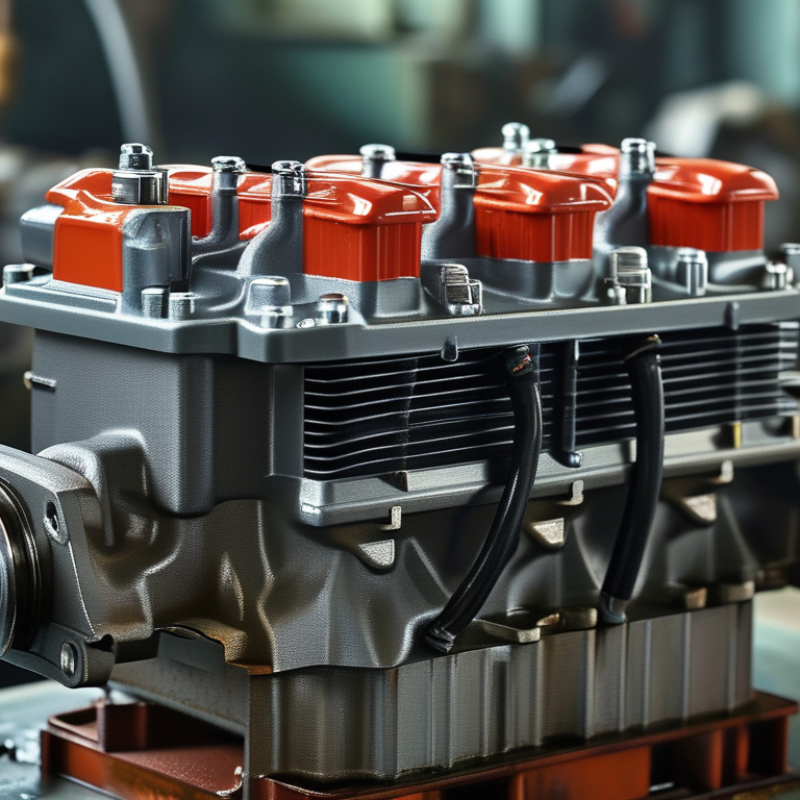
Definition and Purpose of a Coolant Pump
A coolant pump is a vital component in many engines and cooling systems. Its primary purpose is to circulate coolant fluid throughout the system. This helps maintain optimal operating temperatures and prevents overheating. When an engine runs, it generates heat. The coolant absorbs this heat and is then pumped away to a radiator or heat exchanger. There, it releases the heat and returns to the engine.
Maintaining a coolant pump is essential for system efficiency. Regular checks can help avoid costly repairs. Ensure there are no leaks or blockages in the system. Using the right coolant fluid is equally important for proper function.
Tip: Always monitor your coolant levels. Low coolant can indicate leaks or other issues. If levels drop frequently, inspect the pump for problems.
In some cases, coolant pumps may wear out over time. Signs of wear include strange noises or reduced engine performance. If you notice these signs, it's important to examine the pump. Proactive maintenance can enhance efficiency and prolong engine life.
Coolant Pump Efficiency by RPM
Types of Coolant Pumps Used in Various Applications
Coolant pumps play a crucial role in various industries. They help regulate temperatures in engines, HVAC systems, and industrial machinery. Understanding the types of coolant pumps is essential for optimizing performance and efficiency.
Centrifugal pumps are commonly used in automotive applications. They create flow by converting rotational energy into fluid movement. These pumps can be compact and lightweight, making them an ideal choice for vehicles. However, they may struggle with high viscosity fluids, which limits their application.
Positive displacement pumps are another type widely utilized in manufacturing. They deliver a fixed volume of coolant per cycle, ensuring consistent flow rates. This type is effective with thicker fluids, but it can be less efficient at varying loads. Regular maintenance is critical to avoid wear and tear. Ignoring this can lead to system failures.
In industrial contexts, magnetic drive pumps are gaining traction. They offer leak-free operation due to their design, contributing to safety. Yet, they can be costly and may require specialized knowledge for installation. Balancing these factors helps in selecting the right pump for specific needs.
What is a Coolant Pump and How Does It Work? - Types of Coolant Pumps Used in Various Applications
| Type of Coolant Pump | Application | Operating Principle | Efficiency |
| Centrifugal Pump | Automotive Cooling Systems | Uses centrifugal force to push coolant through the system. | High efficiency, especially at constant flow rates. |
| Positive Displacement Pump | Industrial Machinery | Moves a fixed volume of coolant with each cycle, regardless of pressure. | Consistent flow but lower efficiency at variable flow rates. |
| Submersible Pump | Geothermal Heating Systems | Located underwater; efficiency depends on water pressure and depth. | High efficiency in deep water applications. |
| Magnetic Drive Pump | Chemical Processing | Uses magnetic fields to drive the impeller without direct contact. | Very efficient with no risk of leakage. |
How a Coolant Pump Functions Mechanically
A coolant pump plays a vital role in maintaining the efficiency of various machines, especially in engines. It circulates coolant liquid through the engine and radiator, ensuring optimal operating temperatures. This pump usually operates on a mechanical principle, using an impeller to create fluid movement. The impeller spins, drawing coolant from the reservoir and pushing it into the engine.
The importance of the coolant pump cannot be overstated. If it fails, the engine can overheat quickly. This might lead to severe damage. Many people overlook regular maintenance checks for these pumps. A worn-out impeller or a clogged hose can cause inefficiencies. Strengthening the inspection routine may help in extending the pump's life.
Mechanical issues may arise from debris or corrosion within the system. Observing leakage from hoses or noticing unusual noises can indicate potential problems. At times, the pump may need replacement. However, it’s crucial to evaluate the cause of the malfunction. Many might replace parts without understanding the underlying issue. This could lead to recurring problems, wasting both time and resources. Regular attention to the coolant system is essential for optimal performance.
Key Components of a Coolant Pump and Their Roles
A coolant pump plays a vital role in keeping engines cool. It circulates coolant through the engine and radiator. This process prevents overheating, ensuring optimal performance. Let's take a closer look at its key components and functions.
The impeller is one of the most crucial parts of a coolant pump. Its rotating blades create a flow of coolant. This motion pushes the fluid through the system. The casing holds the impeller and directs the coolant. Both components work together to maintain an efficient cooling cycle.
Another essential part is the seal. It prevents leaks by keeping the coolant contained within the pump. A compromised seal can lead to reduced efficiency. Regular inspections can help catch this issue early. Additionally, the inlet and outlet ports allow coolant to enter and exit the pump. Their design is critical for maintaining the correct pressure.
However, not all coolant pumps are created equal. Some may struggle under high pressure or temperature conditions. Engineers often need to refine their designs. Continuous improvements in materials and technology are necessary for better performance. Each of these components must function optimally to ensure a reliable cooling system.
Maintenance Tips for Optimal Coolant Pump Performance
Maintaining your coolant pump is essential for optimal performance. Regular checks can prevent issues that might lead to costly repairs. Start by inspecting the pump for leaks. A small drip can escalate into a bigger problem if left unattended. Examine the hoses connected to the pump for signs of wear or cracking.
Checking coolant levels should be part of your routine. Low fluid can overheat your engine. Consider flushing the coolant system every so often. This helps remove sediment and prevents clogging. Use proper coolant as recommended for your vehicle to ensure efficiency.
Listen for unusual noises from the pump. Any grinding or rattling sounds could indicate a malfunction. Address these signs promptly, as ignoring them can result in pump failure. Keeping your coolant pump in good condition requires diligence. Regular maintenance not only extends the life of the pump but also ensures your vehicle runs smoothly.