Top 10 Tips for Choosing the Right Water Treatment Systems for Your Home
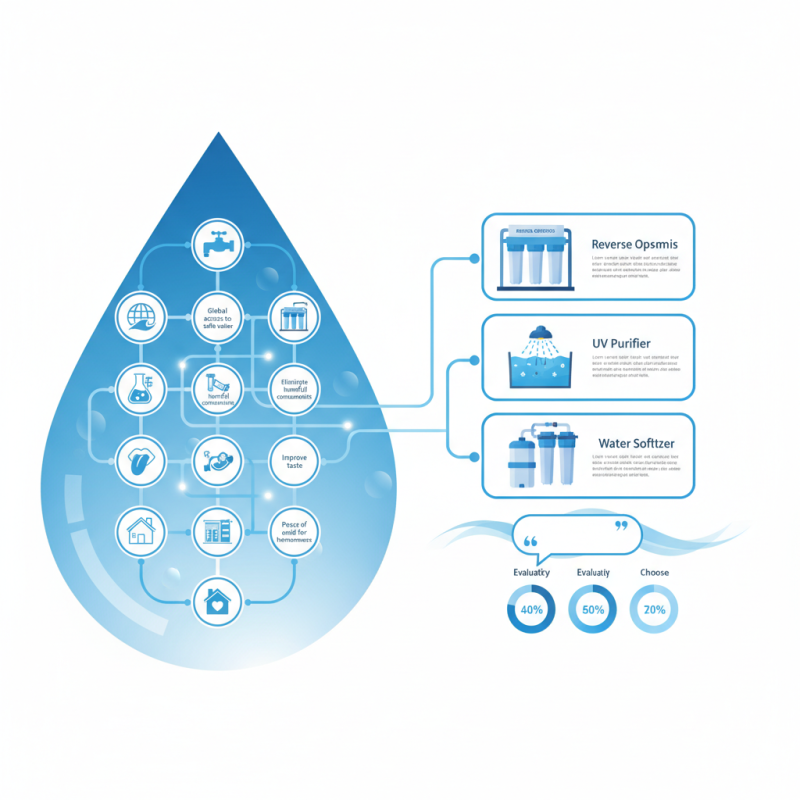
When it comes to safeguarding your family's health, choosing the right water treatment systems for your home is of paramount importance. According to the World Health Organization, over 2 billion people globally lack access to safely managed drinking water, which underscores the critical role that effective water treatment solutions play in ensuring clean and safe water for households. The right system can help eliminate harmful contaminants, improve taste, and provide peace of mind for homeowners.
As Thomas Eldridge, a renowned expert in water treatment systems, aptly stated, “The difference between safe and unsafe water can often be determined by the quality of the treatment system in place.” With myriad options available, including reverse osmosis systems, UV purifiers, and water softeners, selecting the appropriate system tailored to your specific needs can be overwhelming. This guide aims to simplify that process by offering top tips for evaluating and choosing the most suitable water treatment system for your home, ensuring that you and your loved ones are protected from potential water quality issues.
Factors to Consider When Selecting Water Treatment Systems
When selecting a water treatment system for your home, several key factors should be considered to ensure the system effectively meets your needs. First and foremost, understanding the quality of your water supply is crucial. Conducting a water quality test can reveal the presence of contaminants such as lead, chlorine, or bacteria. According to the Environmental Protection Agency (EPA), approximately 10% of U.S. homes have drinking water that contains contaminants at levels that may pose health risks. This data emphasizes the importance of tailored solutions that address your specific water concerns.
Another essential factor to consider is the type of water treatment technology best suited for your requirements. There are various systems available, including reverse osmosis, activated carbon filtration, and ultraviolet disinfection. Each type has its advantages; for instance, reverse osmosis systems can remove a wide array of contaminants and are particularly effective against dissolved solids. Experts recommend evaluating the size of your household and your water usage patterns to determine the necessary system capacity.
In terms of system maintenance and long-term costs, it's prudent to investigate the maintenance requirements and replacement filter costs before making a decision. Often, systems that have lower upfront costs may lead to higher expenses down the line due to frequent maintenance or component replacements. Therefore, consider the overall lifetime cost of the system in addition to its purchase price. By prioritizing these factors, you can invest in a water treatment system that optimally balances performance, cost, and convenience for your home.
Types of Water Treatment Systems Available for Home Use
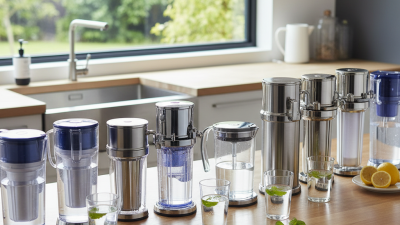
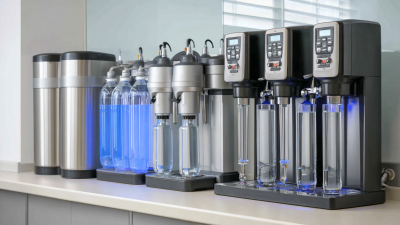
When considering water treatment systems for home use, it is essential to explore the various types available to meet specific needs. According to a report by the Water Quality Association (WQA), over 85% of households in the United States use some form of water filtration, highlighting the increasing awareness of water quality. Common options for home water treatment include activated carbon filters, reverse osmosis systems, water softeners, and UV disinfection units. Each type serves a unique purpose, such as removing contaminants, reducing hardness, or disinfecting water.
Activated carbon filters are popular for their ability to improve taste and odor while effectively removing chlorine and certain heavy metals. Reverse osmosis systems are known for their thorough purification capabilities, capable of removing up to 99% of impurities, making them ideal for those seeking the highest quality drinking water. Water softeners specifically target hardness minerals, helping prevent scale buildup and extend the life of plumbing fixtures and appliances. Meanwhile, UV disinfection systems offer a chemical-free method to eliminate harmful microorganisms, ensuring safe drinking water without altering its taste or chemical composition. Understanding these options can significantly influence the choice of the right water treatment system for any household's needs.
Assessing Your Water Quality Needs for Effective Treatment
Assessing your water quality needs is a crucial step in selecting the right water treatment system for your home. According to the Environmental Protection Agency (EPA), nearly 60% of U.S. homes rely on private wells for their water supply, underscoring the importance of regular water quality testing. Parameters such as pH levels, contaminants like lead or bacteria, and hardness can greatly influence the choice of treatment system. For instance, a study conducted by the National Ground Water Association indicates that untreated well water may pose health risks, making it imperative for homeowners to understand their specific water quality challenges.
When assessing water quality, it's essential to consider a variety of factors, including local water regulations, household water usage, and specific contaminants present in your water supply. The World Health Organization (WHO) recommends that homeowners conduct comprehensive water tests to detect any harmful substances. This step not only informs the selection of appropriate filtration or treatment systems but also assists in calculating the long-term costs associated with the maintenance and operational requirements of these systems. For example, homes with high levels of sediment may benefit from sediment filters, while those with chemical contaminants may require advanced filtration technologies like reverse osmosis. By tailoring your water treatment solution to your specific quality needs, you can ensure safe, clean drinking water for your family.
Budgeting for Installation and Maintenance of Water Systems
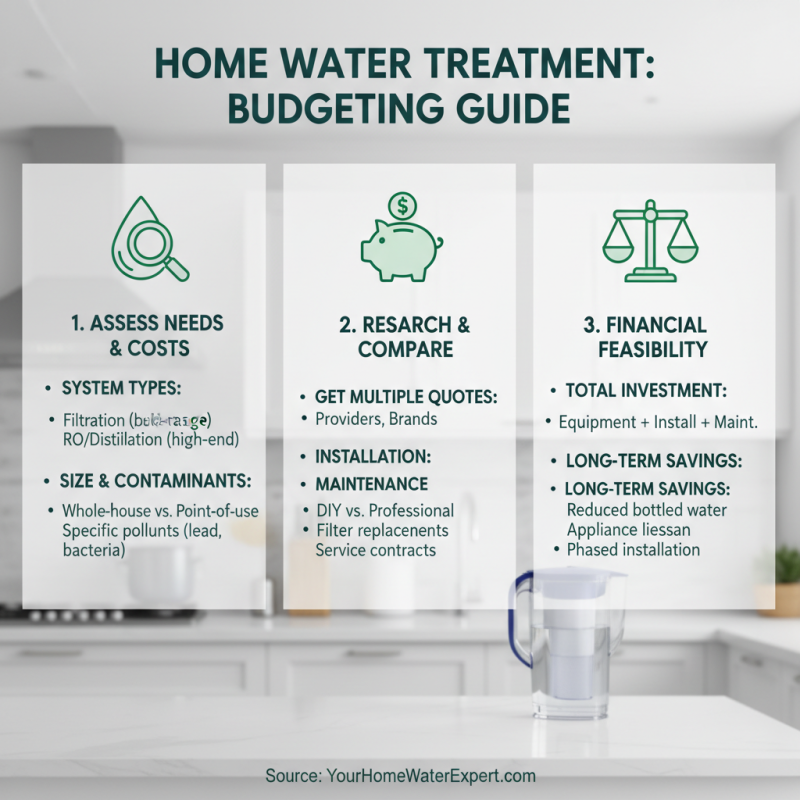
When considering the installation of water treatment systems for your home, budgeting plays a crucial role in ensuring you choose a solution that not only meets your needs but is also financially feasible. Start by assessing the types of water treatment systems available and their associated costs. Prices can vary significantly based on the technology used, the size of the system, and the specific contaminants being targeted. Researching various options and gathering quotes from multiple providers can give you a clearer picture of what is reasonable for your budget.
In addition to installation costs, it’s essential to factor in the ongoing maintenance expenses that will arise. Regular upkeep is crucial for the longevity and efficiency of your water treatment system. Consider the cost of replacement filters, annual service checks, and any necessary repairs. By anticipating these expenses, you can avoid unexpected financial burdens down the line. A well-planned budget that accounts for both installation and maintenance will help ensure that your water treatment investment is sound and sustainable in the long term.
Evaluating Reliability and Brand Reputation in Water Treatment Solutions
When selecting water treatment systems for your home, evaluating reliability and brand reputation is crucial. A trustworthy brand not only signifies quality but also ensures that you receive effective solutions tailored to your specific needs. Start by researching customer reviews and testimonials, as these can provide insight into the performance and durability of different systems. A brand with a long-standing reputation in the industry typically indicates reliability, as they have established a history of satisfied customers and proven products.
In addition to reviews, check if the brand offers solid warranties and customer support. A trustworthy company will stand by their products and be readily available to assist in case any issues arise. This is key in ensuring your investment is protected and that you have support when needed.
For your consideration, here are a few essential tips: First, always verify if the systems comply with relevant standards and certifications from recognized authorities. Second, assess if the manufacturer has a history of transparency regarding their products, ensuring that you are well-informed before making a purchase. Third, consider the availability of replacement parts and support services, as this can significantly impact the longevity and efficiency of your water treatment system.
Top 10 Tips for Choosing the Right Water Treatment Systems for Your Home
| Criteria |
Considerations |
Examples |
| Water Quality Needs |
Assess local water quality and specific contaminants. |
Lead, chlorine, bacteria |
| System Type |
Choose between whole house systems and point-of-use filters. |
Reverse osmosis, UV filters |
| Maintenance Requirements |
Evaluate the frequency and type of maintenance needed. |
Filter replacement, system cleaning |
| Installation Process |
Determine if you need professional installation or if it's DIY-friendly. |
Professional vs. self-install |
| Cost of System |
Consider upfront and long-term costs, including maintenance. |
Initial price, filter costs |
| Energy Efficiency |
Choose energy-efficient systems to reduce utility bills. |
Energy Star certified |
| Brand Reputation |
Research customer reviews and professional recommendations. |
Consumer reports, forums |
| Certifications |
Check for industry certifications like NSF or WQA. |
NSF/ANSI standards |
| Warranty |
Review warranty terms for lasting protection of your investment. |
5-year warranty, lifetime support |
| Customer Support |
Find out the availability and quality of customer service. |
Phone support, online chat |