How to Choose the Right Water Softener for Your Home Needs?
Choosing the right water softener can significantly improve your home's water quality. Hard water can cause many issues, from scale buildup in pipes to scratched dishes. A good water softener reduces these problems and enhances the efficiency of your appliances.
When selecting a water softener, consider your family's water usage. Small households may need a different model than larger ones. Look at the hardness level of your water too. Testing your water will provide vital information. Some homes may experience regret after choosing the wrong system, leading to higher costs and ineffective results.
Research and compare different brands and types of water softeners. Pay attention to features like regeneration cycles, salt efficiency, and tank size. It's easy to overlook these details, yet they can make a big difference. Your choice should match your lifestyle and budget. Ultimately, a well-chosen water softener can deliver long-term benefits for both your home and health.
Understanding Water Hardness: Measuring Calcium and Magnesium Levels
Understanding water hardness is essential for selecting the right water softener. Water hardness is primarily measured by its calcium and magnesium levels. High levels of these minerals can lead to various problems in your home. For instance, they can cause scale buildup in pipes and appliances. This can reduce their efficiency and lifespan significantly.
To measure water hardness, you can use a test kit. These kits typically provide a reading in grains per gallon (gpg) or parts per million (ppm). A softer water supply is usually below 7 gpg, while anything above that indicates hard water. Knowing your water's hardness level helps you decide on the type of softener needed. If you find measuring challenging, consider consulting a professional.
Sometimes, we underestimate the impact of hard water. It can affect everything from laundry efficiency to skin health. Observing soap not lathering well in the shower or noticing spots on dishes can be indicators of hard water issues. Reflect on these signs to understand your water conditions better, ensuring you invest in the right solution for your home.
Water Hardness Levels in Different Regions
This chart illustrates the average hardness levels of water across various regions in parts per million (ppm), focusing on the main minerals calcium and magnesium that contribute to water hardness.
Benefits of Water Softeners: Impact on Appliances and Skin Health
Water softeners play a significant role in enhancing both appliances and skin health. According to the Water Quality Association, hard water can contain high levels of calcium and magnesium. These minerals can lead to scale buildup in plumbing and appliances, reducing their efficiency by up to
48%. This means your dishwasher or washing machine may work harder, using more energy and leading to higher utility bills.
Softened water helps to prolong the lifespan of appliances. It minimizes the scale buildup, ensuring that machines operate smoothly. Additionally, using soft water can significantly improve the effectiveness of soaps and detergents. Consumers report that they can use up to
50% less soap when they switch to softened water. This not only saves money but also benefits the environment.
When considering a water softener, think about your family's needs. If you have sensitive skin, softened water can be a game changer. It tends to feel silkier and can reduce skin irritation caused by hard minerals. Regularly bathing in soft water may contribute to healthier skin, making it less prone to dryness.
Tips: Research your water hardness level. This helps you choose the right softener. Ensure proper maintenance for consistent performance. Lastly, monitor skin conditions to see improvements when using softened water.
Types of Water Softeners: Ion Exchange, Salt-Free, and Reverse Osmosis
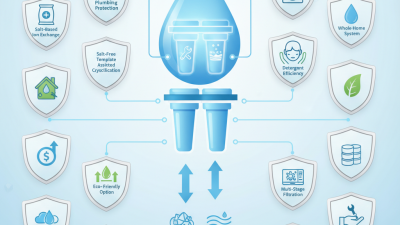
When selecting the right water softener, it’s crucial to understand the different types available. Ion exchange softeners work by removing minerals like calcium and magnesium. They replace these hard minerals with sodium ions. This process can result in softer water that feels silkier on your skin. However, you may need regular maintenance to replenish the salt. It's important to check your usage, as this can vary by household size.
Salt-free systems provide a different solution. They don't actually soften water; instead, they use a different method called template-assisted crystallization. This process alters the hardness ions, preventing them from sticking to surfaces. It's a low-maintenance option but may not fully eliminate hard water issues. Some users find the effectiveness questionable.
Reverse osmosis is another popular choice. This method filters water through a membrane to remove impurities. It provides clean, safe drinking water. However, it can be wasteful, discarding a significant amount of water in the process. The installation can also be more complex. Ultimately, assessing your needs is key. Each type has its pros and cons, and understanding them can help you make a well-informed choice.
How to Choose the Right Water Softener for Your Home Needs?
| Type of Water Softener |
How it Works |
Advantages |
Disadvantages |
Suitability |
| Ion Exchange |
Removes calcium and magnesium ions and replaces them with sodium ions. |
Highly effective in softening water, improves appliance lifespan. |
Requires regular salt refills, higher ongoing costs. |
Ideal for high hardness levels in water. |
| Salt-Free |
Uses a crystallization process to prevent scale buildup without removing minerals. |
Low maintenance, no salt required, environmentally friendly. |
Less effective for very hard water, does not remove existing hardness. |
Suitable for moderate hardness levels and households that prefer a natural approach. |
| Reverse Osmosis |
Filters water through a semipermeable membrane, removing impurities. |
Provides clean drinking water, removes a wide range of contaminants. |
Can waste water during the filtering process, more expensive installation. |
Best for households needing purified drinking water along with softening capabilities. |
Capacity and Flow Rate: Choosing a System that Meets Household Demand
Choosing the right water softener is crucial for your home. The capacity and flow rate are two key factors. Capacity refers to how much water the system can treat before needing regeneration. Flow rate measures how quickly water can flow through the system. Both are essential for meeting household demands.
Consider your daily water use. Think about showers, laundry, and dishwashing. A family of four typically needs a flow rate of at least 8-12 gallons per minute. If your water softener can't keep up, you might face issues like mineral buildup. Check your household's water hardness levels too. This will help you determine the right capacity for your needs.
Some systems might work only for specific situations. You may find that a smaller unit suffices for light use, yet could struggle during peak times. Think about your lifestyle and habits. A water softener should complement your daily routines. Be sure to evaluate the size and specifications carefully before making a decision. There's no one-size-fits-all answer here. Choose wisely.
Cost Considerations: Initial Investment vs. Long-term Savings on Maintenance
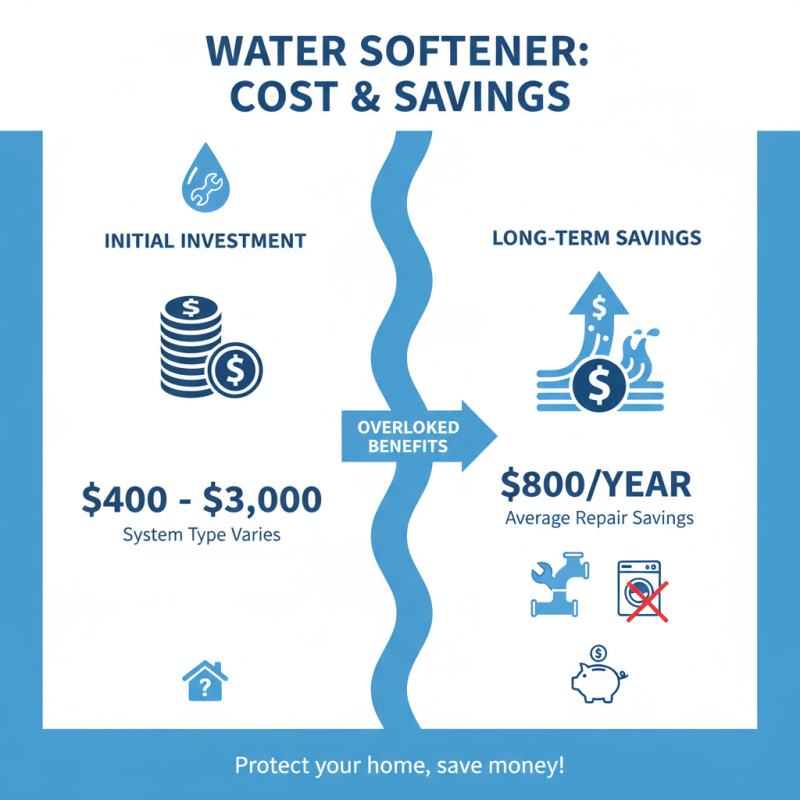
When considering a water softener, the cost is a primary focus. The initial investment can range from $400 to $3,000, depending on the system type. While this may seem steep, many homeowners overlook the long-term savings. Hard water can damage plumbing and appliances. A recent industry report indicated that homes with hard water may incur repair costs averaging $800 per year.
Regular maintenance is crucial for maximizing a water softener's lifespan. Properly maintained systems can last up to 15 years. Neglecting maintenance can lead to issues, adding unexpected costs. Additionally, water softeners can reduce utility bills. Households often report a decrease in energy consumption by 10 to 20% after installing these systems.
Yet, not all water softeners are equal in terms of efficiency and salt usage. Users often underestimate how much salt and chemicals contribute to long-term costs. Balancing upfront costs and maintenance is essential. Consumers need to assess their unique water quality and household needs. An informed choice can lead to significant savings over time.