

Choosing the right Dissolved Air Flotation System (DAF) can be a challenging task. Industry expert Dr. Emily Chen states, “The effectiveness of a DAF system hinges on the specific application and water quality.” This highlights the need for careful consideration in the selection process.
When evaluating DAF systems, it's essential to look at several factors. System size, type of influent, and desired treatment level all play crucial roles. For instance, a small industrial plant may require a different setup compared to a municipal wastewater facility. There are often trade-offs that must be navigated, leading to complex decisions.
In addition, many users underestimate their operational needs. It is common to misjudge the water quality or flow rate, impacting performance. This emphasizes the importance of thorough research and expert consultation. Understanding your unique requirements will lead to a more effective and reliable Dissolved Air Flotation System choice.
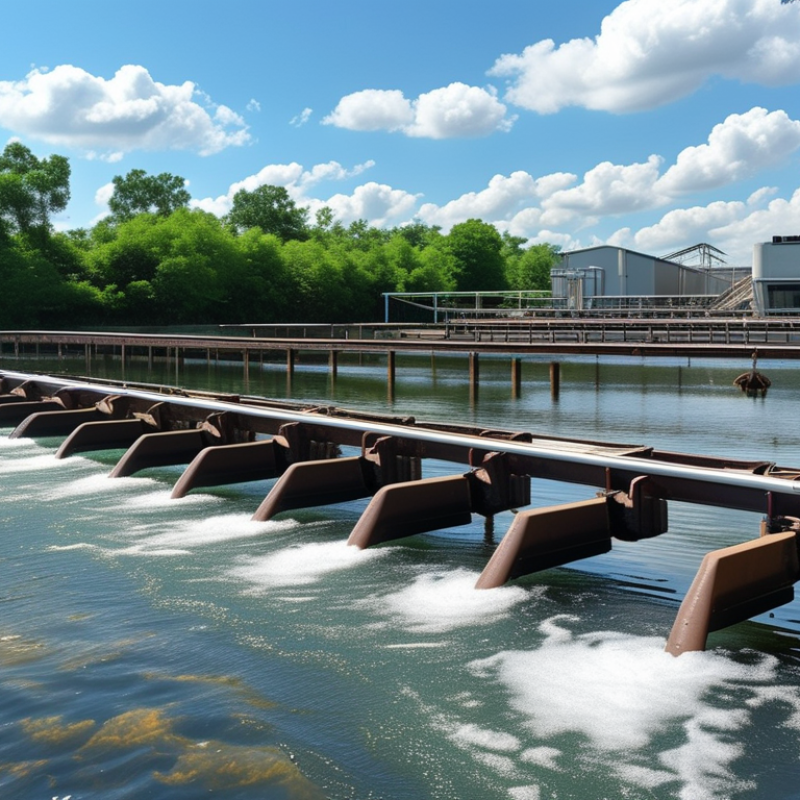
Dissolved Air Flotation (DAF) systems are pivotal in various water treatment applications. They effectively remove suspended solids, oils, and grease from wastewater. According to a report by the Water Environment Federation, DAF systems can reduce total suspended solids (TSS) by up to 90%. This high efficiency is crucial for industries looking to improve water quality while adhering to environmental regulations.
In municipal wastewater treatment, DAF systems play a significant role. A study from the American Society of Civil Engineers shows that DAF can be particularly useful in treating high-strength industrial effluents. Many facilities experience challenges with conventional methods, where DAF systems provide a robust alternative. Still, selecting the right system requires critical analysis. Factors include the type of wastewater, required flow rate, and the need for chemical coagulants.
Not every DAF system suits every application. Some setups may not achieve optimal flotation due to varying water qualities. Integration of proper pre-treatment processes can enhance performance. Regular maintenance is essential too. It ensures the system operates efficiently over time. Choosing the right DAF system demands careful consideration of these aspects to mitigate potential issues in water treatment processes.