How to Choose the Best Home Water Filter for Your Needs?
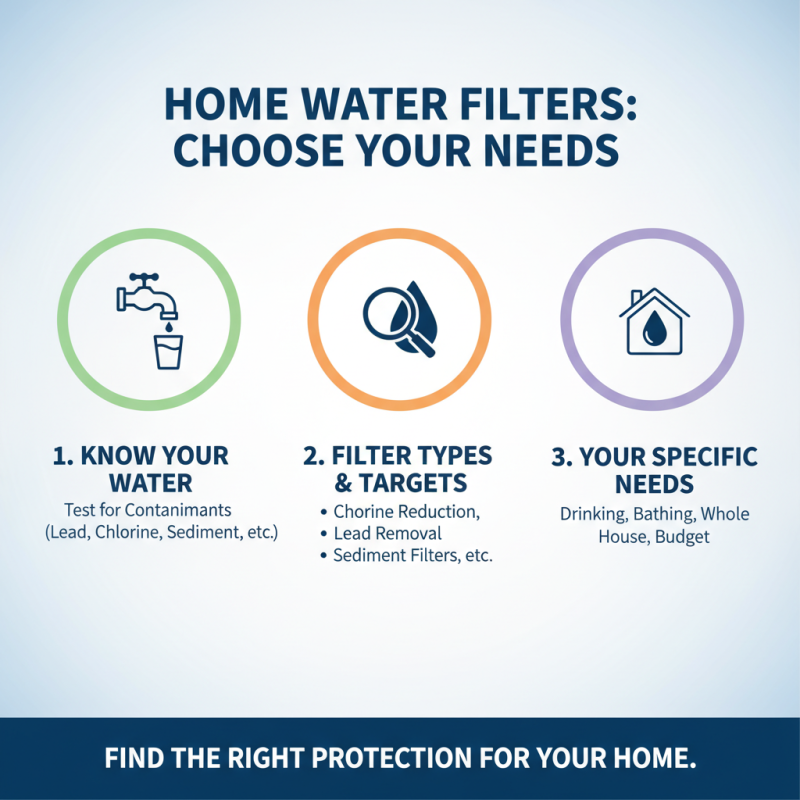
Choosing the best home water filter is crucial for your health. Clean water is essential for daily life. Many options are available, which can overwhelm you. Understanding your specific needs will help narrow down the choices.
Consider water quality in your area. Are there contaminants that concern you? A home water filter can address these issues. Not every filter is suitable for all situations. Some filters tackle sediment while others focus on chemicals. It's important to evaluate your family's drinking and cooking needs.
Factors like ease of installation and maintenance should not be overlooked. You might find a filter that's effective but difficult to use. Take time to read reviews and ask for recommendations. This process can be iterative, requiring adjustments. Reflect on what matters most to you when filtering your water.
Understanding the Importance of Home Water Filtration Systems
Home water filtration systems play a critical role in ensuring safe drinking water. According to a report by the Environmental Protection Agency (EPA), nearly 10% of drinking water violations occur due to contaminants. These contaminants can include heavy metals, bacteria, and chemicals that pose health risks. Having a dependable filtration system is essential for families and individuals who want to safeguard their health.
In a recent study, it was found that over 50% of households rely on tap water for daily consumption. However, many people may not realize that chlorine, a common disinfectant, can lead to negative health effects if ingested over long periods. Some filters effectively reduce chlorine levels, improving taste and safety. Yet, many consumers struggle with choosing the right system for their needs. Each home has different water quality and filtration requirements.
Not all filtration systems tackle the same issues. Some may focus on sediment removal but ignore harmful substances. A water testing kit can help identify specific contaminants present in your water supply. However, many users overlook this crucial first step. It's vital to consider how environmental factors can affect water quality as well. This complexity can easily lead to confusion and suboptimal choices when selecting a system.
How to Choose the Best Home Water Filter for Your Needs?
| Filter Type |
Contaminants Removed |
Filter Lifespan |
Cost |
Maintenance |
| Activated Carbon Filter |
Chlorine, VOCs, Bad Taste/Odor |
6-12 months |
$20 - $100 |
Replace cartridge regularly |
| Reverse Osmosis Filter |
Heavy metals, Nitrates, Fluoride |
2-3 years |
$200 - $500 |
Annual maintenance required |
| Ultraviolet (UV) Filter |
Bacteria, Viruses |
1 year (UV lamp) |
$100 - $300 |
Replace UV lamp annually |
| Pitcher Filters |
Chlorine, Cadmium, Zinc |
2 months |
$10 - $50 |
Change filter every 40 gallons |
| Whole House Filters |
Sediment, Chlorine, Rust |
5-10 years |
$500 - $1500 |
Regular inspection needed |
Types of Water Contaminants and Their Health Implications
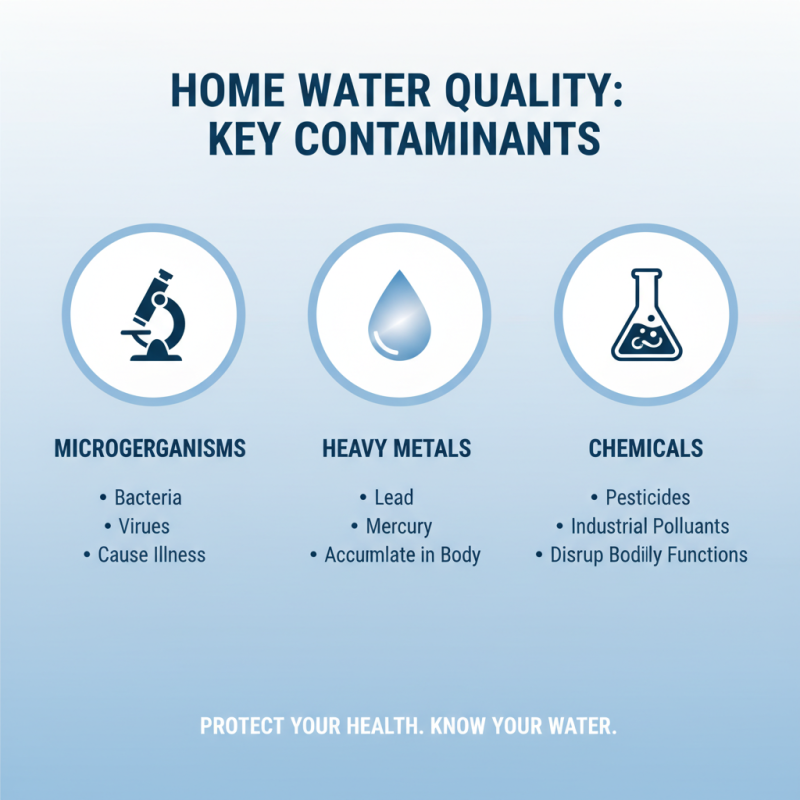
When dealing with home water quality, understanding contaminants is crucial. Various substances can threaten health. Microorganisms like bacteria and viruses can cause serious illness. Heavy metals, such as lead and mercury, can accumulate in the body over time. Even low levels of certain chemicals can disrupt bodily functions.
Chlorine, often used in municipal systems, can irritate the skin and respiratory system. Pesticides and herbicides can also infiltrate drinking water. Long-term exposure may lead to chronic health issues. People may not realize these risks until it’s too late. Testing your water is a useful first step.
Choosing a water filter that addresses specific contaminants is vital. Not all systems remove every type of pollutant. This can create a false sense of security. It’s important to be aware of local water quality reports. Regularly checking this information allows for better decision-making. Reflect on your water sources and their potential hazards. Staying informed is the best defense for your health.
Evaluating Different Types of Home Water Filters Available
When evaluating different types of home water filters, consider your specific needs. Not all filters remove the same contaminants. Some target chlorine, while others focus on lead or sediment. Understanding what’s in your water is vital. A good home test kit can reveal hidden issues. You may find the results surprising.
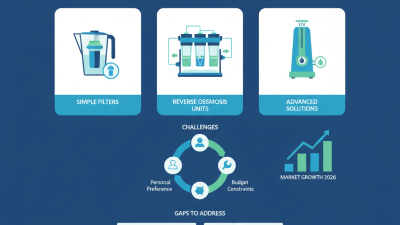
Common types of filters include activated carbon, reverse osmosis, and UV filters. Activated carbon filters excel at improving taste. They are easy to install and maintain. Reverse osmosis systems are effective at removing a wide range of impurities. However, they can be bulky and expensive. UV filters utilize light to kill bacteria, but they don’t eliminate chemical contaminants.
Choosing the right system can be challenging. You might feel overwhelmed by choices. Consider space, budget, and maintenance. Each solution requires a different level of commitment. Think about how often you will need to change filters. Reflect on these details for an informed decision.
Factors to Consider When Choosing a Water Filter for Your Home
Choosing the best water filter for your home involves several important factors. Firstly, identifying the contaminants in your water supply is crucial. Reports suggest that around 30% of U.S. household water contains some level of contaminants. These can range from chlorine to heavy metals. Testing your water is a good start. Knowing what's in your water can guide your filter choice.
Second, consider the filter type that suits your needs. Activated carbon filters reduce chlorine and improve taste. Reverse osmosis systems remove a broader range of contaminants but may waste water. A report from the Environmental Protection Agency (EPA) states that reverse osmosis can eliminate up to 99% of certain contaminants. However, these systems can be expensive to maintain. Evaluate your budget and needs carefully.
Finally, think about maintenance and filter replacement frequency. Some filters require monthly changes, while others last for six months or a year. This can affect your long-term costs. A study by the Water Quality Association found that neglecting maintenance can result in inefficient filtration. Balancing performance, cost, and convenience is essential when choosing a water filter.
Assessing Maintenance and Cost of Water Filtration Systems
Choosing the right home water filter can be daunting. One important aspect is understanding maintenance needs. Different systems require varying levels of upkeep. Some filters need regular cartridge changes, while others may need less frequent maintenance.
Consider how much you can invest in both time and money. Tips to simplify this: opt for filters with easily accessible replacement parts. Look for systems that provide reminders for when to change filters. These small features can make a big difference.
Cost is also a crucial factor. Some systems may have low initial costs but higher ongoing expenses. Evaluate the lifespan of filters and the frequency of replacements. A more expensive model might save money over time. Don't forget to check for hidden costs like installation fees. Balancing initial investment and long-term expenses can be tricky, but it's necessary for making a wise choice.
Cost and Maintenance Comparison of Home Water Filtration Systems
This chart compares the average annual maintenance costs of different home water filtration systems. As you can see, a Reverse Osmosis system tends to have the highest cost, followed by UV filters and Whole House filters. Activated Carbon filters are the most economical option in terms of annual maintenance.