

Choosing the right Fiber Laser Machine can be a daunting task. Many factors come into play, and your specific needs will greatly influence your decision. A quality fiber laser can ensure precision cutting and engraving. It's crucial to understand the various specifications and capabilities before making a purchase.
Different applications may require different features. For instance, the wattage of the machine affects cutting speed. You might find yourself overwhelmed with options. Researching reputable brands and reading user feedback can provide valuable insights. Don’t underestimate the importance of after-sales support and warranty.
Sometimes, a machine might sound perfect but may lack certain functionalities for your projects. Be mindful of budget constraints, as high-priced models aren’t always the best. Take time to assess your long-term goals. By doing so, you can ensure you invest in a Fiber Laser Machine that meets your requirements efficiently. Trust your instincts and gather as much information as you can.
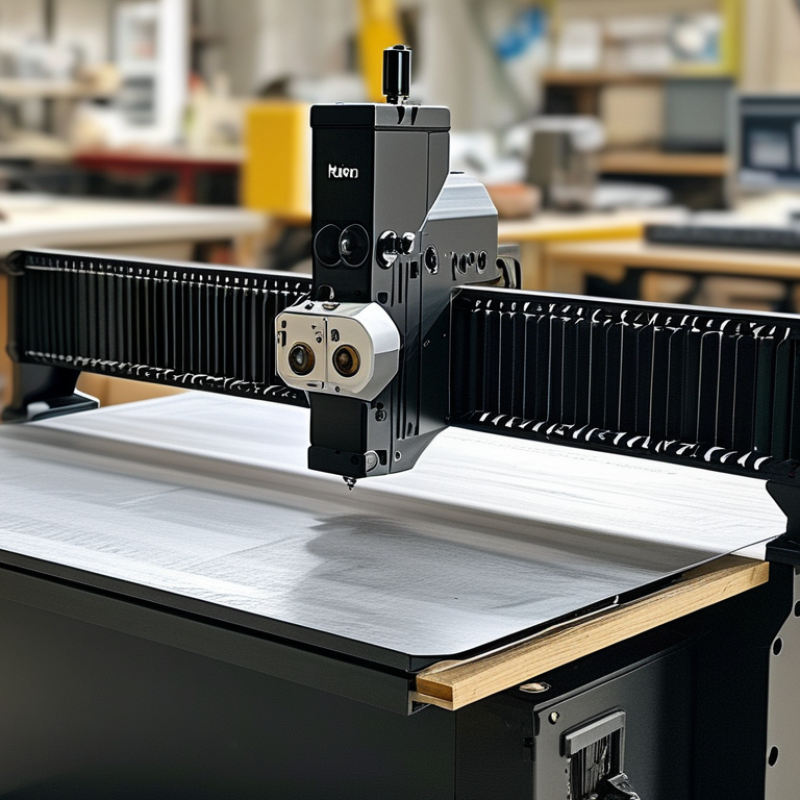
Fiber laser technology has transformed various industries with its precision and versatility. This technology operates by generating light through optical fibers, resulting in high beam quality and efficient energy conversion. Applications range from metal cutting to engraving intricate designs on various materials. Industries such as manufacturing, automotive, and medical benefit significantly from fiber lasers due to their ability to deliver consistent results.
Understanding the underlying principles of fiber lasers is crucial. The laser's wavelength and frequency determine its suitability for different tasks. For instance, shorter wavelengths are advantageous for fine cutting, while longer wavelengths work better for thicker materials. It's essential to consider such factors when selecting equipment. However, the learning curve can be steep, and users may face challenges in optimizing settings for specific applications.
Performance is another crucial aspect. While fiber lasers boast high efficiency, issues can arise with modulation and power stability. Regular maintenance is necessary to ensure optimal functioning. Users often overlook this point, leading to subpar results. Selecting the right machine should balance advanced features with ease of use. This balance minimizes the risk of errors and maximizes productivity in the long run.