How to Choose the Best Electric Shuttle Carts for Your Needs?
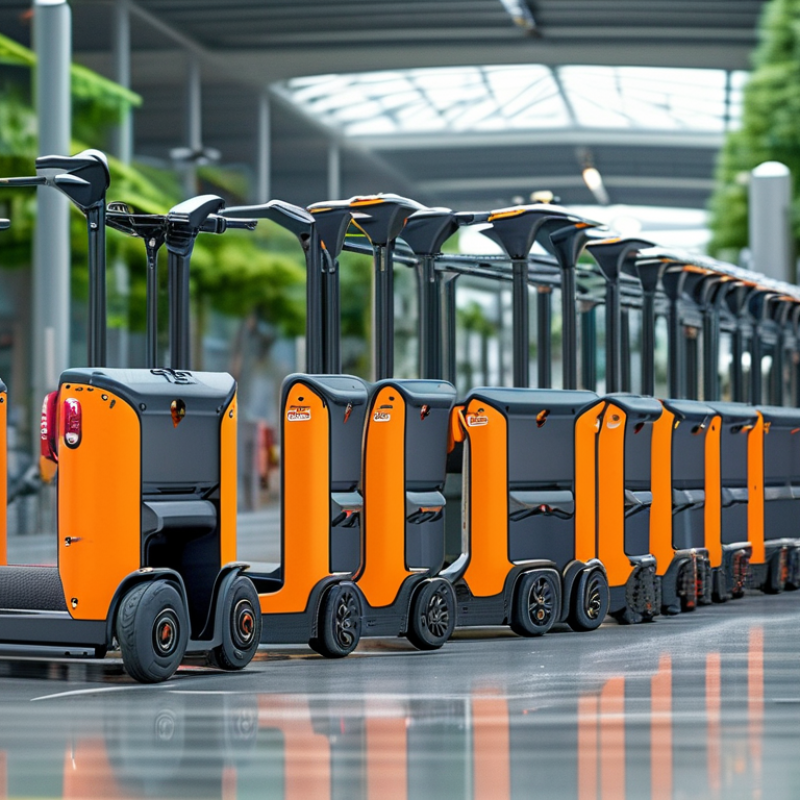
Choosing the right Electric Shuttle Carts can significantly enhance your efficiency and convenience. These carts are versatile and often used in various settings like airports, parks, and large facilities. However, not all electric shuttle carts are created equal.
When selecting the best model, consider factors such as size, weight capacity, and battery life. Your needs may vary based on the distance you intend to cover and the number of passengers. Some carts offer innovative features, like easy folding or weather-proof designs. These details matter.
Do not overlook user reviews and expert recommendations. They provide insights into performance and durability. Reflecting on your specific requirements will also ensure you choose a cart that meets your expectations. Electric Shuttle Carts can be a wonderful investment, but doing your homework is key to finding the best fit for you.
Understanding Electric Shuttle Carts: Key Features and Benefits
Electric shuttle carts streamline transportation in various environments. They are essential for airports, hospitals, and large facilities. Understanding their features helps you choose the right one for your needs.
Key features include battery life, weight capacity, and speed. A long battery life ensures prolonged usage without frequent recharges. Consider the weight capacity to transport heavy loads. Speed may vary, but a moderate pace often suffices for safety.
Tips: Always test the cart before purchase. Evaluate how it maneuvers in tight spaces. Make sure it meets your specific needs. Additionally, check available warranties. A solid warranty reflects the manufacturer’s confidence.
Remember, not every cart will be perfect for your situation. Reflect on your daily tasks. Consider how often you will use the cart and in what conditions. Balancing features with your requirements is crucial for making the right choice.
How to Choose the Best Electric Shuttle Carts for Your Needs?
| Feature | Option 1 | Option 2 | Option 3 |
| Weight Capacity | 800 lbs | 1000 lbs | 1200 lbs |
| Battery Life | 8 hours | 10 hours | 12 hours |
| Speed | 5 mph | 6 mph | 7 mph |
| Turning Radius | 4 ft | 5 ft | 6 ft |
| Size (L x W x H) | 60" x 30" x 40" | 65" x 32" x 42" | 70" x 34" x 44" |
| Features | Simple controls | Built-in charger | LED lights |
Assessing Your Specific Transportation Needs for Electric Carts
When selecting the right electric shuttle cart, analyzing your specific transportation needs is essential. Understanding the environment where you'll use the cart plays a crucial role. For example, a cart designed for indoor use might have different specifications than one meant for outdoor terrains. According to a recent industry report, approximately 65% of users require carts that can navigate various surfaces, from smooth floors to rugged pathways.
Capacity is another critical factor. Many organizations need to understand the weight and space capacity required. A survey found that nearly 70% of electric cart users prioritize capacity based on their transport of goods or passengers. Overloading a cart can lead to malfunctions or safety hazards. Thus, determining average loads and frequency of use is essential.
Safety features are indispensable as well. Reports show that some carts lack adequate stopping mechanisms, which can pose risks. Ensuring that your chosen cart meets safety standards is non-negotiable. Ideally, look for models with reliable braking systems and accessibility features. Inadequate attention to these factors may lead to regrettable decisions later on. The choices you make now can significantly impact operational efficiency and user safety.
Comparing Different Types of Electric Shuttle Carts on the Market
When selecting an electric shuttle cart, it’s essential to understand the various types available. Utility carts offer robust features for transporting goods. They often have spacious platforms and sturdy frames. These are ideal for warehouses or large facilities. However, their size may limit maneuverability in tight spaces. It's worth considering the size of your operation before making a choice.
Passenger shuttle carts, on the other hand, focus on transporting people over short distances. They usually seat several passengers comfortably. This type excels in hotels or amusement parks, but they can be more expensive. Battery life is another factor to reflect on. Some models allow longer usage, while others require frequent charging. Research their specifications to ensure they meet your demands.
Another aspect to observe is the terrain for which the cart is intended. If you're planning to navigate hills or uneven ground, look for carts with strong motors and adequate suspension. A cart that works well on flat surfaces may struggle elsewhere. Evaluating these differences will aid in making an informed decision for your needs.
Important Specifications to Consider When Choosing an Electric Cart
When selecting an electric shuttle cart, understanding important specifications is crucial. Battery life significantly impacts usability. Many carts have a range of 30-60 miles per charge. For daily use in large venues, a longer battery life is beneficial. According to industry reports, 75% of users prioritize this feature for efficiency.
Weight capacity is another key specification. Standard models can handle 800-1,200 pounds. However, if transporting heavy equipment or multiple passengers, assessing the weight limit is essential. Nearly 60% of users have experienced issues when exceeding these limits.
Speed and maneuverability should not be overlooked. Most electric carts travel between 10-20 mph. For crowded environments, lower speeds provide better control. Choosing a cart with tight turning radiuses is especially important. Many users find that stability can suffer if these factors are ignored. Analyzing these specifications can lead to a more effective choice tailored to specific needs.
Comparison of Electric Shuttle Carts Specifications
Budgeting for Your Electric Shuttle Cart: Cost vs. Value
Budgeting for an electric shuttle cart requires careful consideration of both cost and value. Start by assessing your specific needs. Think about the terrain, passenger capacity, and frequency of use. These factors influence not only the type of cart but also its price range.
While it’s tempting to opt for the cheapest model, remember that quality often comes with a higher price tag. Inferior models may lead to more maintenance costs down the line. Seek carts with durable materials and efficient motors. Research online reviews and expert recommendations. They can offer insights into long-term performance.
Evaluate the warranty and support services provided. A good warranty can save you money and hassle in the long run. Sometimes, spending a little more initially results in greater savings and satisfaction later. Create a budget that reflects both your financial capacity and the value of dependable transport. Adjust as necessary, knowing that a wise investment today can enhance your operations tomorrow.