How to Choose the Best Whole House Water Filtration System for Your Home?
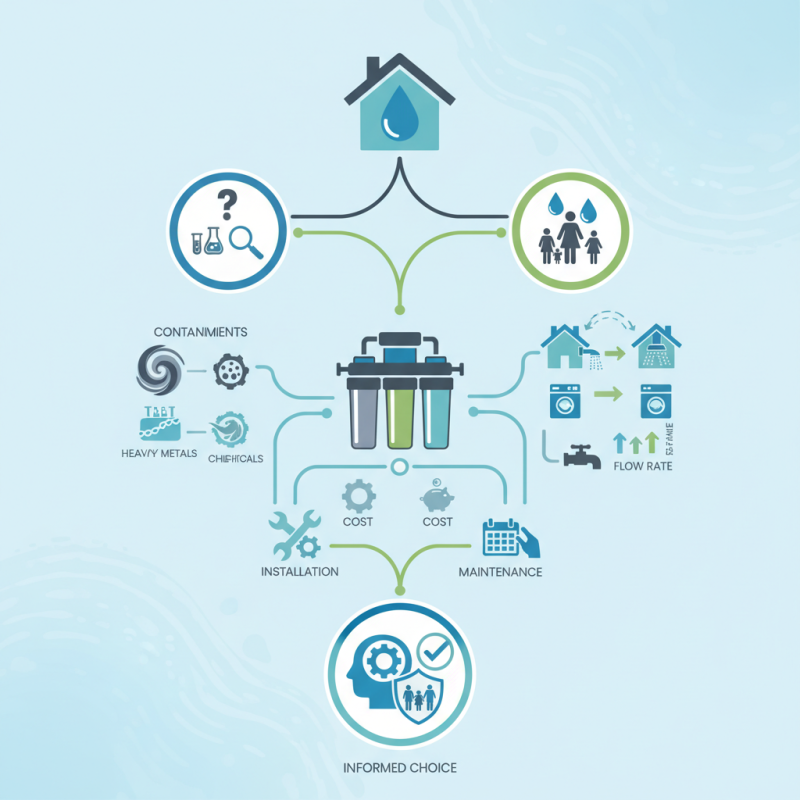
Choosing the best whole house water filtration system can be overwhelming. With so many options, how do you decide? The right system should provide clean, safe water throughout your home. It's essential to assess your water quality and needs first.
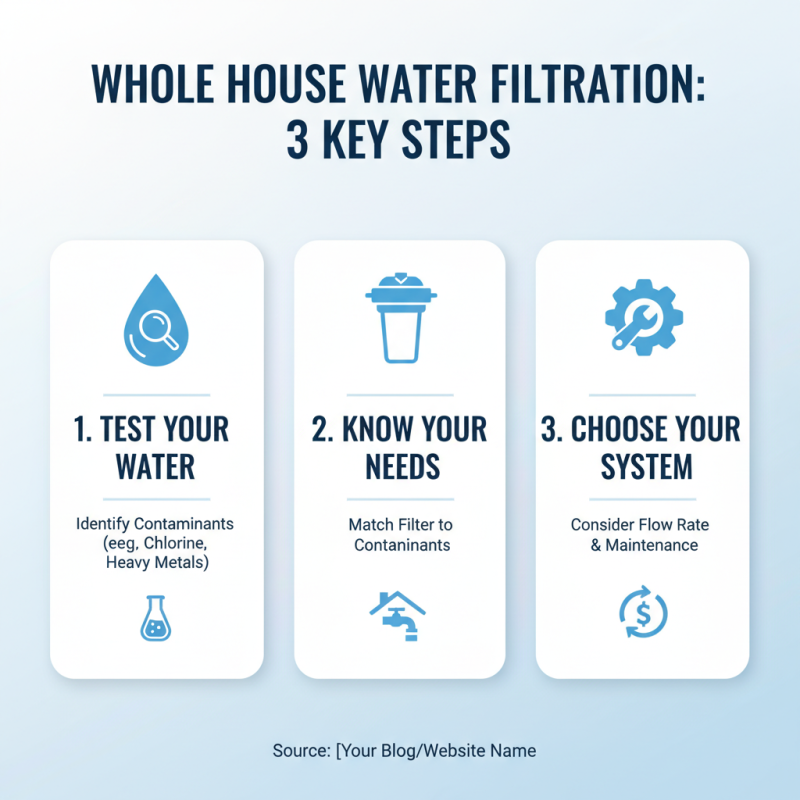
Consider what contaminants are present in your water. Heavy metals, chemicals, or microorganisms can pose risks. A whole house water filtration system can remove these impurities, ensuring your family’s safety. Additionally, think about the size and flow rate. It should fit your household’s water usage.
However, the decision isn't straightforward. Installation costs can vary, and not all systems are easy to maintain. You might need to change filters regularly. Reflect on your budget and lifestyle. It’s important to choose wisely, as the right system can greatly improve your quality of life. A poorly chosen system may lead to frustration later on.
Understanding the Importance of Whole House Water Filtration Systems
Whole house water filtration systems play a vital role in ensuring clean water for your entire home. They filter contaminants, providing safer water for drinking, cooking, and bathing. Contaminants can include chlorine, lead, and bacteria, which may affect health over time. Investing in a good filtration system helps protect your family's well-being.
Understanding your water quality is crucial. You may not know what's in your tap water. Testing your water can reveal impurities that a simple filter cannot handle. If you find high levels of specific contaminants, a whole house system could be beneficial. It's also important to consider the maintenance of such systems. Regular filter changes and system checks can be overlooked, leading to diminished performance.
While these systems offer many advantages, they might not resolve every issue. For instance, hard water can still cause mineral buildup in appliances. It’s essential to reflect on your unique water needs. Not every household requires an extensive system. Sometimes, a combination of point-of-use filters and whole house systems may work best. Prioritizing your health and home is key when making such choices.
Key Factors to Consider When Choosing a Water Filtration System
When choosing a whole house water filtration system, several factors come into play. Start with understanding the specific contaminants in your water. Testing your water can reveal whether you have issues like heavy metals or chlorine. Knowing what you’re dealing with is essential.
Tip: Look for a system with multi-stage filtration. This ensures larger particles are removed first, followed by finer filters for smaller impurities.
The system's capacity is another crucial consideration. A larger household needs a system capable of handling higher flow rates. If your system can’t keep up, your water pressure will drop. Some systems may struggle with larger appliances.
Tip: Consider ease of maintenance. Some systems require frequent filter changes. This can be time-consuming and costly. Think about how much effort you can realistically commit to upkeep.
Style matters too. Select a model that fits your home’s space. High-tech systems can be visually striking, but they may require more space than you have. Evaluate your plumbing situation to avoid surprises. You want something functional, not just appealing.
Types of Whole House Water Filtration Systems and Their Benefits
When selecting a whole house water filtration system, understanding the types available is vital. There are primarily two types: point-of-entry systems and point-of-use systems. Point-of-entry systems filter water at the source, treating it before it enters the home. This ensures that every tap delivers clean water. The National Sanitation Foundation highlights that these systems can remove up to 99% of contaminants.
In contrast, point-of-use systems focus on specific locations. These systems are often installed under sinks. They target particular contaminants, making them flexible and cost-effective. A report by the Water Quality Association suggests that these systems can be beneficial in homes where only certain areas require treatment. However, many homeowners overlook the full house option, leading to inconsistent water quality throughout their home.
It's essential to evaluate your water needs. Some families might find point-of-entry systems to be overkill. Others may need more robust filtration due to the water supply in their area. The average household could seek options that alternate between filtration types based on usage. An informed choice will lead to cleaner water and peace of mind. Yet, careful consideration and research are needed to find the right filtration setup.
Comparison of Different Types of Whole House Water Filtration Systems
This bar chart compares the filter efficiency of various types of whole house water filtration systems. Activated carbon systems are effective for removing chlorine and taste, while reverse osmosis provides higher purification levels. UV purification is highly efficient in killing bacteria, and sediment filters aid in removing larger particles. Ion exchange systems are useful for softening water. Choosing the right type depends on your specific water quality needs and preferences.
Evaluating Water Quality: Testing and Analyzing Your Home's Water Supply
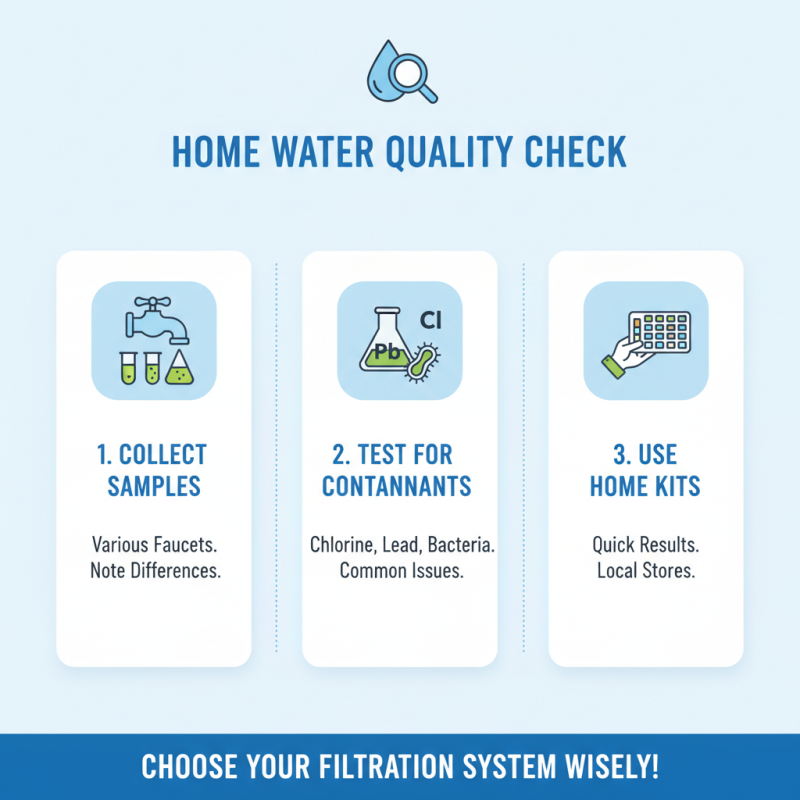
Evaluating the water quality in your home is an essential step when choosing a water filtration system. Start by collecting samples from various faucets. This way, you can see if there are differences in quality. Test for contaminants like chlorine, lead, and bacteria. You can use home testing kits available at local stores. They provide immediate results and can highlight concerning issues.
Once you have your results, analyze the data carefully. If levels of contaminants exceed safe limits, it’s time to consider a filtration system. Reach out to local water authorities if needed. It’s crucial to understand the specific needs of your household. Not all systems filter the same pollutants. You may think your water is fine, but hidden dangers might lurk. Awareness is key in creating a safer water environment for your family.
Comparing Cost and Maintenance of Different Filtration Systems
When choosing a whole house water filtration system, cost and maintenance are key factors. Different systems have varying price ranges and maintenance requirements. A reverse osmosis system may require a larger upfront investment. However, it often needs less frequent filter changes. On the other hand, sediment filters are usually cheaper but may need more regular maintenance.
You might feel overwhelmed by the options. Some systems have additional replacement costs, while others may require professional installation. Consider your household’s water usage. This will influence long-term expenses. With certain systems, you may save money initially but face high maintenance over time.
Ultimately, every choice has its pros and cons. You'll need to weigh the ongoing costs against the health benefits. Researching local water quality can help point you in the right direction. An informed decision can be the difference between satisfaction and frustration.
How to Choose the Best Whole House Water Filtration System for Your Home? - Comparing Cost and Maintenance of Different Filtration Systems
| Filtration System Type |
Initial Cost ($) |
Maintenance Cost per Year ($) |
Lifespan (Years) |
Installation Complexity |
| Activated Carbon |
300 |
100 |
5 |
Easy |
| Reverse Osmosis |
500 |
150 |
10 |
Moderate |
| Whole House UV |
600 |
200 |
8 |
Moderate |
| Cation Exchange |
400 |
120 |
7 |
Moderate |
| Multi-Stage Filtration |
700 |
250 |
15 |
Complex |