How to Choose the Best Whole House Water Filter for Your Home?
Choosing the best whole house water filter for your home is crucial. Clean water is essential for health and wellness. According to the Environmental Protection Agency (EPA), nearly 77 million Americans receive drinking water from systems that violate federal health standards. This highlights the importance of having reliable filtration systems in place.
The market for whole house water filters is growing rapidly. Research indicates that the global water filtration market is projected to reach $68.9 billion by 2024. With various options available, selecting the right system can be overwhelming. Understanding your home’s specific water quality issues is a key part of the decision-making process.
Not all filters remove the same contaminants. Some may only target chlorine, while others address lead or pesticides. Many homeowners may overlook this aspect. Investing in a whole house water filter requires careful consideration. A system that doesn’t adequately meet your needs may lead to ongoing issues. It's essential to educate yourself on different filtration technologies. Evaluating your choices can help ensure safe and clean water for your family.

Understanding the Importance of Whole House Water Filtration Systems
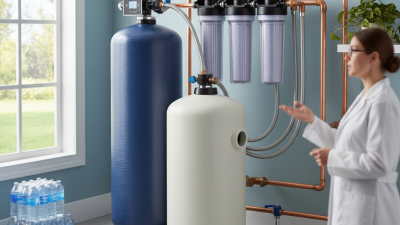
Whole house water filtration systems are crucial for maintaining clean water in your home. They filter out impurities that can affect taste, smell, and safety. With a whole house system, you ensure that every faucet delivers treated water. This convenience extends to your showers, laundry, and cooking. Contaminants like chlorine or sediment can damage your plumbing over time. Regularly filtering your water can extend the lifespan of these systems.
Choosing the right system requires consideration. Assess your water quality first. Some areas face issues with hard water, while others struggle with contaminants like lead. You might not realize the extent of these problems until it's too late. Also, installation and maintenance can be tricky. DIY installations come with risks. A poorly installed system may not work effectively. Researching options and consulting professionals can save you headaches in the long run.
Reflect on the long-term benefits. Clean water is not just a luxury; it’s essential for health and well-being.
Key Factors to Consider When Choosing a Whole House Water Filter
Choosing the right whole house water filter can feel overwhelming. There are many options available, making it tough to understand what fits best. Start by assessing your water quality. Test kits can reveal impurities in your water. Knowing what pollutants to filter out is crucial for making a good choice.
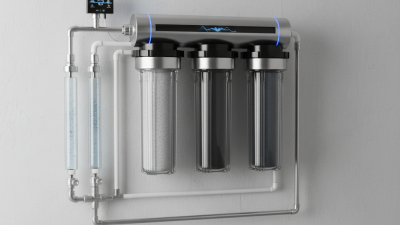
Consider the filtration capacity of the system. Some filters might not handle high flow rates well. Check the size of your home’s plumbing. A larger home may need a more robust filtration system. Look for features like sediment and carbon filters. These can catch different types of impurities.
Don’t forget about maintenance. Filters need regular replacements. Some systems might be easy to maintain, while others are not as user-friendly. Think about the costs involved. Investment in a reliable system can save money over time. Reflect on your specific needs to find a solution that works.
Types of Whole House Water Filters and Their Effectiveness
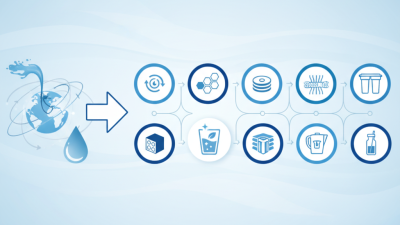
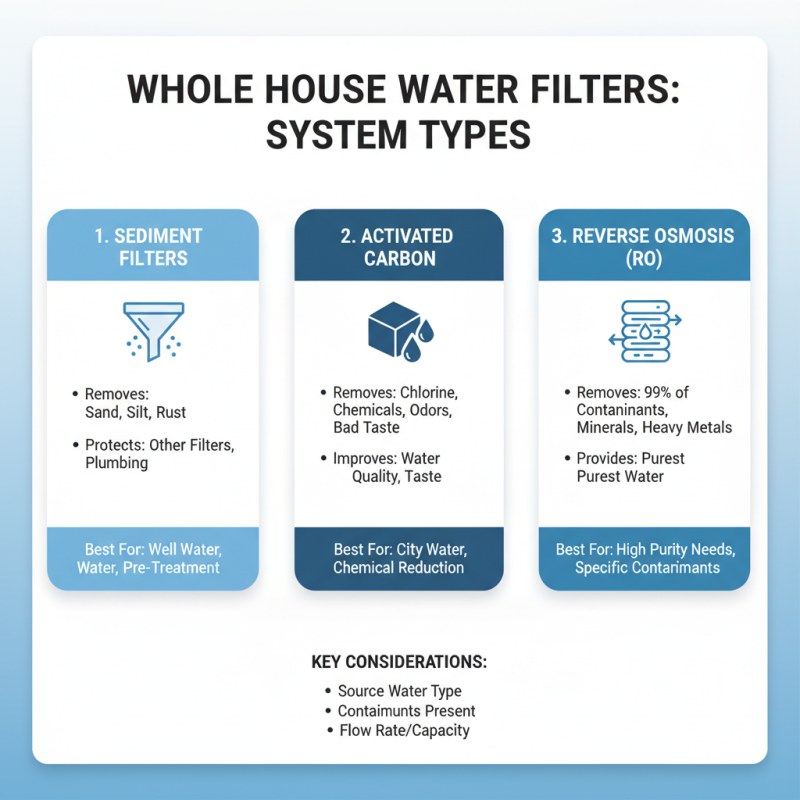
When choosing a whole house water filter, it's crucial to understand the types available. There are several different systems. Each has unique strengths and weaknesses.
Activated carbon filters excel at removing chlorine and organic compounds. They improve taste and odor. However, they may not be effective against heavy metals. Reverse osmosis systems provide thorough purification. They can eliminate a wide range of contaminants. Still, they tend to waste water and require more space.
Another option is the UV filter. It effectively kills bacteria and viruses using ultraviolet light. This method doesn’t remove chemical contaminants, though. It's important to consider your specific water quality. What works for one home may not suit another. Evaluate your needs carefully, especially after testing your water.
Evaluating Filter Performance: Flow Rate and Contaminant Reduction
When selecting a whole house water filter, evaluating filter performance is critical. Two primary metrics to consider are flow rate and contaminant reduction. The flow rate should match your household needs. For example, a typical family requires a flow rate of about 6-12 gallons per minute. If the filter can’t keep up, daily activities may become inconvenient. A study by the Water Quality Association shows a flow rate below 5 gallons per minute often leads to customer dissatisfaction.
Contaminant reduction is equally important. Reports indicate that up to 80% of U.S. homes contain some level of lead in their water. A good filter should effectively reduce these harmful levels. Make sure to check the specifications regarding reduction capabilities. Not all filters remove chlorine, heavy metals, and bacteria to the same degree. Some tests suggest that not all manufacturers report accurate reduction rates. This discrepancy can lead to poor choices that compromise health.
Always consider your specific water quality issues. Regional differences can create unique challenges. Testing your water beforehand provides a clear picture. Filters may address some contaminants but ignore others. Sometimes, even top-rated filters might have limitations. A well-informed decision needs thorough research, but even then, results may vary. A system’s performance may change over time, influencing long-term effectiveness.
Cost Analysis: Upfront Investment vs. Long-term Savings of Water Filters
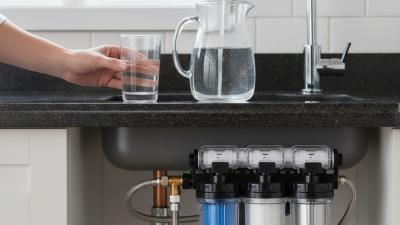
Choosing the best whole house water filter involves understanding costs. The upfront investment can be significant. However, weigh this against long-term savings. Clean water reduces plumbing issues, extends appliance lifespan, and may lower health costs. Think about what you’re spending now on bottled water or repairs. That adds up quickly.
When selecting a filter, consider your home’s water usage. Larger households may need more robust systems. Size and performance matter a lot. However, some filters may demand higher maintenance. This can lead to additional costs in the long run.
Tips: Always check maintenance requirements before buying. Calculate annual costs versus initial price. Look for persuasive evidence of long-term savings. These insights can lead you to a beneficial choice. Remember, not all filters will offer equal savings. Misleading marketing can complicate decisions. Reflect seriously on what fits your lifestyle best.
How to Choose the Best Whole House Water Filter for Your Home? - Cost Analysis: Upfront Investment vs. Long-term Savings of Water Filters
| Filter Type |
Upfront Cost ($) |
Installation Cost ($) |
Annual Maintenance Cost ($) |
Average Lifespan (Years) |
Estimated 10-Year Cost ($) |
| Carbon Filter |
800 |
300 |
100 |
5 |
1,600 |
| Reverse Osmosis |
1,200 |
400 |
150 |
10 |
3,150 |
| Whole House Systems |
2,000 |
500 |
200 |
15 |
4,500 |
| UV Filters |
1,500 |
250 |
120 |
5 |
1,850 |
| Water Softeners |
1,000 |
400 |
150 |
10 |
2,650 |